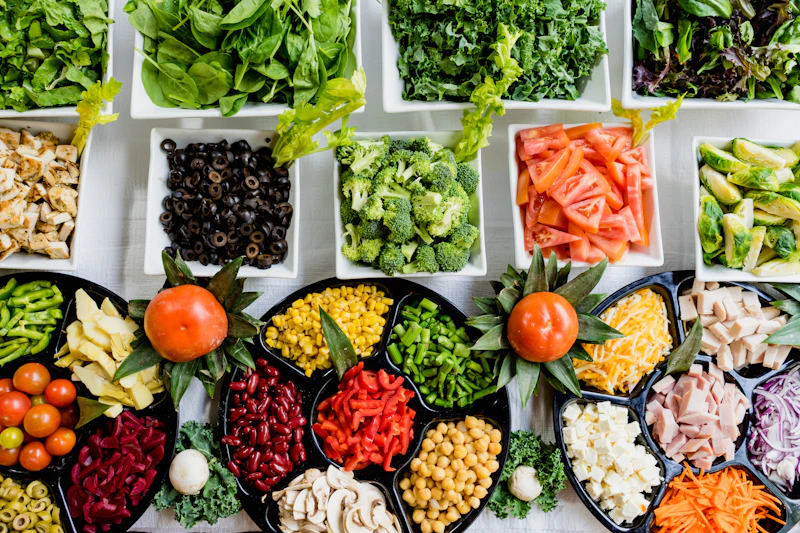
Ingredients & Nutrition Guide
Select your goal below to see personalized ingredient tips, foods to eat more of, and foods to limit.

 Weight Gain
 Weight Loss
 General Health
Gaining weight in a healthy way means eating more calories than your body burns, but from nutrient-dense foods that build muscle and support overall health not just empty calories.
Tips for Healthy Weight Gain
- Eat more frequently Add 2–3 extra small meals or snacks between your main meals instead of forcing larger portions all at once.
- Prioritize protein at every meal Protein helps build lean muscle instead of just adding fat, especially when combined with strength training.
- Add healthy fats to meals A spoon of peanut butter, olive oil, or nuts adds calories quickly without making you feel overly full.
- Don't fill up on water before meals Drink most of your water between meals rather than right before eating, so you can eat larger portions comfortably.
- Track your progress weekly Aim for a gradual weight gain of about 0.25–0.5 kg per week rather than trying to gain too fast.
- Pair extra calories with light strength training This helps ensure the weight gained is more muscle and less excess fat.
Sample Daily Diet Plan
Here's an example of how a full day of eating could look for this goal. Adjust portion sizes based on your personal calorie target from our Calorie Calculator.
A glass of whole milk with a handful of soaked almonds and 2 dates.
3 whole eggs (scrambled or boiled) with 2 slices of whole wheat toast, a spoon of peanut butter, and a banana.
A protein shake or smoothie made with milk, banana, oats, and a spoon of peanut butter.
A generous portion of grilled chicken or fish, a cup of brown rice, mixed vegetables cooked in olive oil, and a side of yogurt.
A handful of mixed nuts and dry fruits (almonds, cashews, raisins) with a cup of whole milk or a fruit smoothie.
Lentils (daal) or beans, 2 whole wheat rotis, a portion of paneer or chicken, and a side salad with olive oil dressing.
A glass of warm milk, optionally with a spoon of honey.
This plan is designed to provide a calorie surplus with high-quality protein to support healthy muscle gain. Combine with light strength training for best results. Adjust total portions based on your personal calorie target.
Healthy Ingredients to Include

Peanut Butter
Calorie-dense and rich in healthy fats and protein, easy to add to smoothies or toast.

Whole Milk
A simple way to add extra calories, protein, and calcium throughout the day.

Eggs
High-quality protein and healthy fats that support muscle growth.

Bananas
Easy-to-digest carbs and natural sugars for quick, healthy energy.

Chicken & Fish
Lean protein sources that support muscle building without excess unhealthy fat.

Brown Rice & Oats
Complex carbohydrates that provide sustained energy for daily activity and workouts.

Avocado
Rich in healthy monounsaturated fats and calories in a nutrient-dense package.
Foods to Limit

Sugary Sodas & Energy Drinks
Add empty calories with no real nutritional value and can crowd out healthier food choices.

Deep-Fried Fast Food
High in unhealthy trans/saturated fats that add weight without supporting muscle or health.

Excess Refined Sugar
Candy and sweets add quick calories but often lead to energy crashes and poor nutrition.

Instant Noodles (as a staple)
Convenient but low in protein and micronutrients if relied on too heavily.

Alcohol
Adds empty calories and can interfere with muscle recovery and hormone balance.

Highly Processed Snacks
Chips and packaged snacks add calories without meaningful protein, fiber, or vitamins.
Losing weight in a sustainable way means creating a moderate calorie deficit while still getting enough protein, fiber, and nutrients to feel satisfied and energized.
Tips for Healthy Weight Loss
- Prioritize protein and fiber Both help you feel fuller for longer, making it easier to stick to a calorie deficit without constant hunger.
- Watch portion sizes, not just food choices Even healthy foods can stall weight loss if portions are too large; use our Food Calories Calculator to check real serving sizes.
- Cut back on liquid calories first Sugary drinks, juices, and creamy coffees are one of the easiest places to reduce calories without feeling deprived.
- Don't skip meals to "save" calories This often backfires with overeating later; spread your calories across balanced meals instead.
- Choose whole foods over processed ones Whole foods are generally more filling per calorie than heavily processed alternatives.
- Be patient with the scale Aim for a realistic pace of 0.25–1 kg per week rather than extreme, unsustainable restriction.
Sample Daily Diet Plan
Here's an example of how a full day of eating could look for this goal. Adjust portion sizes based on your personal calorie target from our Calorie Calculator.
A glass of warm water with lemon, or plain green tea.
2 boiled eggs or a bowl of oats made with water/skim milk, topped with a few berries.
A small apple or a handful (about 15g) of almonds.
Grilled chicken breast or fish (150-200g) with a large portion of mixed vegetables or a salad, and a small portion (half cup) of brown rice or quinoa.
A cup of plain Greek yogurt or a small bowl of cucumber and carrot sticks with hummus.
A vegetable and lentil soup or grilled fish/chicken with a large side salad, dressed lightly with olive oil and lemon (avoid creamy dressings).
Herbal tea (no sugar) if needed.
This plan is designed to create a moderate calorie deficit while keeping you full through protein and fiber-rich foods. Adjust portion sizes based on your personal calorie target, and avoid going below the safe minimum calorie levels shown in our Calorie Calculator results.
Healthy Ingredients to Include

Leafy Greens (Spinach, Kale)
Very low in calories but high in fiber, vitamins, and minerals great for filling meals without excess calories.

Grilled Chicken Breast
Lean, high-protein option that supports fullness while keeping calories controlled.

Greek Yogurt
High in protein with fewer calories than many snack alternatives, great for curbing hunger.

Eggs
Highly filling protein source that works well for any meal of the day.

Oats
High in fiber, keeps you full for hours, and works as a versatile base for healthy breakfasts.

Berries
Naturally sweet, lower in sugar than many fruits, and rich in fiber and antioxidants.

Legumes (Lentils, Chickpeas)
High in protein and fiber, very filling for relatively few calories.
Foods to Limit

Sugary Drinks & Juices
Easy to overconsume calories quickly without feeling full or satisfied.

Fried Foods
High in calories from added oil, often without adding much fullness relative to the calories.

White Bread & Refined Carbs
Digest quickly and can leave you hungry again sooner than whole-grain alternatives.

Creamy Sauces & Dressings
Often much higher in hidden calories than the meal itself.

Packaged Snacks & Chips
Easy to overeat due to low fiber/protein content relative to calories.

Alcohol
Adds significant empty calories and can lower inhibitions around other food choices.
Eating for general health means focusing on balance and variety enough energy to maintain your weight, while covering your body's needs for vitamins, minerals, and fiber.
Tips for Balanced, Healthy Eating
- Aim for balance on your plate Include a source of protein, a complex carbohydrate, healthy fats, and vegetables at most meals.
- Eat a variety of colors Different colored fruits and vegetables provide different vitamins and antioxidants your body needs.
- Stay consistently hydrated Water supports digestion, energy levels, and overall bodily function throughout the day.
- Limit ultra-processed foods Focus most meals around whole, minimally processed ingredients rather than packaged convenience foods.
- Practice portion awareness, not restriction General health doesn't require strict dieting, just mindful, balanced eating most of the time.
- Allow flexibility Occasional treats fit into a healthy diet; consistency over time matters more than perfection in any single meal.
Healthy Ingredients to Include

Mixed Vegetables
A wide range of vitamins, minerals, and fiber that support overall health and digestion.
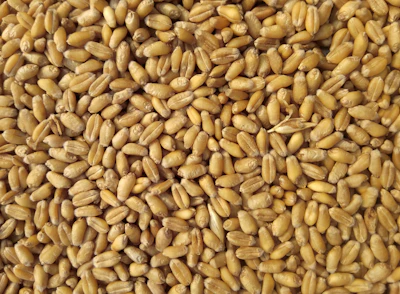
Whole Grains (Brown Rice, Quinoa, Oats)
Provide sustained energy along with fiber and important B-vitamins.

Lean Proteins (Chicken, Fish, Legumes)
Support muscle maintenance, immune function, and overall body repair.

Fresh Fruits
Natural vitamins, fiber, and antioxidants that support long-term health.

Olive Oil
A heart-healthy fat that supports nutrient absorption when used in moderation.

Dairy or Fortified Alternatives
A good source of calcium and vitamin D for bone health.

Herbs & Spices
Add flavor and antioxidants without extra calories, sugar, or sodium.
Foods to Limit

Excess Added Sugar
Linked to long-term health risks when consumed regularly in large amounts.

Highly Processed Meats
Often high in sodium and preservatives; best enjoyed occasionally rather than daily.

Trans Fats & Heavily Fried Foods
Linked to poor long-term heart health when eaten frequently.

Sugary Beverages
A major source of added sugar that provides little nutritional value.

Ultra-Processed Snacks
Often low in fiber and nutrients relative to their calorie content.
Understanding Healthy vs. Unhealthy Ingredients
Not all calories are created equal. Two foods can have the exact same calorie count but very different effects on your body — one might be packed with fiber, protein, and micronutrients, while the other offers little beyond sugar or unhealthy fat. Learning to recognize the difference is one of the most useful nutrition skills you can build, regardless of your specific goal.
A simple rule of thumb: the less processed an ingredient is, and the more of its natural fiber, protein, and nutrients remain intact, the more likely it supports your health rather than working against it. Use our Food Calories Calculator to check the full nutrition profile including minerals and vitamins of any specific ingredient you're curious about.