
Losing weight isn’t just about controlling your diet — the right workout is just as important. When you exercise consistently, your metabolism speeds up, fat burns more efficiently, and your muscle tone improves too. In this blog, we’ll walk you through the most effective workouts for weight loss, plus a detailed set of tips to help you get better results.
Remember — no single workout is a “magic solution.” For the best results, you need a combination of consistency, the right diet, and proper rest. Let’s get started.
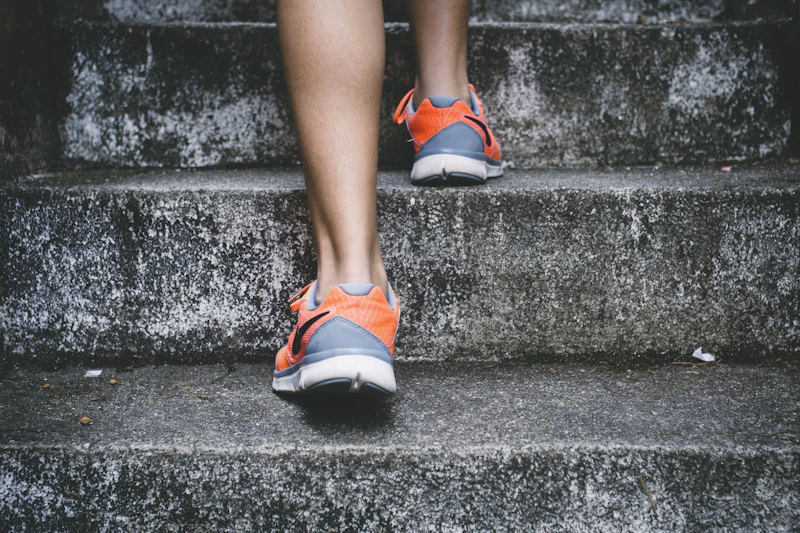
1. Brisk Walking
If you’re a beginner or have weak joints, brisk walking is one of the safest and most effective workouts. It requires no equipment and can be done anywhere — in a park, around your neighborhood, or on a treadmill.
Benefits
- Low impact, so it puts no strain on your joints
- Burns calories with just 30-45 minutes a day
- Improves heart health
- Reduces stress
How to do it
Walk briskly for 30-45 minutes every morning or evening. Your pace should be fast enough that you feel slightly out of breath, but you should still be able to hold a conversation.

2. HIIT (High Intensity Interval Training)
HIIT is best for people who are short on time but want fast results. It involves short bursts of intense exercise followed by brief rest periods, repeated in cycles.
Benefits
- Burns more calories in less time
- Keeps burning calories for hours after the workout ends (the afterburn effect)
- Helps you lose fat while maintaining muscle
Sample HIIT routine (20 minutes)
30 seconds jumping jacks
30 seconds rest
30 seconds squats
30 seconds rest
30 seconds mountain climbers
30 seconds rest
Repeat this cycle 4-5 times.

3. Jump Rope
This simple childhood exercise is a powerful tool for weight loss. All you need is a rope, and you can do it anywhere.
Benefits
- Burns a huge number of calories in a single session
- A full-body workout — engages your legs, arms, and core
- Improves coordination and stamina
- Cheap and portable equipment
How to do it
Start with 1 minute of jumping rope, take a 30-second rest, and repeat this cycle for 10-15 minutes. Gradually increase the duration over time.

4. Cycling
Cycling is a fun, low-impact workout you can do outdoors or on a stationary bike at the gym. It’s especially good for people who don’t enjoy running or have weak knees.
Benefits
- Builds lower body strength and endurance
- Improves cardiovascular fitness
- Can be enjoyed for long durations
- Puts less stress on the joints
How to do it
Cycle for 30-45 minutes, 4-5 days a week. If outdoor cycling isn’t possible, a stationary bike at the gym is a great alternative.

5. Swimming
Swimming is considered a full-body workout because it engages almost every muscle group. It’s perfect for people with joint or back issues, since the water supports your body weight.
Benefits
- Zero impact on the joints
- Tones the entire body — arms, legs, core, and back
- Burns a large number of calories
- Improves lung and heart health
How to do it
Swim for 30-40 minutes, 3-4 times a week. Try different strokes (freestyle, breaststroke) to engage different muscle groups.
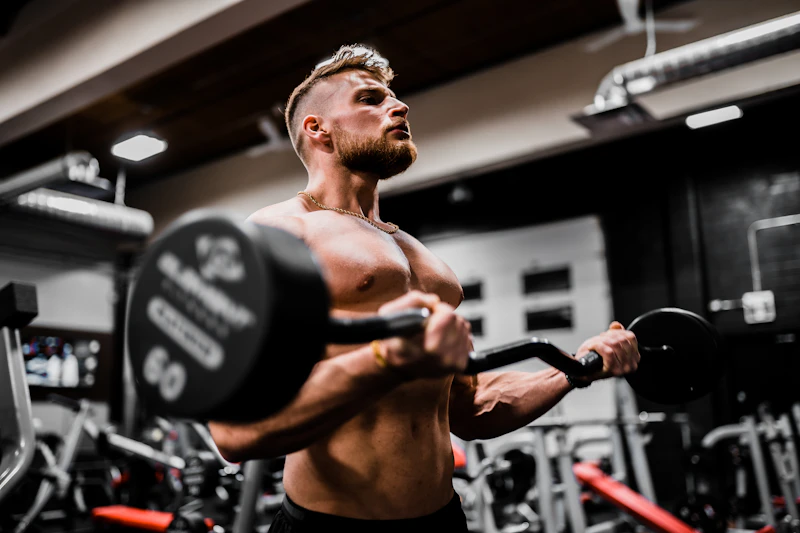
6. Strength Training (Weight Lifting)
Many people think weight lifting is only for building muscle, but it’s equally important for weight loss. The more muscle mass you have, the higher your resting metabolism — meaning you burn more calories even while sleeping.
Benefits
- Boosts metabolism long-term
- Improves body shape along with fat loss
- Increases bone density
- Leads to more sustainable weight loss than cardio alone
How to do it
Do strength training 3 days a week — include squats, deadlifts, push-ups, and dumbbell exercises. Beginners should start with lighter weights and focus on proper form.

Bonus Tips for Faster and Smarter Weight Loss
1. Don’t Ignore Your Diet
Exercise alone can’t fix a poor diet — you can easily out-eat any workout. Focus on a balanced, protein-rich diet with plenty of vegetables and whole foods. Protein is especially important because it keeps you full longer and helps preserve muscle while you lose fat.
2. Drink More Water
Water plays a direct role in metabolism, digestion, and energy levels. Even mild dehydration can make you feel tired and reduce workout performance. Try to drink water throughout the day, not just when you feel thirsty, and especially before and after exercise.
3. Get Enough Sleep
Sleep is when your body actually recovers and repairs itself. Poor sleep raises cortisol (a stress hormone) and increases hunger hormones like ghrelin, which can lead to overeating. Aim for 7-8 hours of quality sleep every night for both fat loss and muscle recovery.
4. Stay Consistent
Fat loss happens gradually, through repeated effort over weeks and months — not from one intense session. Working out 4-5 times a week consistently will always beat occasional extreme workouts followed by long breaks. Consistency builds momentum and turns exercise into a lifestyle rather than a temporary effort.
5. Track Your Progress Properly
The weighing scale doesn’t tell the whole story — water retention, muscle gain, and hormonal changes can all affect the number you see. Instead, track body measurements (waist, hips, arms), progress photos, and how your clothes fit. These give a much clearer picture of real fat loss.

6. Warm Up and Cool Down
Skipping a warm-up increases your risk of injury because your muscles aren’t prepared for sudden effort. Spend 5-10 minutes doing light movement or dynamic stretches before your workout, and static stretching afterward to improve flexibility and speed up recovery.
7. Mix Cardio and Strength Training
Cardio burns calories during the workout, while strength training builds muscle that keeps burning calories even at rest. Combining both gives you the best of both worlds — faster fat loss and a more toned, defined body, rather than just “losing weight” and looking flat or weak.
8. Set Realistic Goals
Losing weight too fast often means losing muscle and water rather than fat, and it’s rarely sustainable long-term. A safe, realistic target is 0.5-1 kg per week. This pace keeps your metabolism stable and makes it much more likely that the weight stays off permanently.
Want to set a realistic calorie target for your 0.5-1 kg/week goal? Our Calorie Calculator can calculate this for you in seconds.
9. Avoid Overtraining
More exercise isn’t always better. Without proper rest, your muscles don’t get time to repair, which can lead to fatigue, poor performance, and even injury — all of which slow down your progress. Give your body at least 1-2 rest days per week, especially after intense strength or HIIT sessions.
10. Find a Workout You Actually Enjoy
The “best” workout is the one you’ll actually stick to. If you hate running, force yourself to do it every day, you’re likely to quit within a few weeks. Try different activities — dancing, swimming, cycling, sports — until you find something that feels less like a chore and more like something you look forward to.
11. Use Progressive Overload
Your body adapts quickly to the same routine, which is why progress often slows down over time — this is called a plateau. To keep improving, gradually increase the difficulty of your workouts by adding more weight, more reps, more sets, or reducing rest time between exercises.
12. Work Out at the Same Time Daily
Habits form more easily when they’re tied to a fixed time and routine. Working out at the same time each day — whether it’s early morning or evening — reduces the mental effort of “deciding” to exercise and makes it a natural part of your day rather than something you have to force.

Which Workout Is Best for You?
If you’re short on time, HIIT or jump rope will work best. If you struggle with joint issues, swimming or cycling are better options. Beginners can start with brisk walking and gradually increase intensity. And for long-term, sustainable fat loss, make sure strength training is part of your routine.

Conclusion
The weight loss journey can feel challenging, but if you combine the right workout, consistent effort, and a healthy diet, results will follow. Every workout has its own benefits — the key is to choose the one that fits your body type, fitness level, and schedule, and turn it into a routine. Remember, weight loss is a marathon, not a sprint — patience and consistency are the real keys to success.
Start Your Weight Loss Journey Today
Pair your workouts with the right nutrition plan — know your numbers first.
Explore VitaClac Tools & Guides
Discover more free calculators and evidence-based guides to support your health goals.