High Protein Low Calorie Food For Weight Loss
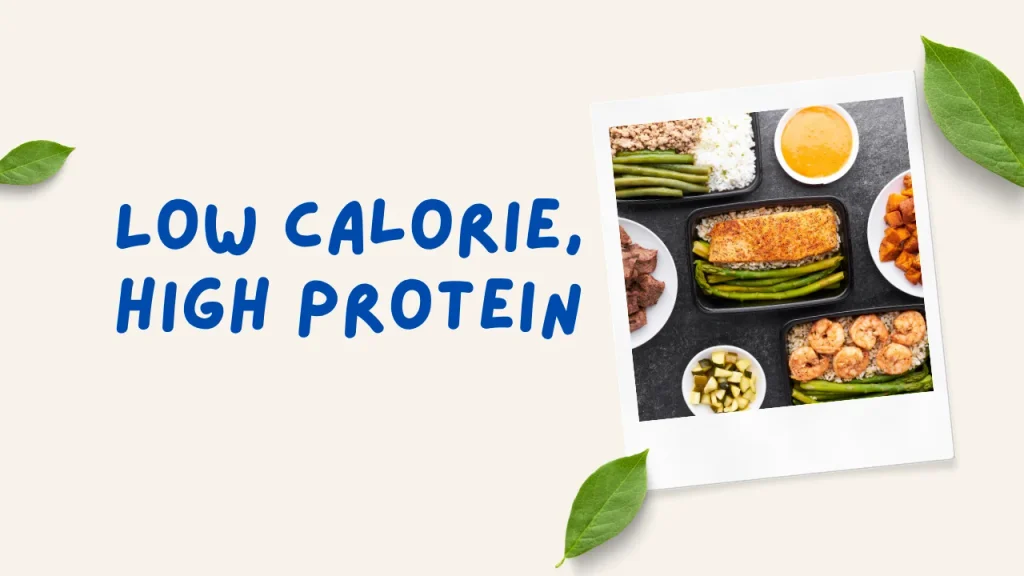
Looking for the best high protein low calorie foods? The top picks give you up to 22 grams of protein per 100 calories, so you stay full on fewer calories while losing weight. Below is a ranked list, with calories and protein for each food.
Protein and Calories at a Glance
Here is a quick comparison of the foods covered below. All values are approximate and based on common serving sizes, so treat them as a guide and check the label of the product you buy.
| Food | Serving | Protein | Calories | Protein per 100 calories |
|---|---|---|---|---|
| Chicken breast, cooked, skinless | 3 oz (85 g) | about 26 g | about 140 | about 19 g |
| Turkey breast, cooked, skinless | 3 oz (85 g) | about 26 g | about 125 | about 21 g |
| Egg whites | 100 g | about 11 g | about 52 | about 21 g |
| Whole egg | 1 large | about 6 g | about 70 | about 8 g |
| Plain nonfat Greek yogurt | 6 oz (170 g) | about 17 g | about 100 | about 17 g |
| Cottage cheese | ½ cup | nearly 12 g | under 100 | about 13 g |
| Canned tuna in water | 3 oz (85 g) | about 20 g | about 90-100 | about 21 g |
| White fish or shrimp, raw | 100 g | about 16-20 g | about 70-90 | about 22 g |
| Salmon, cooked | 3 oz (85 g) | about 21 g | about 175 | about 12 g |
| 90% lean ground beef, raw | 4 oz (113 g) | about 23 g | about 200 | about 12 g |
| Lentils, cooked | ½ cup | about 9 g | about 115 | about 8 g |
| Edamame, cooked | 100 g | about 11 g | about 120 | about 9 g |
| Firm tofu | 100 g | about 8-13 g | about 80-120 | about 10 g |
| Quinoa, cooked | 100 g | about 4 g | about 120 | about 3 g |
Why Protein Matters More Than People Think
When you cut calories, your body doesn’t pull fuel from fat alone. Left unmanaged, a calorie deficit eats into muscle too, and protein is what slows that down.
Protein also costs your body more energy to digest than carbs or fat, a effect called the thermic effect of food. And it affects hunger hormones more strongly than carbs or fat, which is why a protein-heavy breakfast carries you further than a bowl of cereal. Slightly higher energy burn plus fewer cravings is what makes it so useful for weight loss.
How Much Protein You Actually Need
Older guidelines suggested something close to 0.8 grams of protein per kilogram of body weight a day. That number was built to prevent deficiency in the general population, not to help someone hold onto muscle while losing fat. Newer research on people actively dieting points toward something closer to 1.2 to 2 grams per kilogram, depending on activity level and how aggressive the calorie deficit is.
If math per kilogram feels tedious, try a simpler target: roughly 20 to 30 grams of protein at each meal instead of saving it all for dinner. Spreading intake across the day seems to matter almost as much as the total amount. Your body can only put so much protein toward muscle repair in one sitting.
Chicken and Turkey
Chicken breast earns its reputation honestly. A 3 ounce (85 g) skinless serving gives you around 26 grams of protein for about 140 calories. It’s a complete protein, meaning it carries all nine essential amino acids your body can’t make on its own. It also takes on almost any flavor, so it survives a week of meal prep without getting boring.
Turkey breast is very close to chicken nutritionally. A 3 ounce serving delivers close to 26 grams of protein for roughly 125 calories. Lean ground turkey works well anywhere you’d use ground beef, like chili, tacos, and meatballs, but its calories vary with the fat percentage, so check the label.
Eggs and Egg Whites
Eggs deserve more credit than they usually get. One large egg has about 6 grams of protein and around 70 calories. The combination of protein and fat helps keep blood sugar steady, and steadier blood sugar means fewer of the crashes that trigger cravings later in the day.
Want the protein without the extra fat? Egg whites carry roughly 11 grams per 100 grams at only about 52 calories. A plate of scrambled egg whites, or a whole egg mixed with a few extra whites, raises the protein count of breakfast without piling on calories.
Greek Yogurt and Cottage Cheese
Greek yogurt gets its protein boost from straining out the liquid whey, which concentrates what’s left behind. A typical 6 ounce (170 g) serving of plain nonfat yogurt has around 17 grams of protein for about 100 calories. Stick to plain, unsweetened versions where possible, since flavored yogurts can carry a lot of added sugar.
Cottage cheese is one of the most underrated items on this list. A half cup of low-fat cottage cheese comes in under 100 calories yet carries nearly 12 grams of protein. Most of that protein is casein, which digests slowly and may help keep you full longer. It isn’t just a breakfast food. Stir it into scrambled eggs, use it as a dip base, or spoon it over a baked potato.
Tuna and Other Fish
Canned tuna is about as convenient as protein gets. A 3 ounce (85 g) serving packed in water has around 20 grams of protein and roughly 90 to 100 calories, and it needs no cooking at all. Choosing water-packed over oil-packed keeps the calorie count lower without giving up protein or micronutrients.
White fish like cod or halibut, along with shrimp, are worth adding to the rotation too. They generally offer around 16 to 20 grams of protein for roughly 70 to 90 calories per 100 grams of raw weight, adding volume and staying power to a meal without adding much to the calorie total.
Salmon and Lean Beef
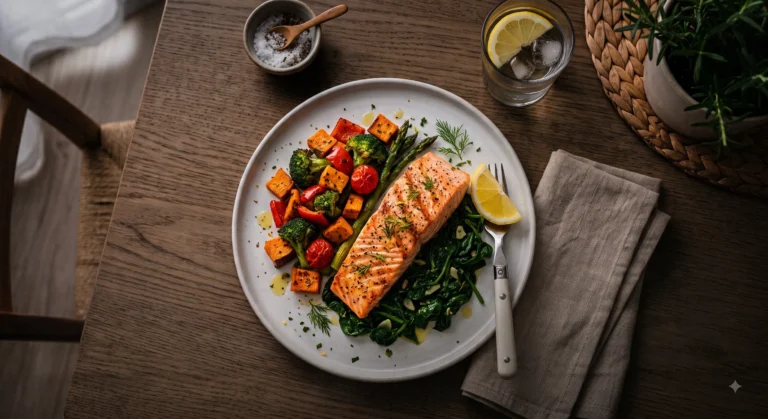
Salmon runs higher in calories than the leaner options on this list, around 21 grams of protein and closer to 175 calories per 3 ounce (85 g) cooked serving. For most people the trade-off is worth it. The omega-3 fatty acids in salmon support heart and brain health in a way leaner white fish simply doesn’t, and canned salmon offers a budget-friendly way to get that benefit without cooking a fillet from scratch.
Lean beef, particularly 90 percent lean ground beef or cuts like sirloin and tenderloin, delivers around 23 grams of protein and about 200 calories per 4 ounces (113 g) of raw meat, along with iron and B12. Red meat gets a bad reputation in a lot of weight loss conversations. The leaner cuts fit into a calorie-controlled diet just fine.
Lentils, Chickpeas, and Other Legumes
Not everyone eats meat, and plant proteins can work well in a weight loss diet. The details just matter a bit more. Lentils, chickpeas, black beans, and similar legumes are low in one essential amino acid, which is why they are called incomplete proteins. Pairing them with grains over the course of a day closes the gap without much effort.
Lentils bring close to 9 grams of protein and about 115 calories per half cup cooked. They are also high in fiber and have a low glycemic index, so they keep you full and release glucose slowly instead of spiking blood sugar. Chickpeas are a bit lower in protein and higher in calories, but work well roasted for a crunchy snack or blended into hummus.
Tofu, Edamame, and Quinoa
Tofu and edamame stand out among plant proteins because soy is actually a complete protein, carrying all nine essential amino acids in one food. Firm tofu delivers roughly 8 to 13 grams per 100 grams, depending on the type. Edamame has about 11 grams per 100 grams cooked. It works well steamed and lightly salted as a snack, or tossed into a grain bowl for extra texture.
Quinoa is another complete protein, though a smaller source at around 4 grams per 100 grams cooked. As a base for grain bowls, or a warm breakfast porridge, it offers more texture than rice or oats give you on their own.
Building the Habit Without Overthinking It
Tracking every gram isn’t necessary. Start with one rule: a protein source at every meal and snack. Eggs at breakfast. Chicken or tuna in a lunch salad. Cottage cheese with fruit in the afternoon. Swapping a bagel or sugary cereal for something protein-forward in the morning is an easy first change.
Keeping a few portable options on hand helps on busy days too. Hard-boiled eggs, a tuna packet, or a container of Greek yogurt in the fridge make it easier to skip something less filling when hunger hits.
Your protein target also depends on your calorie target. Our Calorie Calculator gives you a daily calorie goal along with suggested protein, carbs, and fat, and our Food Calories Calculator lets you check the numbers for the foods you actually eat.
Things to Keep in Mind
Building a diet almost entirely around protein can crowd out fiber and other nutrients your body needs, so variety still matters. Protein calories also count toward your daily total, and eating far more than you need won’t speed up fat loss. If you have kidney disease, talk to a doctor before significantly increasing your protein intake. Healthy kidneys generally handle higher protein without issue.
Perfection isn’t the goal. Building a handful of meals around chicken, eggs, yogurt, fish, or legumes makes a big difference. What matters is showing up consistently, not nailing every single plate.
Disclaimer: This article is for general information only and is not medical advice. Calorie and protein values are approximate and vary by brand, cut, and cooking method, so check the product label when you can. Talk to a doctor or registered dietitian before making big changes to your diet, especially if you have kidney disease or another health condition, are pregnant or breastfeeding, or are planning meals for a child.
Sources
- USDA FoodData Central (nutrition values for common foods)
- Dietary Guidelines for Americans (protein recommendations for adults)
- International Society of Sports Nutrition, position stand on protein and exercise (2017)
Frequently Asked Questions
Common questions about high-protein diets .
Calculate Your Calorie Needs
Knowing your daily calorie and protein targets is the foundation of any high-protein plan. Use our free calculators to find your numbers and look up the calorie content of individual foods.
Was This Article Helpful?
Your feedback helps us improve our content. This form is not connected to customer support — for questions, please visit our Contact Us page.



One Comment