35+ Low Calorie Foods for Weight Loss
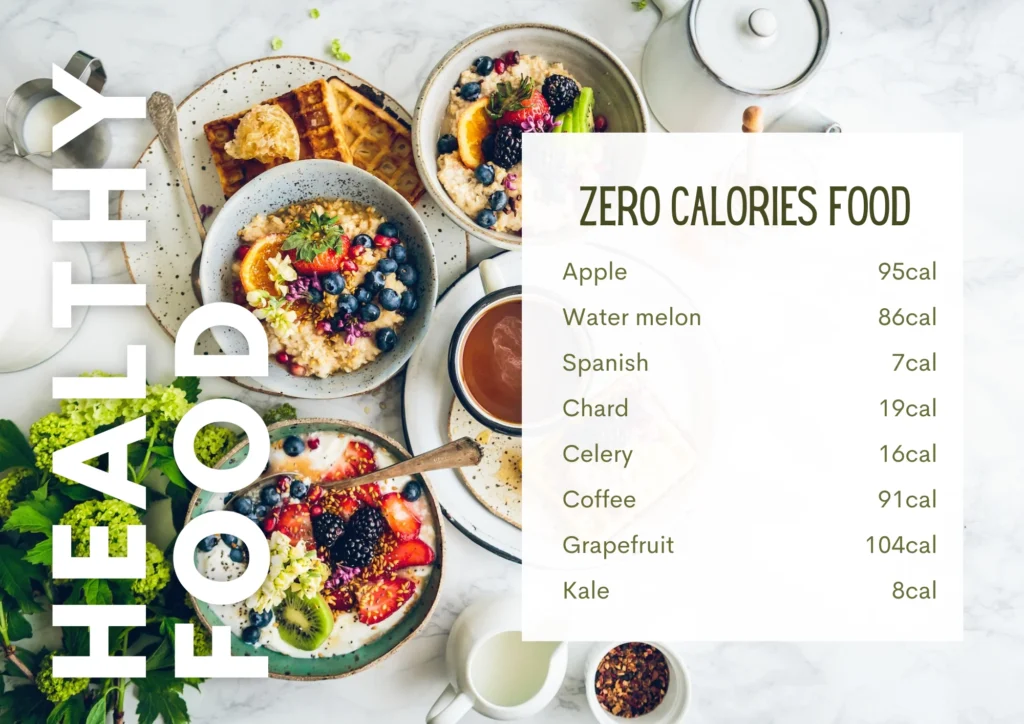
Trying to lose weight without feeling hungry all the time? The secret often lies in choosing the right foods. These are foods that fill you up without piling on the calories.
In this guide, we’ve rounded up 35+ low calorie foods. This includes crunchy vegetables, juicy fruits, and satisfying drinks. You can use these to build meals that support your weight-loss goals.
We’ll also cover how these foods fit into intermittent fasting. Plus, we’ll bust common myths around “negative calorie” foods, and share practical tips for your daily diet.
1. What Are Low Calorie & Zero Calorie Foods?
Low calorie foods provide a small number of calories relative to their volume or weight. They still offer valuable nutrients like fiber, vitamins, and antioxidants.
Most fruits, vegetables, and lean proteins fall into this category. Zero calorie foods are items so low in calories that they barely register. The body burns roughly the same energy digesting them as they provide. Truly “zero calorie” foods are rare in a strict scientific sense.
Difference Between Low-Calorie and Zero-Calorie Foods
The main distinction lies in calorie density. Low-calorie foods, such as apples or broccoli, contain a modest number of calories per serving.
Zero-calorie foods, like celery or cucumber, contain minimal energy. They’re often marketed as having no meaningful caloric impact. Both categories are useful for weight management. But neither should replace a balanced diet.
How Calorie Content Affects Weight Loss
Weight loss depends on maintaining a calorie deficit. This means consuming fewer calories than your body burns. Low calorie foods help create this deficit naturally. They allow you to eat satisfying portion sizes without exceeding your daily calorie goals. Foods high in water and fiber also promote fullness. This reduces the temptation to overeat.
2. Low Calorie Fruits List
Moreover, fruits are naturally low in calories and packed with vitamins, antioxidants, and fiber. This makes them an excellent addition to any weight-loss plan.
Apples
Apples pack around 52 calories into every 100 grams. They’re rich in fiber and water, helping you feel full longer. A medium apple contains roughly 95 calories, making it an ideal snack between meals.
Watermelon
A 100-gram serving of watermelon comes in at just 30 calories. It’s also over 90% water, making it one of the most hydrating low-calorie fruits available. It’s a good source of vitamin C and lycopene too.
Strawberries & Raspberries
Strawberries sit at roughly 32 calories per 100 grams. Raspberries run slightly higher, at around 52 calories for the same portion. Both are low in sugar compared to other fruits. They’re also high in antioxidants, supporting weight management and overall health.
Papaya
Every 100 grams of papaya delivers close to 43 calories. It’s rich in digestive enzymes like papain. This enzyme may aid digestion while providing a naturally sweet, low calorie option.
Grapefruit
Grapefruit clocks in at around 42 calories per 100-gram serving. It has long been associated with weight-loss diets due to its low calorie count. Its high water content can also help increase satiety before meals.
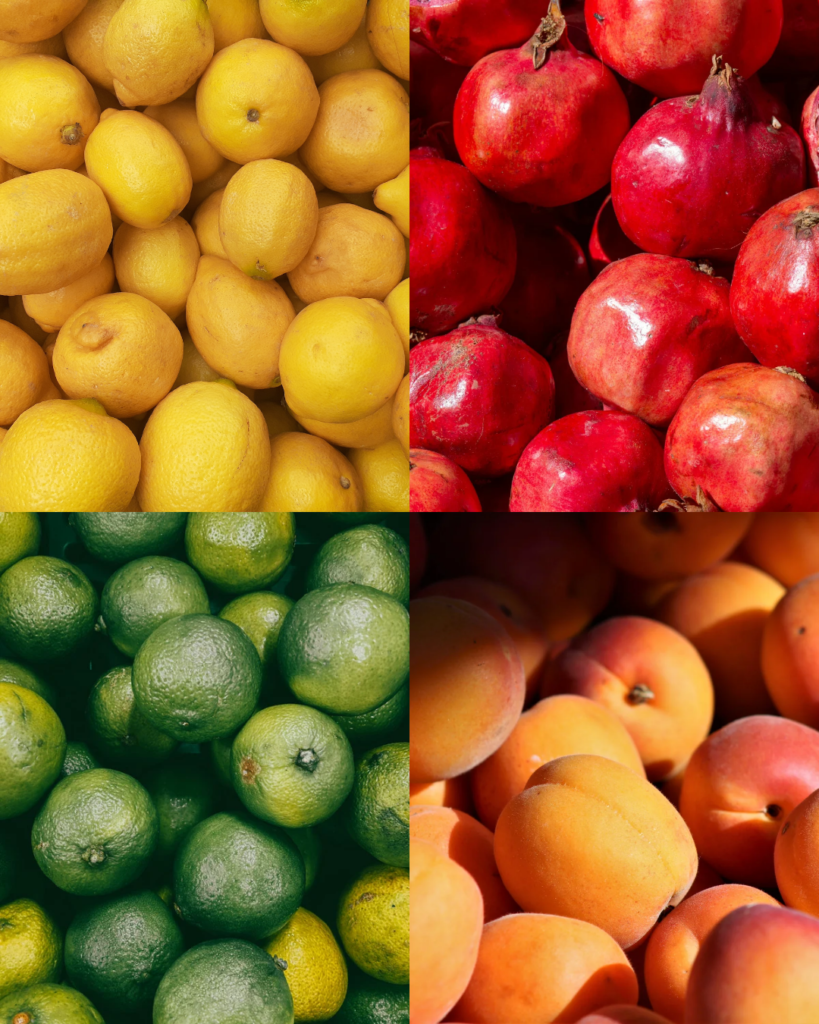
Citrus Fruits (Clementines, Lemons, Limes)
A 100-gram portion of clementine holds about 47 calories. Lemons and limes are lighter still, sitting near 29-30 calories for the same amount. These citrus fruits are low in calories and high in vitamin C. Lemons and limes are often used to flavor water or dishes without adding significant calories.
3. Low Calorie Leafy Green Vegetables
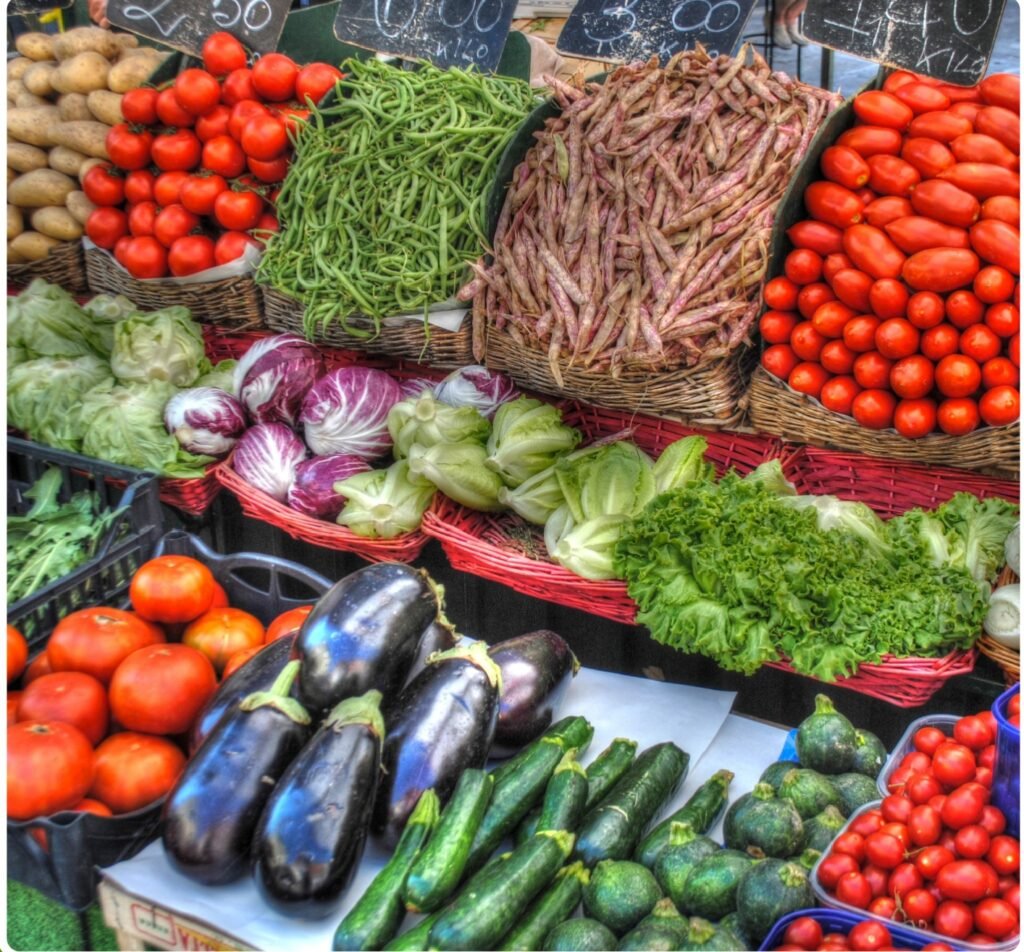
Leafy greens are among the most nutrient-dense, low-calorie foods you can eat. They’re a staple in any healthy diet.
Spinach
You’d need to eat 100 grams of spinach to take in just 23 calories. This makes it extremely low in calories while being rich in iron, folate, and vitamin K. It can be eaten raw in salads or cooked into various dishes.
Kale
A 100-gram portion of kale carries around 35 calories. It’s a nutritional powerhouse, offering fiber, antioxidants, and vitamins A, C, and K. All this comes for very few calories per serving.
Chard
Chard comes in at approximately 19 calories per 100 grams. It’s another leafy green low in calories but high in magnesium and potassium. This supports heart health alongside weight management goals.
Arugula & Watercress
Arugula provides around 25 calories per 100-gram serving. Watercress is even lighter, at just 11 calories for the same amount. These peppery greens add flavor to salads and sandwiches without adding many calories. They also provide a good dose of vitamins A and K.
4. Low Calorie Root & Cruciferous Vegetables
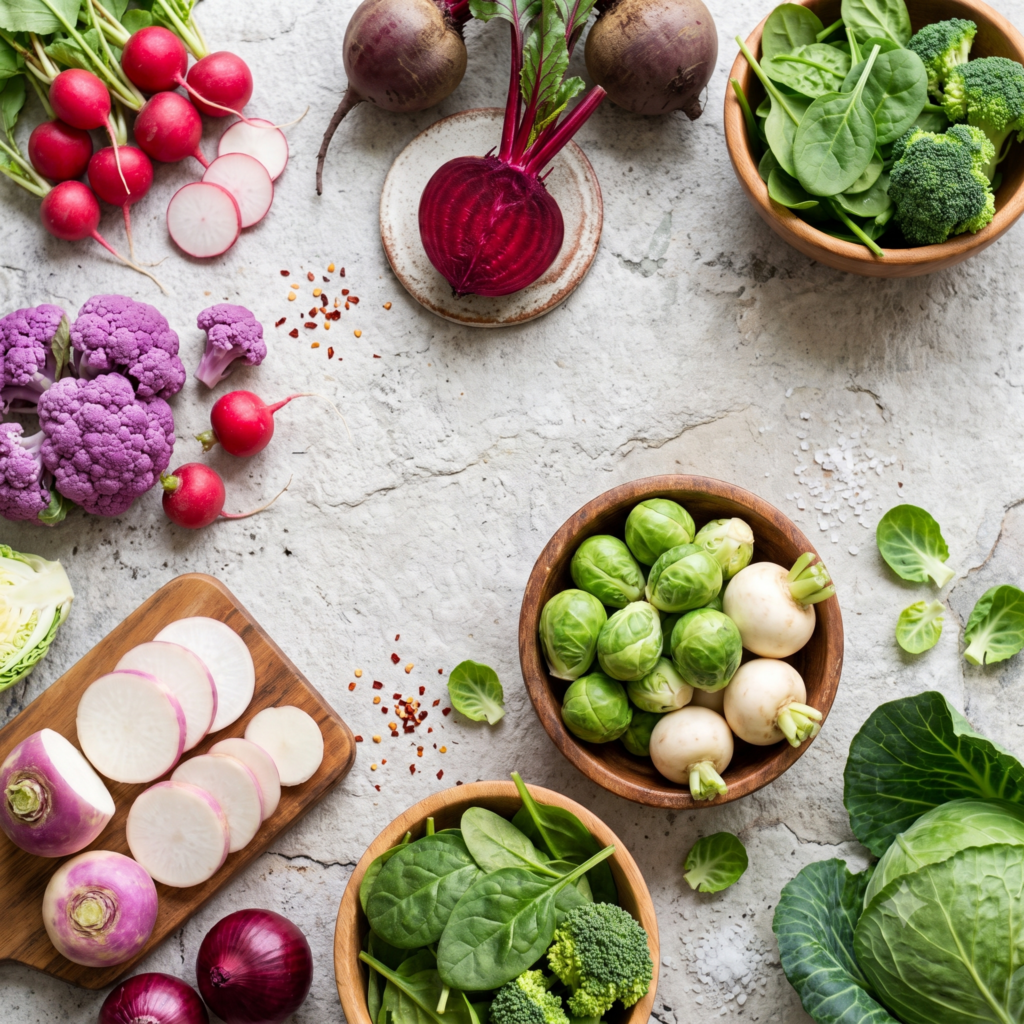
Root and cruciferous vegetables provide substance and fiber to meals. They do this while keeping calorie counts low.
Radishes, Beets, Turnips
Radishes are among the lightest of the bunch, offering around 16 calories per 100 grams. They add a crunchy texture to salads. Beets carry roughly 43 calories, and turnips about 28 calories, for the same portion size.
Both are slightly higher in natural sugars. Yet both remain relatively low-calorie and rich in fiber and antioxidants.
Broccoli, Cauliflower, Cabbage
Broccoli weighs in at about 34 calories per 100 grams. Cauliflower is a touch lighter, at roughly 25 calories. Cabbage matches cauliflower, at around 25 calories for the same serving. These cruciferous vegetables are low in calories and high in fiber and vitamin C.
They also contain compounds that may support metabolic health. Cauliflower, in particular, has become popular as a low-calorie substitute for rice and grains.
Brussels Sprouts, Onions
Brussels sprouts contain close to 43 calories per 100-gram serving. Onions come in a bit lower, at around 40 calories for the same amount. Brussels sprouts offer fiber and vitamin K for minimal calories. Onions add flavor to dishes without significantly increasing calorie intake.
5. Water-Rich Low Calorie Foods
Foods with high water content help you feel full. They contribute very few calories to your daily intake.
Cucumber
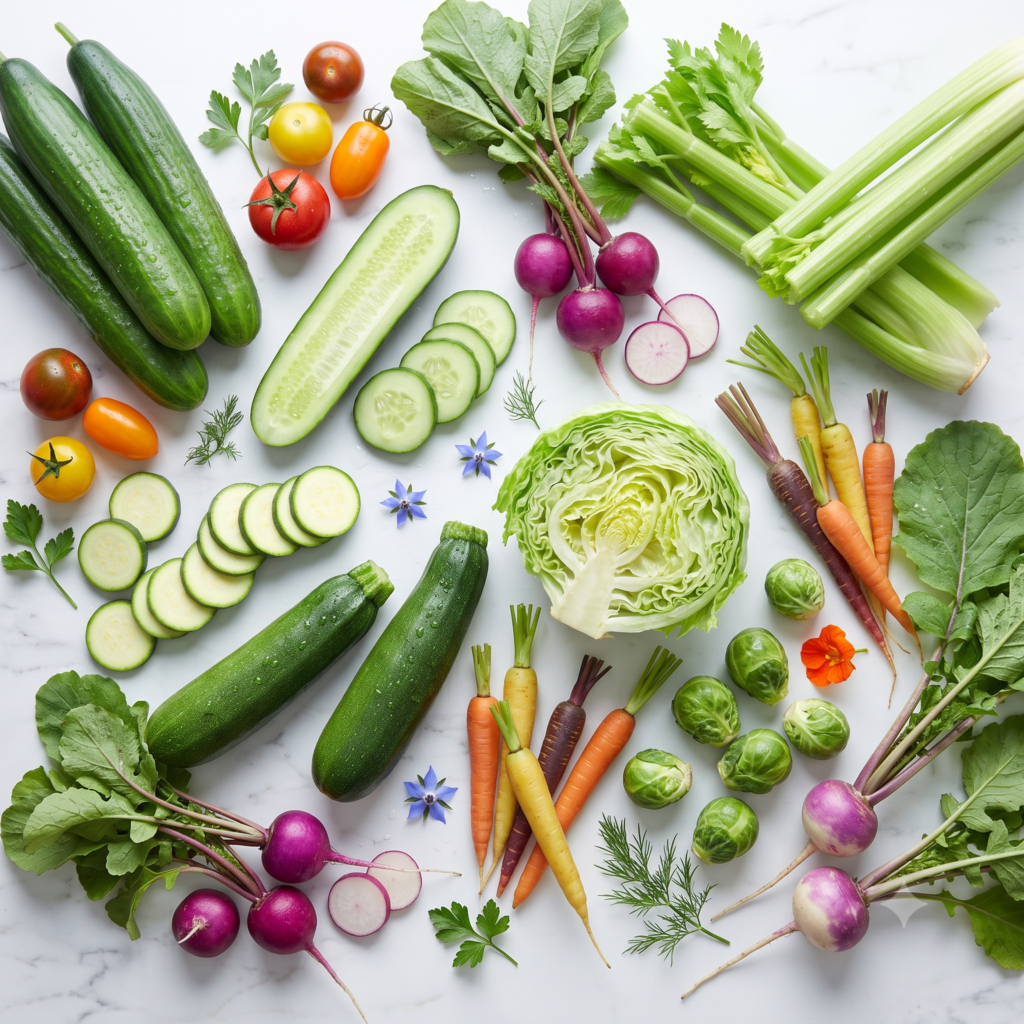
At just 15 calories per 100 grams, cucumbers are nearly 95% water. This makes them one of the most calorie-light vegetables. They’re perfect for salads, snacking, or infusing water.
Celery
Celery holds around 16 calories per 100-gram portion. It’s often cited as one of the lowest-calorie vegetables. It offers crunch and fiber with minimal energy content.
Iceberg Lettuce
A 100-gram serving of iceberg lettuce contains roughly 14 calories. While less nutrient-dense than darker greens, it remains a low-calorie base for salads. It also adds volume to meals.
Zucchini
Zucchini carries about 17 calories per 100 grams. It’s versatile and low in calories. It’s often used as a substitute for pasta, in the form of “zoodles.” This works well for those watching their carbohydrate and calorie intake.
6. Low Calorie Condiments, Drinks & Snacks
Beyond fruits and vegetables, several condiments and beverages can be enjoyed with minimal calorie impact.

Herbs, Spices & Sauces (Garlic, Mustard, Hot Sauce)
Garlic itself runs higher at around 149 calories per 100 grams, but this is misleading on its own. A single clove weighs only about 3 grams, so it adds roughly 4-5 calories per serving in practice. Mustard sits near 66 calories per 100 grams. Hot sauce is much lighter, at roughly 15 calories for the same amount.
All three are typically used in small amounts, like a teaspoon or a single clove. So their actual calorie contribution to a meal stays minimal. They add bold flavor without contributing significant calories. This makes them great alternatives to calorie-dense dressings and sauces.
Zero-Calorie Drinks (Coffee, Tea, Water)
Black coffee and unsweetened tea barely register on the calorie scale. They hold around 1-2 calories per 100 milliliters, making them virtually calorie-free. They may even support metabolism. Water remains the ultimate zero-calorie beverage, essential for overall health.
Broths (Vegetable, Miso)
Vegetable broth stays light, at about 5 calories per 100 milliliters. Miso broth is a bit richer, at around 25 calories for the same amount. Both are light, low-calorie options. They can be satisfying on their own or used as a base for soups.
7. Zero-Calorie Foods and Intermittent Fasting
For those practicing intermittent fasting, it’s important to know which foods and drinks won’t disrupt a fasting state.
Foods That Don’t Break Your Fast
Technically, any food breaks a fast, since digestion requires energy. However, very low-calorie items in small amounts have minimal impact on insulin levels. A small piece of cucumber or celery is one example. These are sometimes tolerated during fasting windows, depending on individual goals.
Drinks Allowed During Fasting Window
Plain water, black coffee, and unsweetened tea are generally considered safe during fasting periods. They contain no or negligible calories. They also don’t significantly trigger an insulin response.
8. Myth Busting: Do “Negative Calorie” Foods Really Exist?
The idea of “negative calorie” foods is a popular myth. This is the claim that some foods require more energy to digest than they provide. Foods like celery and cucumber are very low in calories. But scientific evidence doesn’t support the claim that digesting them results in a net calorie loss. These foods are simply low-calorie, not calorie-negative. They should be understood as part of a broader healthy eating pattern, not a magic weight-loss solution.
9. Best Ways to Add Low Calorie Foods to Your Daily Diet
Incorporating low-calorie foods doesn’t have to be complicated. Small, consistent changes can make a big difference over time.
Meal Planning Tips
Start by filling half your plate with vegetables. Choose fruit over sugary desserts. Swap high-calorie condiments for herbs and spices. Preparing meals at home also gives you better control over portion sizes and ingredients.
Sample Low-Calorie Meal Ideas
Try a breakfast of spinach and egg whites. For lunch, go for a salad with mixed greens and grilled chicken. For dinner, try roasted cauliflower with lean protein. These meals keep calorie counts low while remaining filling and nutritious.
10. Precautions & Side Effects of Eating Too Many Low-Calorie Foods
Low-calorie foods are generally healthy. But relying on them excessively can lead to nutritional gaps. A diet overly restricted in calories may lack protein, healthy fat, or micro nutrients. This can cause fatigue, muscle loss, or a slowed metabolism over time. Pair low-calorie foods with adequate protein and healthy fats to maintain balanced nutrition. Avoid extreme caloric restriction it can be counterproductive and even harmful to long-term health.
Conclusion
Low calorie foods offer a practical, nutrient-rich way to support weight loss. They do this without sacrificing satisfaction or essential nutrition. From fruits and leafy greens to root vegetables and low-calorie beverages, there are countless options for your daily meals. However, balance remains key. Pair these foods with adequate protein, healthy fats, and overall dietary variety. This ensures sustainable, long-term health rather than short-term restriction.
Note: Calorie values mentioned throughout are approximate averages per 100g (or per 100ml for liquids). They’re based on commonly referenced nutrition databases such as USDA FoodData Central. Actual values may vary slightly depending on ripeness, preparation method, and brand.
Disclaimer: This article is for general informational purposes only and is not medical advice. Please consult a doctor, dietitian, or fitness professional before making changes to your diet or exercise routine. vitaclac.com its authors, and contributors make no warranties or guarantees regarding the accuracy, completeness, or reliability of the information provided on this site. Any action you take based on the content of this article is strictly at your own risk. We shall not be held liable for any loss, injury, illness, or damage direct or indirect arising from the use of, or reliance on, the information presented here.
People also ask
Practically speaking, true zero-calorie foods do not exist in nature, as almost all organic matter contains trace proteins, carbohydrates, or fats. However, water, plain unsweetened tea, black coffee, and certain highly-processed items like shirataki noodles are close enough to zero calories that they do not impact daily intake. Your body also expends energy to digest food, which minimizes the net calorie yield of high-fiber vegetables.
Many water-rich vegetables fall into the range of 15 to 25 calories per 100 grams. For example, a large cup of raw celery, sliced cucumbers, or raw spinach provides approximately 16 to 20 calories. A medium-sized tomato or a cup of shredded lettuce also lands in this exceptionally low-calorie range.
The top 10 lowest calorie whole foods include watercress, celery, cucumbers, iceberg lettuce, radishes, zucchini, tomatoes, spinach, mushrooms, and asparagus. These selections consist mostly of water and dietary fiber, meaning you can consume them in large, satisfying quantities with minimal caloric impact. Incorporating these foods regularly makes maintaining a healthy calorie deficit much more manageable.
No, humans cannot survive long-term solely on zero-calorie or very low-calorie foods. Your body requires calories from macro nutrients (carbohydrates, healthy fats, and protein) to run basic cellular processes, support organ function, and maintain lean body tissue. Relying only on near-zero-calorie foods will quickly lead to severe malnutrition, hormonal disruption, muscle wasting, and serious long-term health complications.
Calculate Your Own Calorie Needs
Ready to take control of your nutrition? Use our free tools to calculate your daily energy expenditure and check the exact calorie profiles of your favorite foods.
Was this article helpful?
Your feedback helps us improve our guides. Need support? Reach out via our Contact Us page.




3 Comments