Can Weight Loss Cause Diarrhea? Causes and Fixes
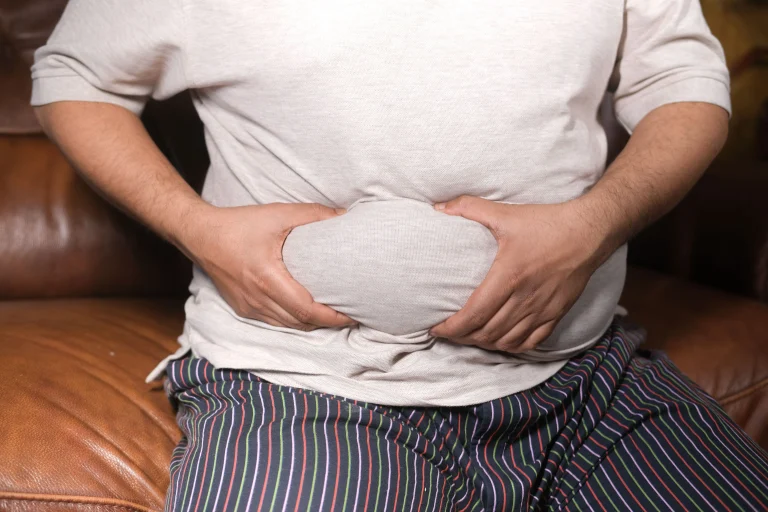
Yes, it can. Losing weight doesn’t usually cause diarrhea on its own, but the things people change to lose weight often do: more fiber, sugar-free foods, protein shakes, keto-style meals, supplements, and weight loss medications. The good news is that most of these causes are easy to spot and fix.
If you started a new diet or a new medication and your stomach has been unhappy ever since, you’re not imagining the link. Loose stools are one of the most common complaints people have in the first few weeks of a weight loss plan. The tricky part is working out which change is behind it, because it’s rarely the weight loss itself.
Below, we’ll go through the usual suspects, how long it tends to last, what you can do about it, and the signs that mean it’s time to talk to a doctor.
Why Weight Loss Can Upset Your Stomach
Your gut is sensitive to change. It gets used to a certain pattern of food, fiber, fat, and fluid, and when you change that pattern quickly, it often protests. Weight loss usually means changing a lot at once: what you eat, how much you eat, when you eat, and sometimes what you take on top of that.
So when diarrhea shows up during a weight loss attempt, the useful question isn’t “is weight loss doing this?” It’s “what did I change?” The answer is usually one of the causes below.
The Most Common Causes
You added a lot of fiber, too fast
Fiber is one of the first things people increase when they want to lose weight. It helps you feel full, and that’s a good thing. But if you go from a low-fiber diet to big salads, bran cereal, beans, and fiber bars in a single week, your gut doesn’t get time to adjust. The result is often gas, cramping, and loose stools.
The type matters too. Soluble fiber (oats, psyllium, bananas, cooked carrots) tends to be gentle and can even firm up stool. Insoluble fiber (wheat bran, raw leafy greens, vegetable skins) speeds things up and is more likely to make diarrhea worse.
Sugar-free foods and sugar alcohols
Diet sodas, sugar-free gum, protein bars, “keto” snacks, and low-calorie yogurts often contain sugar alcohols such as sorbitol, mannitol, xylitol, and erythritol. Your body doesn’t absorb them well. They stay in the intestine and pull water in with them, which is exactly how a laxative works.
This is a very common hidden cause. People swap regular snacks for “diet” versions and end up eating more sugar alcohols than they realize. Check the ingredient list, not just the calorie count.
Weight loss medications
GLP-1 medications such as semaglutide (Ozempic, Wegovy), liraglutide (Saxenda), and tirzepatide (Mounjaro, Zepbound) slow down how quickly food leaves your stomach and change how your gut moves. Diarrhea is one of the best-known side effects. In clinical trials of weight loss doses, roughly one in five to one in three people reported it, depending on the drug and the dose. Some people get constipation instead, and some swing between the two.
It’s often worst when you start or when your dose goes up, and it usually settles as your body adjusts. High-fat meals, big portions, and sugar alcohols can make it worse.
Orlistat (sold as Xenical or Alli) works differently. It stops some of the fat you eat from being absorbed, so that fat passes through you instead. Oily stools, urgency, and loose bowel movements are common, especially after greasy meals.
If you think your medication is causing diarrhea, talk to your doctor or pharmacist. Please don’t stop or change the dose on your own.
High-fat or keto-style eating
When you suddenly eat a lot more fat, your body releases more bile to digest it. Extra bile in the colon can act like a laxative. Many people who switch to keto or a very high-fat diet get loose stools for the first week or two. Easing in gradually, and not going all-in overnight, usually helps.
Protein shakes and supplements
A lot of protein powders are made from whey or milk, which contain lactose. If you’re even a little lactose intolerant, a daily shake can be enough to cause diarrhea. Many powders also include sugar alcohols or added fibers like inulin.
Some supplements can do the same thing. High-dose magnesium is a classic example, and so are some fat burners that rely on caffeine or other stimulants. If your diarrhea started around the same time as a new supplement, that’s worth looking at.
Rapid weight loss and your gallbladder
Losing weight very quickly changes the makeup of your bile and can lead to gallstones. Your gallbladder also doesn’t get emptied as often when you eat very little or very little fat. For some people this shows up as loose or greasy stools, and sometimes as pain in the upper right side of the belly, especially after meals.
This is one reason slow, steady weight loss is safer than crash dieting.
Weight loss surgery
After procedures like gastric bypass or sleeve gastrectomy, diarrhea can be part of recovery. One known cause is dumping syndrome, where food (especially sugary food) moves too quickly into the small intestine and causes cramping and loose stools soon after eating. Your surgical team will usually give you specific food guidance for this.
Laxatives, detox teas, and “slimming” products
Many detox teas and cleanse products contain senna or other stimulant laxatives. Diarrhea is the point of them, and it isn’t fat loss. It’s water and electrolytes leaving your body, and it’s not a safe way to lose weight. If you’re using these regularly because you’re worried about your weight, please talk to a doctor or another health professional. You deserve proper support, and it isn’t something you have to handle alone.
Stress and eating very little
Strict dieting is stressful, and your gut reacts to stress. Skipping meals and then eating a large one, drinking lots of coffee to stay full, or cutting calories very low can all upset digestion. If your calorie target is very low, it’s worth checking it against your real needs. Our maintenance calorie calculator can show you a more sensible starting point.
Foods That Help vs. Foods to Go Easy On
While your stomach is unsettled, simple foods are usually easiest. This is a rough guide, not a strict rulebook.
| Usually easier on your stomach | Can make loose stools worse |
|---|---|
| Bananas, white rice, plain toast | Sugar-free gum, candy, and “diet” snacks |
| Oatmeal, cooked carrots, peeled potatoes | Raw salads, bran, and whole-grain cereals |
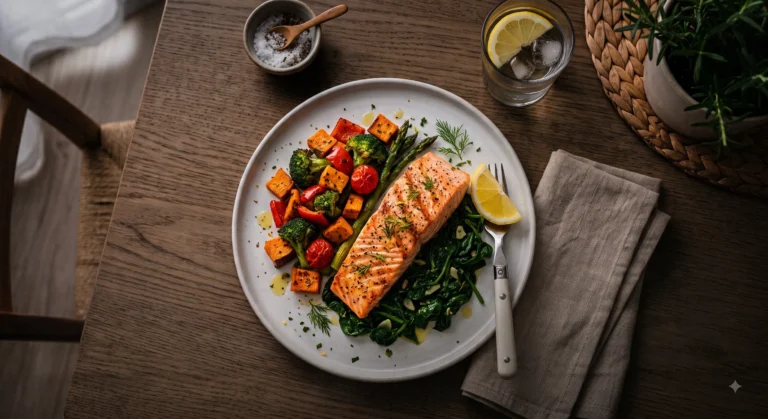
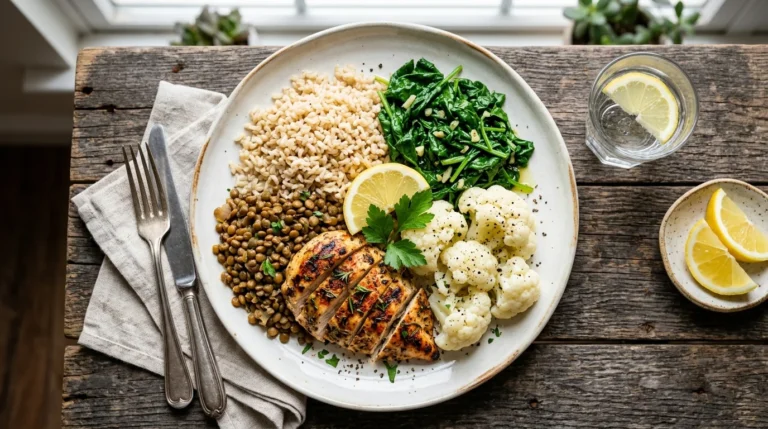
| Plain chicken, eggs, fish | Greasy, fried, or very rich meals |
| Applesauce, plain yogurt (if you tolerate dairy) | Milk-based shakes and protein powders |
| Broth and electrolyte drinks | Coffee, energy drinks, and alcohol |
When Diarrhea Could Be Causing the Weight Loss, Not the Other Way Around
Sometimes the direction is reversed. If you’re losing weight without trying and you also have diarrhea, something else might be going on. Conditions that can cause both include an overactive thyroid, celiac disease, inflammatory bowel disease (Crohn’s or ulcerative colitis), and ongoing infections. Irritable bowel syndrome can cause diarrhea too, though it doesn’t usually cause weight loss on its own.
If the weight loss wasn’t intentional, or the diarrhea has gone on for weeks, please get it checked rather than assuming it’s your diet.
How Long Does It Usually Last?
It depends on the cause, so treat these as rough guides.
- Diet changes (fiber, sugar alcohols, fat): often improves within a few days of cutting the trigger, or within a couple of weeks as your gut adjusts.
- Weight loss medications: commonly worst around the start or after a dose increase, and often eases over the following weeks. Talk to your prescriber if it doesn’t.
- Supplements: usually stops soon after you stop taking them.
- Anything lasting more than a few days with no clear reason: worth a call to your doctor.
What You Can Do About It
- Work out what changed. Think back to the week before it started. New medication, new shake, a pile of sugar-free snacks, a big jump in vegetables? Writing it down for a week makes patterns easier to see.
- Change one thing at a time. If you cut five foods at once, you won’t know which one was the problem.
- Increase fiber slowly. Add a little each week and drink more water as you do. Many guidelines suggest roughly 25 to 38 grams of fiber a day for adults, but you don’t need to hit that in week one.
- Read labels for sugar alcohols. Look for ingredients like sorbitol, xylitol, mannitol, and erythritol.
- Keep meals smaller and less greasy. Large, fatty meals are a common trigger, especially on weight loss medications.
- Stay hydrated. Sip water or an oral rehydration solution through the day. Diarrhea drains sodium, potassium, and fluid, so plain water alone isn’t always enough if it’s been going on for a while.
- Ask a pharmacist or doctor before taking any anti-diarrheal medicine. These medicines aren’t right for everyone, especially if you have a fever or blood in your stool.
When to See a Doctor
Mild diarrhea after a diet change is common and often settles on its own. But get medical advice if you notice:
- Diarrhea lasting more than a few days, or coming back again and again
- Blood in your stool, or black, tarry stools
- A fever, or severe stomach pain
- Signs of dehydration, such as dizziness, a very dry mouth, dark urine, or a fast heartbeat
- Diarrhea that wakes you up at night
- Weight loss you didn’t intend, or weight loss that’s much faster than planned
- Pain in the upper right belly after meals
- Severe or persistent symptoms while on a weight loss medication, especially if you can’t keep fluids down
Children, older adults, pregnant women, and people with health conditions should see a doctor sooner.
Frequently Asked Questions
Can losing weight too fast cause diarrhea?
It can contribute. Very rapid weight loss changes bile and gallbladder activity, and crash diets often include extreme changes in fiber, fat, or sweeteners. A steady pace of around half a kilo to one kilo a week is gentler on your body.
Do all weight loss medications cause diarrhea?
No. It’s common with GLP-1 medications and orlistat, but not everyone gets it, and some people get constipation instead. How you react also depends on your dose and what you eat.
Can a high-protein diet cause diarrhea?
Protein itself usually isn’t the problem. The shakes, bars, and powders that come with it often are, because of lactose, sugar alcohols, or added fibers.
Is it normal to have diarrhea in the first week of a new diet?
It’s fairly common, especially if you made big changes to fiber, fat, or sweeteners. If it’s mild and improves within days, it’s usually your gut adjusting. If it’s severe or doesn’t improve, check in with a doctor.
Will I lose real weight if I have diarrhea?
Only water weight. Diarrhea makes the scale drop temporarily because you’re losing fluid, not fat, and it comes back once you rehydrate.
The Bottom Line
Weight loss doesn’t cause diarrhea by itself, but the way people lose weight often does. The most common culprits are sudden fiber increases, sugar alcohols in diet foods, weight loss medications, high-fat meals, protein shakes, and some supplements. Once you work out what changed, it’s usually fixable.
If you’re not sure you’re eating the right amount, start with your real numbers instead of guessing. Our free Calorie Calculator gives you a daily target based on your age, weight, height, and activity level. And if your symptoms are severe, long-lasting, or come with any of the warning signs above, don’t wait it out. Talk to a healthcare provider.
This article is for general information only and is not medical advice. If you have ongoing digestive symptoms, are taking weight loss medication, or are worried about your eating or weight, please talk to a qualified healthcare provider.
Sources
- Wegovy (semaglutide) prescribing information, adverse reactions section
- National Institute of Diabetes and Digestive and Kidney Diseases (NIDDK), Diarrhea
- Mayo Clinic, Diarrhea: symptoms and causes
Find Your Real, Personalized Calorie Target
Skip the shortcuts get a number based on your actual body and goals.