30 Weight Loss Tips for Women That Actually Work

Protein Intake
Most women under-eat protein without realizing it, which is why cravings tend to hit right around mid-afternoon. Swap a carb-heavy lunch for meat, eggs, seafood, or legumes, and it changes the whole afternoon — satiety kicks in, overeating drops, and a calorie deficit starts building itself. Aim for roughly 1.2 to 1.6 grams per kilogram of body weight.
A 12-week trial found something striking: a modest 15% protein bump alone was enough to cut daily intake and shed 11 pounds.
Resistance/Strength Training
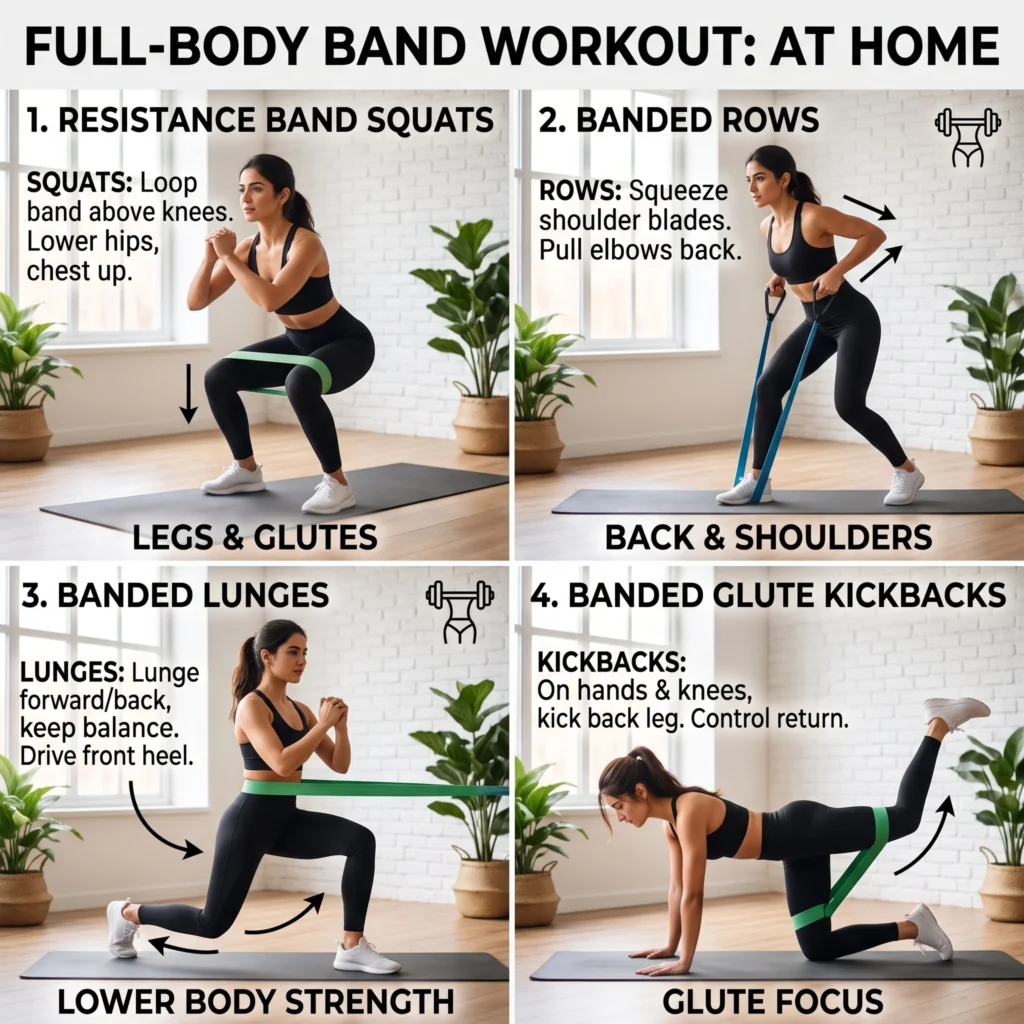
Cardio gets the spotlight, but muscle is the real metabolic engine it burns calories even at rest, long after the workout ends. You don’t need a gym membership either, since dumbbells, resistance bands, or bodyweight moves like squats, lunges, and push-ups work the major muscle groups just as well. The CDC recommends hitting these twice weekly.
For women over 50, this isn’t optional. It protects bone density against osteoporosis as estrogen naturally declines with age, and it does more for a visibly leaner shape than months of extra treadmill time ever will.
HIIT
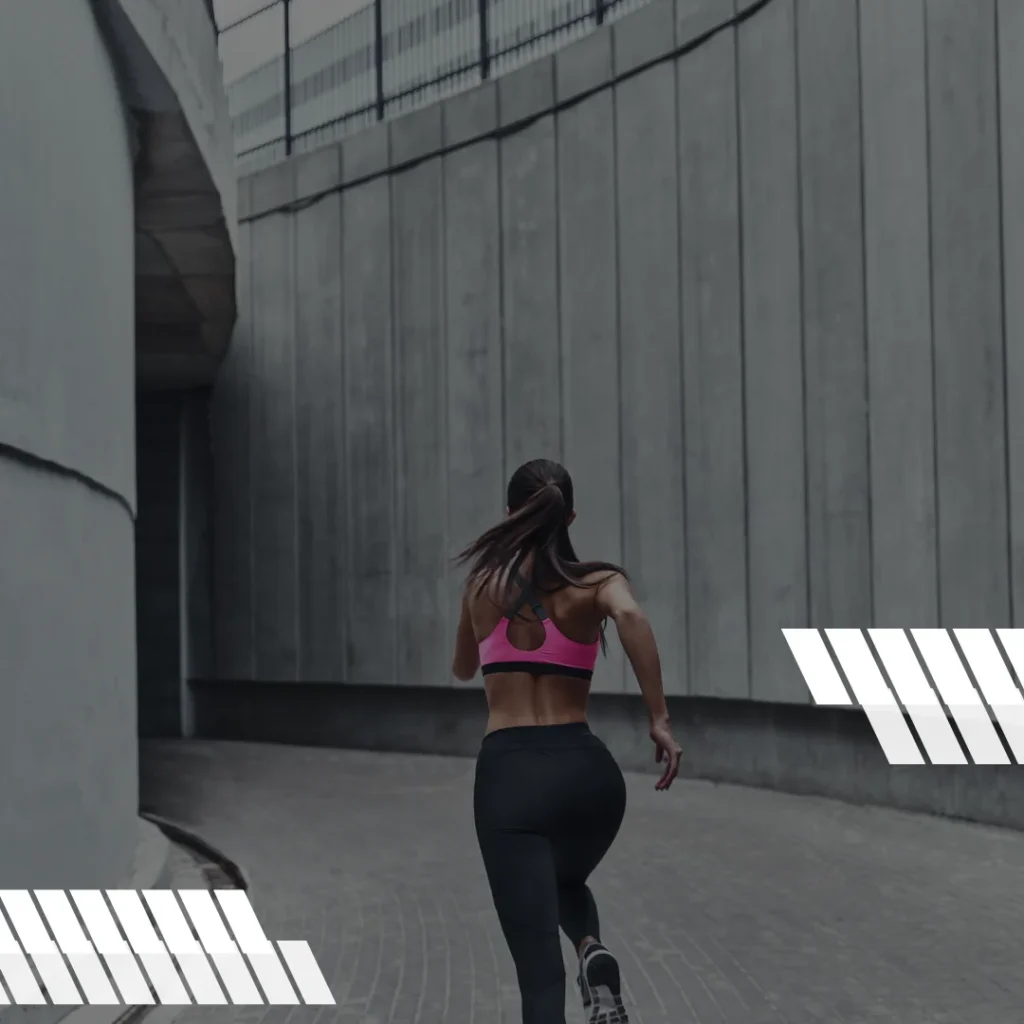
Twenty focused minutes of HIIT short sprints paired with recovery can out-perform an hour of steady jogging. It’s better for belly fat and metabolic rate simply because it’s less about punishing yourself and more about efficiency. Alternating intensity teaches your body to keep burning calories long after you’ve already showered.
Cardio / Movement
Here’s what nobody tells you: roughly half your daily calorie burn comes from non-exercise movement. Take the stairs over the elevator, go for a walk on your lunch break, or park farther out small choices that add up fast. Structured cardio still matters too, aim for 150–300 minutes weekly. That said, stacking small movement habits on top does more for the scale than either one alone.
Sleep

Skip sleep, and your appetite hormones work against you ghrelin rises and cravings spike hard. One review clocked an extra 385 calories eaten the next day after short nights, compared with a full seven to nine hours of rest.
Powering down screens an hour before bed and cutting late caffeine may sound unrelated to the scale, but seven-plus hours isn’t a luxury here, it’s practically load-bearing for weight loss, right up there with diet or exercise. Skimping on it quietly undoes progress made everywhere else.
Food Tracking / Journaling
A food journal isn’t about guilt, it’s about closing the gap between what you think you eat and what actually lands on the plate. People who track consistently (over 66% of days) lose meaningfully more than sporadic trackers, mostly because visibility kills mindless eating before it ever becomes a habit.
Food Quality / Cutting Processed Foods & Refined Carbs

Not all “healthy” food is honest. Low-fat and no-sugar labels often hide refined carbs, sodium, and added sugar, which spike blood sugar and hunger right back up within the hour.
The fix is boring but reliable: build meals around whole grains like oats and quinoa, vegetables, lean protein, legumes, and healthy fats, and cook more of them yourself. Home-cooked eaters consistently carry less body fat and better overall diet quality than those relying on prepackaged, ultra-processed convenience.
Reading the ingredient list on a jar of “healthy” pasta sauce is often the fastest way to spot hidden sugar lurking where you’d least expect it.
Stress / Emotional Eating
Reaching for wine or ice cream after a brutal day isn’t a willpower failure, it’s cortisol and stress doing exactly what they’re built to do. The actual fix isn’t more discipline then, it’s lowering the stress itself through movement, journaling, talking to people who matter to you, or a yoga class that has nothing to do with the scale.
Drink More Water

This is the cheapest lever on the list. A glass of water before meals can trim what you eat by roughly 13%. One study even found a temporary 30% bump in calories burned in the half hour…
Fiber Intake
Fiber buys you time, since it slows digestion so fullness lasts longer. An extra 14 grams a day, with nothing else changed, was enough in one study to knock off 4.2 pounds over a few months.
Mindful Eating / Eating Slowly
Distraction-free eating no phone, no scrolling lets fullness signals actually register before you’ve cleaned the plate. It sounds almost too simple to matter, and yet it consistently outperforms willpower-based approaches.
Snack Smarter
The right snack pairs protein or fiber with a little sweetness. For example, try Greek yogurt and nuts, or fruit with nut butter. This combo leaves you full instead of just having eaten.
Ditch Fad Diets

Eliminating entire food groups tends to backfire, because restriction breeds cravings, and cravings breed overeating. As a result, the cycle ends in yo-yo dieting that costs more than it saves.
SMART Goal-Setting
“Lose weight” isn’t a goal it’s a wish. On the other hand, “Lose 10 pounds in 3 months by journaling meals and hitting the gym three times a week” is a goal, since it’s specific, measurable, and honest about the timeline.
Smaller Plates / Portion Control
A smaller plate is a cheap trick that actually works, because the same food looks like more. As a result, portion control happens almost without thinking about it.
Probiotic Supplements
Gut bacteria influence appetite hormones more than most people expect. For instance, probiotics, particularly Lactobacillus gasseri, have shown measurable effects on belly fat in clinical research.
Yoga
Beyond flexibility, yoga measurably lowers stress and anxiety, both of which are quietly tied to binge eating and emotional eating patterns.
Chew Slower
Chewing longer than feels natural 30–50 times per bite cuts intake almost automatically, because it gives fullness signals time to catch up.
Eat a Healthy Breakfast
A high-protein breakfast keeps ghrelin in check for hours. In other words, it prevents the 11am hunger spiral before it starts.
Intermittent Fasting
Compressing your eating into a window often 14 to 24 hours of fasting appears roughly as effective as calorie-counting, and it skips the constant math.
Is It Harder for Women to Lose Weight?

Often, yes and it’s physiology, not excuse-making. Women tend to have lower baseline muscle mass, while hormonal shifts through pregnancy and menopause add another layer. On top of that, a naturally slower metabolism stacks the deck differently than it does for men.
How Should Women Lose Weight?
Skip the extremes. Instead, a balanced diet, consistent movement, real sleep, and stress management outperform any 30-day crash plan. That said, conditions like PCOS or thyroid issues deserve a doctor’s input, not just more willpower.
Limit Alcohol
Alcohol works against you twice: first, through liquid calories, and second, by increasing hunger and blunting fat metabolism. Because of this, heavy drinkers carry meaningfully more risk here than occasional ones.
Weight Loss Risks
Fast weight loss isn’t free. For example, starvation diets risk gallstones, hair loss, bone loss, and fatigue. That’s why 1 to 2 pounds a week remains the boring, sustainable pace for a reason.
Weight Loss Benefits
You don’t need a dramatic transformation to see results. For instance, losing just 5–7% of body weight can meaningfully improve blood pressure, cholesterol, and blood sugar control.
When to See a Doctor
If diet and exercise changes genuinely aren’t moving the needle, that’s a signal to check your hormone levels , not evidence you’re doing something wrong.
Wrong Type of Exercise
Endless moderate cardio without any strength training is a common trap. Women often avoid weights, fearing bulk, but in reality, it’s the fastest route to visible, lasting change.
Thyroid Problems
An under- or overactive thyroid can quietly sabotage every other effort on this list. Therefore, unexplained weight change, fatigue, or hair thinning are worth a simple blood test.
Hormone Imbalance / Cortisol
Chronically elevated cortisol keeps fat parked specifically around the belly, and it also drives carb cravings. Because of this, managing stress here does more than another round of cardio would.
Prescription Medications Causing Weight Gain
Birth control, antidepressants, and certain blood pressure medications can all cause weight gain as a side effect. So, this is worth a conversation with your prescriber, not a guilt trip.
Eating Too Many Healthy Foods
Avocados and nut butter are genuinely good for you, but they’re also genuinely calorie-dense. As a result, it’s entirely possible to overeat “healthy” and stall progress without noticing.
Food Allergies / Sensitivities
Persistent bloating or skin flare-ups with no obvious cause can point to a food sensitivity, since this can drive low-grade inflammation. Because of this, an elimination diet is the standard way to test it.
Disclaimer Everybody’s body responds differently, so it’s worth checking in with a doctor or registered dietitian before making major changes. This matters most if you’re pregnant or breastfeeding, living with a chronic illness like diabetes, managing any other health condition, or cutting calories for the very first time. This article is meant to inform, not to replace one-on-one medical guidance.vitaclac.com is not liable for any loss or injury resulting from reliance on this information.
People also ask
The fastest safe way to lose weight is by creating a modest calorie deficit (reducing daily intake by 300–500 calories) while prioritizing high protein intake and resistance training. This strategy ensures you lose body fat rather than muscle or water weight. Extreme calorie restriction or excessive cardio can drop metabolism quickly and backfire over time.
The 3-3-3 rule is a simple behavioral habit framework for sustainable weight loss. It stands for eating 3 balanced meals a day (consisting of protein, fiber, and healthy fats), drinking 3 liters of water daily to support digestion and satiety, and getting at least 3 hours of movement or exercise per week.
To lose 10 kg permanently, aim for a gradual pace of 0.5 to 1 kg per week, which takes about 10 to 20 weeks. Focus on building meals around whole foods, regular strength training, eating enough protein to protect muscle tissue, and maintaining a long-term mindset instead of a quick 30-day crash diet.
You can lose weight without exercise by maintaining a calorie deficit through diet alone. Focus on fiber-rich vegetables, lean proteins to keep satiety high, and cutting out liquid sugars and highly processed snack foods. Boosting daily non-exercise movement (like walking and taking the stairs) also increases daily energy burn without structured gym workouts.
Calculate Your Nutrition Targets
Use our suite of free calculators to manage your health goals, calculate daily energy expenditure, and check the calorie content of foods.
Was this article helpful?
Your feedback helps us improve our guides. Need support? Reach out via our Contact Us page.