How to Lose Belly Fat Fast: Tips That Actually Work

How to Lose Belly Fat Fast

Ask ten people how to lose belly fat and nine will bring up some drink, tea, or “trick” they saw online last week. None of it works, and most people know that already, deep down. What actually moves the needle is a lot less exciting than a miracle tea: sleep, food, movement, and time.

The fat that matters most isn’t even the kind you can pinch. It’s visceral fat tucked around your organs and it’s why belly fat keeps getting linked to diabetes and heart disease. Someone can have a totally normal BMI and still be carrying a dangerous amount of it, because BMI was never built to catch that in the first place.

As we age, muscle naturally thins out while fat tends to settle around the waist instead. Frustrating, sure. But it also means the fix isn’t some hidden mystery. String a few habits together, give them months instead of days, and the research backs that approach up far more than any pill ever will.

What Is Belly Fat, Exactly?

There are actually three kinds of fat around your midsection, and they don’t behave the same way. Subcutaneous fat sits just under the skin , it’s the soft part you can grab between two fingers. Intramuscular fat, meanwhile, lives inside the muscle tissue itself.

The one that actually matters is visceral fat. It’s wedged between your organs stomach, liver, kidneys and it’s the one tied to real disease risk. You can look thin and still be carrying too much of it, which is part of why weight alone doesn’t tell you very much.

Cut Back on Sugar

This is usually the first thing worth changing, mostly because it’s the easiest one to actually stick with. And it’s not just candy and soda natural sugar adds up too, and both are linked over time to heart disease, fatty liver, and type 2 diabetes.

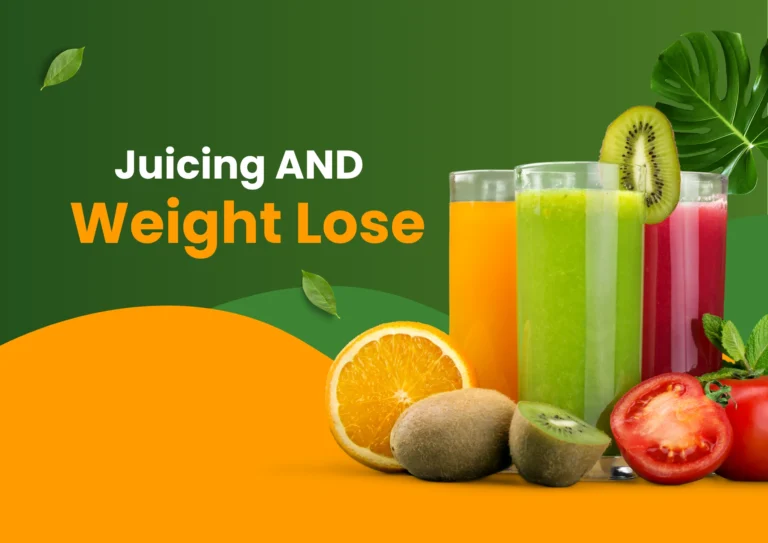
Juice is where people get fooled. It looks healthy on the label, but pressing the fiber out of fruit leaves mostly sugar behind, and your body handles that very differently than it handles a whole apple. Start simple: swap sugary drinks for water first, then tackle the snacks once that feels automatic. When a craving hits, reach for something whole instead melon, berries, whatever fruit you actually like , and let vegetables be the backbone of your plate.

Fiber Does More Than You Think

How to Lose Belly Fat Fast

Picture a sponge slowing everything down as it moves through your gut. That’s more or less what soluble fiber does it soaks up water, turns gel-like, and stretches out digestion, which keeps you full without you having to think about it.

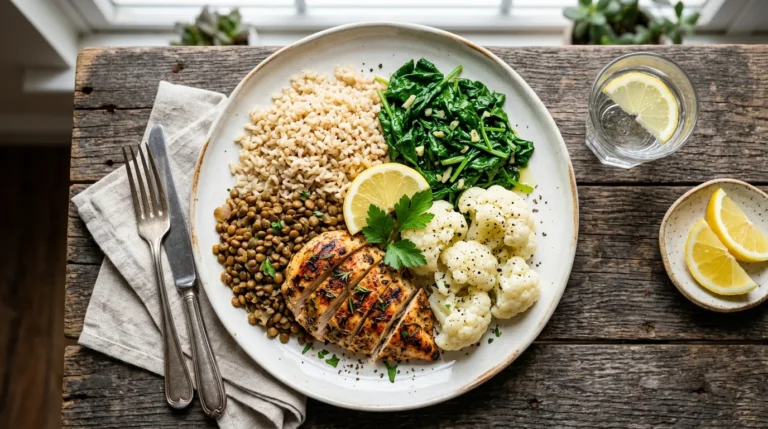
A long-running study followed over a thousand adults and found that every extra ten grams of fiber was tied to nearly four percent less belly fat gained over five years. You’ll find it in oats, barley, legumes, and most fruits and vegetables. One trick that actually helps: eat the vegetables on your plate first, before anything else, especially at your biggest meal of the day.

Don’t Skimp on Protein

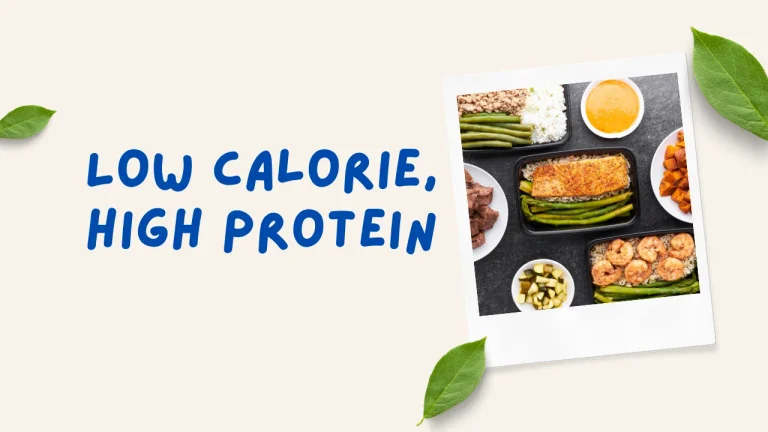
The mechanism here is simpler than most diet advice makes it sound. Protein raises a hormone called peptide YY, which tells your brain you’re full. It also nudges your metabolism up slightly and helps you hold onto muscle while you lose weight.

People who eat more of it consistently carry less belly fat than people on low-protein diets that pattern shows up again and again. No need to overthink it. Eggs, chicken, fish, beans, whatever fits your life just make sure something protein-rich shows up at every meal.

The Right Kind of Fat

The Mediterranean style of eating keeps showing up in research, and there’s a reason for that. It leans heavily on monounsaturated fats olive oil, nuts, seeds, avocado, fish and those fats seem to help the body store less around the belly specifically. People who eat yogurt regularly tend to show a similar pattern, for what it’s worth.

Apple cider vinegar gets a lot of hype for the same purpose. The animal studies look interesting. Human research just hasn’t caught up yet, though, so it’s smarter to keep an eye on this one than to build a whole diet around it.

Alcohol Is Complicated

Drinking too much, too often, is reliably linked to a bigger waistline , recent research from 2023 makes that connection clearly enough. But here’s the part people don’t expect: an older study of over two thousand people found that those who had a small drink daily actually carried less belly fat than people who drank rarely but heavily when they did.

The lesson isn’t “quit entirely.” It’s that moderation, applied consistently, beats occasional excess almost every time.

Cardio, Still One of the Best Tools

There’s nothing complicated about why cardio works. Walking, running, swimming, cycling, dance classes, rowing pick whichever one you’ll actually keep doing, because consistency matters more than intensity here.

Thirty minutes a day is a solid floor to aim for. One study on postmenopausal women found that five hours a week of cardio outperformed two and a half hours for overall fat loss though visceral fat specifically didn’t shift much differently between the two groups. Even something unglamorous, like a brisk hour-long walk or a steeper incline on the treadmill, adds up more than people give it credit for.

Strength Training Pulls Its Weight

Lifting doesn’t just build muscle. It protects the muscle you already have while you’re losing fat, and muscle burns more calories than fat even while you’re just sitting there. Research on people with prediabetes and fatty liver disease shows real belly-fat benefit from strength work specifically.

One study on teenagers with overweight found that pairing lifting with cardio produced the biggest drop in visceral fat of any combination tested. A basic rotation squats, lunges, curls, kickbacks works fine. Twelve reps at a moderate weight, or fewer reps with something heavier and shorter rests. If you’re new to this, get a doctor or trainer’s input before loading up too fast.

Sleep Matters More Than People Think

Sleep Matters More Than People Think

Sleep gets ignored constantly in these conversations, and that’s a mistake. A sixteen-year study tracking nearly seventy thousand women found that sleeping under five hours a night led to noticeably more weight gained than sleeping seven or more.

A separate study of seventy thousand people found the same thing short sleepers were far more likely to pack on thirty pounds or more over time. Sleep apnea shows up in this research too, tied specifically to extra visceral fat. So loud snoring, or exhaustion despite a full night’s sleep, is something to mention to a doctor rather than shrug off.

Stress and Cortisol

Stress works against fat loss in a way most people underestimate. It triggers cortisol, and cortisol does two unhelpful things at once: it ramps up appetite and pushes fat storage straight toward the waist.

Women dealing with chronic stress seem to feel this even more strongly. And it’s not only outside stress that causes it — training too hard without enough recovery raises cortisol the exact same way. Which means overtraining can quietly work against the very goal you’re chasing.

Sit-Ups Won’t “Target” Belly Fat

Here’s something that surprises people: sit-ups don’t burn belly fat. They strengthen the muscle underneath it, sure, but your body pulls stored energy from everywhere during exercise, not just wherever you happen to be working.

Shrinking a stomach really comes down to total body fat loss diet plus full-body movement, not spot targeting. That doesn’t mean skip ab work. Building core strength does raise how many calories you burn at rest, which helps indirectly. Just don’t let ab exercises substitute for real cardio.

A Few More Things to Add In

Skip trans fats entirely. Unlike most things on this list, this one’s better cut completely rather than moderated. They’re tied to inflammation, heart disease, insulin resistance, and direct fat gain around the belly. Check labels for “partially hydrogenated oil” if it’s there, put it back.

Cut back on refined carbs. Going lower carb can genuinely shrink belly fat, especially if you’re dealing with prediabetes, PCOS, or existing weight to lose. One long-running heart study found heavy whole-grain eaters were seventeen percent less likely to carry excess belly fat than people who mostly ate refined grains a bigger gap than most people would guess.

Watch the sugary drinks. Liquid calories don’t register with your brain the same way solid food does, which makes soda and sweetened drinks unusually easy to overconsume without noticing. This single swap tends to make the biggest visible difference of anything on this list.

Actually track what you eat. A basic food log or app isn’t glamorous, but the awareness alone does a lot of the heavy lifting. Most people underestimate how much they eat until they write it down for a week and see it in front of them.

Get fatty fish into your week. Salmon, sardines, mackerel, herring, anchovies they carry omega-3s that appear to reduce visceral and liver fat directly. Two to three servings a week is a solid target. If fish isn’t your thing, algae-based omega-3 supplements are a solid substitute.

Be careful with fruit juice. It feels like the healthy choice, but it’s often no better than soda when it comes to sugar. A single eight-ounce glass of apple juice can carry close to twenty-four grams of sugar more than most people would guess just from looking at the label.

Try probiotic foods. Certain strains, particularly a few types of Lactobacillus, show early promise for reducing belly fat specifically. The research is still developing though, and supplement quality varies a lot since this category isn’t tightly regulated food sources are the safer place to start over a random bottle off the shelf.

Consider intermittent fasting. Pairing it with spaced-out protein meals produced better fat-loss results in one study than plain calorie cutting did. Some research also flags possible blood sugar issues in women specifically, so pay attention to how you feel and adjust if something seems off.

Drink green tea if you like it. It contains an antioxidant called EGCG that seems to give metabolism a small boost, particularly alongside regular exercise. One review found benefit around 500mg a day over twelve weeks modest, but real.

None of This Works in Isolation

No single tip here does much on its own. What actually produces lasting results is stacking a handful of small habits together and keeping them running for months, not days. That’s really the whole difference between temporary results and something that sticks.

Pick one habit first and give it your full attention before adding a second. Trying to overhaul everything at once is the fastest way to burn out within two weeks , most people who fail at this fail because they tried to do it all on day one.

A few smaller things add up too. NEAT tapping a foot, gesturing while talking, pacing during a call has nothing to do with formal exercise, but it adds up over a full day more than people expect. Sitting for eight or nine hours straight can undo a chunk of a workout’s benefit, even if you technically hit your weekly exercise target, so short walking breaks or stairs instead of the elevator make a real difference.

And most people’s version of “rest” is a couch and a screen, which does almost nothing for the body real recovery comes from active leisure instead, a sport or hobby that actually involves moving. One stat puts this in perspective: the average American man spends somewhere around sixteen years of his life watching television.

One more point that deserves saying plainly: nothing currently on the market is approved specifically to reduce belly fat, no matter what the label implies. Most of those claims fall apart the moment you look at the research behind them.

Exercises Worth Trying

HIIT / interval training. Short, intense bursts followed by brief rest that’s the entire idea, and it works well if you’re short on time. Thirty seconds of effort, thirty seconds of rest, repeated through burpees, jump squats, or high knees, still delivers a real workout in a fraction of the time.

Mountain climbers. Start in a plank, drive one knee toward your chest and then the other, quickly enough that it doubles as cardio.

Lying leg raises. Legs lifted until they’re straight up, held for a second or two, then lowered slowly without letting your back arch.

Crunches, in their many forms. Reverse, bicycle, runner’s, bird dog better to rotate through these than do the same one every time.

Scissor kicks and knee tucks. Feet hovering just above the floor, alternating legs for scissor kicks; sliders or a stability ball for knee tucks, adding a serious core challenge from plank position.

Toe touches. Reach your hands toward your feet while your legs stay raised straight up.

A word of caution: pushing too hard without recovery raises cortisol, which works against the very thing you’re trying to do. Ease into anything new gradually, and if something feels sharp or doesn’t ease off, that’s a signal for a doctor not something to push through.

Disclaimer: This article is for general informational purposes only and isn’t intended as medical advice. It shouldn’t replace guidance from a qualified doctor or healthcare professional. Everyone responds differently to diet and exercise changes. Please consult a doctor before starting any new diet, workout routine, or supplement, especially if you have an existing health condition.

Frequently Asked Questions

Common questions about losing belly fat

Yes, a little eating better alone can help some. But exercise speeds up the process a lot more. Combining both gives the best results, and it also keeps the fat from coming back easily.
It usually takes a few months of steady, consistent habits before you notice real change. Anyone who tells you belly fat can disappear in just a few days isn’t being honest with you. Slow, steady progress is what actually lasts.
No. Sit-ups make your stomach muscles stronger, but they don’t burn fat from just that one spot. Your body loses fat from all over at the same time, not from a single targeted area. That’s why full-body exercise works better.
Yes, more than most people realize. Poor sleep is closely linked to weight gain, including extra fat around the belly. Getting enough good-quality sleep each night can genuinely support your fat loss goals.
Some belly fat is completely normal and nothing to worry about. But too much of the deep kind, the type wrapped around your organs, raises your risk of diabetes and heart disease. It’s worth taking seriously for your health, not just how you look.

Calculate Your Calorie Needs

Understanding your daily calorie intake is a key part of any fat loss plan. Use our free calculators to find your maintenance calories and look up the calorie content of individual foods.

Similar Posts

Leave a Reply

Your email address will not be published. Required fields are marked *