High Calorie Foods For Weight Gain
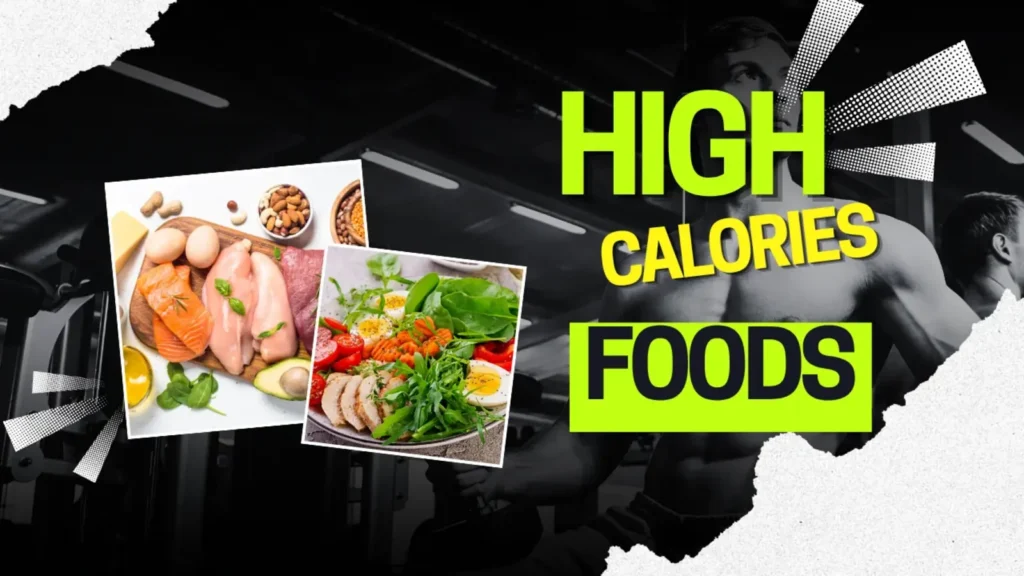
Gaining weight sounds easy until your appetite does not cooperate. Many people eat bigger plates, feel sick, and give up within a week.
There is a better way. Choose foods that pack more calories into each bite, and add them to meals you already eat.
This guide lists the best high calorie foods, with approximate calories and protein for each. It also shows simple ways to boost everyday meals without eating huge portions.
Start With a Calorie Surplus
Weight gain needs a calorie surplus. You must eat more energy than your body burns each day.
A surplus of roughly 300 to 500 calories above maintenance suits most healthy adults. Larger surpluses tend to add fat faster than muscle.
Find your maintenance level with our Maintenance Calories Calculator. Then add the surplus on top.
High Calorie Foods at a Glance
The table below shows common foods that give plenty of calories for their size. Values are approximate and vary by brand and cooking method. For exact numbers, check USDA FoodData Central or our Food Calories Calculator.
| Food | Serving | Calories (approx.) | Protein (approx.) |
|---|---|---|---|
| Whole milk | 1 cup (244 ml) | 150 kcal | 8 g |
| Plain whole milk Greek yogurt | 1 cup (245 g) | 235 kcal | 22 g |
| Cheddar cheese | 30 g | 115 kcal | 7 g |
| Eggs, whole | 2 large | 145 kcal | 12 g |
| Peanut butter | 2 tbsp (32 g) | 190 kcal | 7 g |
| Almonds | 30 g | 175 kcal | 6 g |
| Olive oil | 1 tbsp | 120 kcal | 0 g |
| Butter | 1 tbsp | 100 kcal | 0 g |
| Avocado | 1 medium | 320 kcal | 4 g |
| Cooked white rice | 1 cup | 205 kcal | 4 g |
| Rolled oats, dry | 1/2 cup (40 g) | 150 kcal | 5 g |
| Medjool dates | 3 dates | 200 kcal | 1.5 g |
| Cooked salmon | 100 g | 205 kcal | 22 g |
| Cooked ground beef (80/20) | 100 g | 260 kcal | 25 g |
| Dark chocolate | 30 g | 170 kcal | 2 g |
Oils and butter sit at the top for calories per gram. Nuts, cheese, and avocado follow, and they bring protein, fiber, and other nutrients too. The sections below explain how to use each one.
Dairy and Fortified Milk
Milk is cheap, easy to drink, and rich in protein and calcium. Whole milk gives more calories than low-fat versions. One easy upgrade is fortified milk.
Stir two tablespoons of skim milk powder into a glass of whole milk. This adds roughly 50 calories and about 5 grams of protein. Milkshakes, malted drinks, and smoothies work the same way. They help on days when solid food feels like too much.
Lactose-free whole milk has nearly the same calories as regular milk. Soy milk usually has fewer, so add milk powder or nut butter to it.
Greek yogurt deserves a mention too. Whole milk versions are thick, high in protein, and easy to top with nuts, honey, or dried fruit.
Cheese packs calories into a small portion. Melt it into potatoes, pasta, omelets, or sauces. It contains saturated fat, so keep portions reasonable if heart health is a concern.
Nuts, Nut Butters, and Seeds
Nuts give a lot of calories in a small volume. That helps when appetite is low and big portions feel hard. A small handful of almonds adds about 175 calories. Two tablespoons of peanut butter adds about 190.
Spread nut butter on toast, swirl it into oatmeal, or blend it into smoothies. Choose products with nuts as the main ingredient, without added sugar or palm oil. Seeds such as chia, flax, and sesame can go on cereal, salads, and stir-fries.
Oils, Butter, and Avocado
Fat is the most calorie-dense nutrient, with 9 calories per gram. Small additions add up quickly. A tablespoon of olive oil adds about 120 calories and barely changes the portion size.
Drizzle oil over cooked vegetables, rice, and soups. Melt butter into potatoes, eggs, and oatmeal. Olive oil is a better everyday choice than butter for heart health, so lean on it more.
Avocado works differently. One medium fruit brings about 320 calories, plus fiber and healthy fats. Mash it onto toast, blend it into smoothies, or add it to sandwiches.
Eggs
Eggs are affordable, versatile, and rich in protein. Two large eggs give about 145 calories and 12 grams of protein. Keep the yolk, since it holds most of the vitamins, minerals, and calories.
Scramble eggs with cheese and butter for a quick meal. Add toast with peanut butter, and breakfast easily passes 500 calories.
Carbs and Grains
Rice, bread, potatoes, pasta, and oats are cheap and easy to eat. They also absorb extra calories well. Cook oatmeal in whole milk instead of water. Top it with nut butter, dried fruit, and honey for close to 500 calories.
Stir butter or cheese into mashed potatoes. Add a rich sauce to pasta or rice, such as curry, pesto, or cheese sauce.
Snacks and Dried Fruit
Regular snacking is one of the easiest ways to raise daily calories. Aim for two or three snacks between meals. Keep options in sight so you do not have to plan.
Granola, trail mix, dark chocolate, and cereal bars work well. Savory choices include hummus with bread, cheese and crackers, or a handful of nuts. Dried fruit needs no prep and keeps for weeks. Three Medjool dates give about 200 calories. Pair them with nut butter or hard cheese for extra protein.
Fish and Red Meat
Salmon and other oily fish give calories, protein, and omega-3 fats. A 100 g portion of cooked salmon has about 205 calories and 22 grams of protein. Canned salmon and sardines are cheaper options with similar benefits.
Red meat adds protein and iron. Ground beef at 80/20 has about 260 calories per 100 g. Health bodies link high intake of red and processed meat to a higher bowel cancer risk. Keep portions moderate and limit processed meats such as sausages and bacon.
Vegetarian Options
Plant-based eaters can reach their calorie goals without meat. Tofu, tempeh, lentils, beans, and chickpeas supply protein. Nut butters, tahini, olive oil, and avocado supply extra calories. Add dairy or eggs if you eat them.
How to Fortify Everyday Meals
Fortifying means raising the calories in food without making the portion bigger. It is the most practical tool when appetite is low.
Stir milk powder into soups, sauces, and porridge. Add cream to mashed potatoes and scrambled eggs. Use full-fat mayonnaise in sandwiches and salads. Mix grated cheese into almost anything savory. Finish dishes with a spoon of oil or butter. Each change looks small. Together they can add several hundred calories a day.
Eating With a Small Appetite
Large plates can put you off eating altogether. Smaller meals, eaten more often, work better. Aim for three meals and two or three snacks. Eat when you feel hungry, even if it is not a usual mealtime.
Drink some of your calories, since shakes and smoothies are easier than a full plate. Finger foods help if cutlery or long sittings feel tiring. Sandwich quarters, cheese cubes, boiled eggs, and nuts all fit.
A Sample Day of Eating
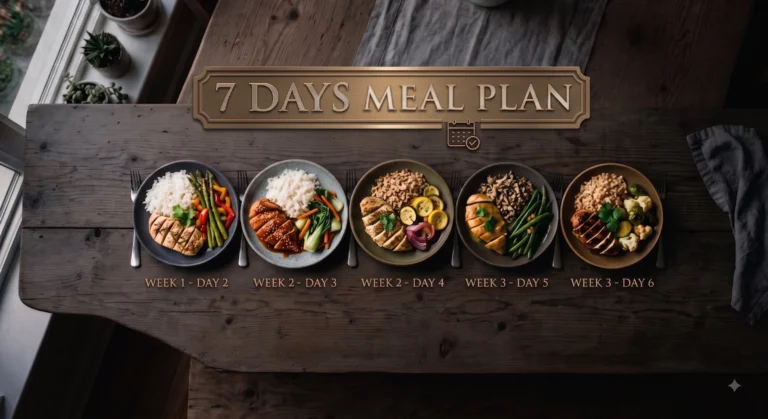
Breakfast could be oatmeal cooked in whole milk with peanut butter and a banana. Mid-morning, have Greek yogurt with almonds and honey. Lunch might be a tuna and avocado sandwich with cheese, plus a glass of fortified milk.
In the afternoon, snack on trail mix or dates. Dinner could be salmon with buttered rice and roasted vegetables in olive oil. Finish with a milkshake or yogurt before bed. This plan is generous, so reduce portions to match your own target.
Build Muscle, Not Just Fat
Extra calories alone can add mostly fat. Strength training two or three times a week directs the surplus toward muscle. Aim for protein at every meal, using eggs, dairy, fish, meat, beans, or tofu.
Weigh yourself weekly. A gain of about 0.25 to 0.5 kg per week is a sensible pace for most adults.
When to Be Careful
These tips suit healthy adults who want to gain weight. People with diabetes, heart disease, kidney problems, or high cholesterol should check with a doctor first. Added sugar, cream, and saturated fat may not suit them.
Unplanned weight loss is different. If you are losing weight without trying, or your appetite stays low for weeks, see a doctor. Fortifying food helps, but it does not treat the cause.
Frequently Asked Questions
How many extra calories do I need to gain weight?
Most healthy adults do well with 300 to 500 calories above maintenance. Use a calculator to find your maintenance level first.
What can I eat if I have no appetite?
Choose small, calorie-dense foods and drinks. Fortified milk, smoothies, nut butter on toast, and cheese snacks are easy starting points. Eat little and often.
Are high calorie foods the same as junk food?
Not always. Nuts, eggs, dairy, oils, and oily fish are calorie-dense and nutritious. Sweets and fried foods add calories with fewer nutrients, so keep them occasional.
Can vegetarians gain weight with this approach?
Yes. Tofu, legumes, nut butters, tahini, avocado, and olive oil cover protein and calories. Dairy and eggs help if you eat them.
Which food has the most calories per gram?
Oils lead with about 9 calories per gram. Butter has about 7, and nuts around 6.
The Bottom Line
Eat more often, choose calorie-dense foods, and fortify meals you already enjoy. Pair this with strength training and steady weekly checks. Patience matters most, since healthy weight gain takes months.
References
- USDA FoodData Central. U.S. Department of Agriculture.
- IARC Monographs Volume 114: Consumption of Red Meat and Processed Meat. International Agency for Research on Cancer, 2018.
- Dietary Guidelines for Americans, 2020–2025. U.S. Department of Agriculture and U.S. Department of Health and Human Services.
Disclaimer: This article is for general informational purposes only and is not intended as medical or dietetic advice. It is not a substitute for professional consultation with a doctor, registered dietitian, or other qualified healthcare provider. Individual nutritional needs vary, and unintentional weight loss, persistent low appetite, or any underlying health condition should always be evaluated by a medical professional before making significant changes to your diet.




One Comment