How to Use Protein Shakes for Healthy Weight Gain
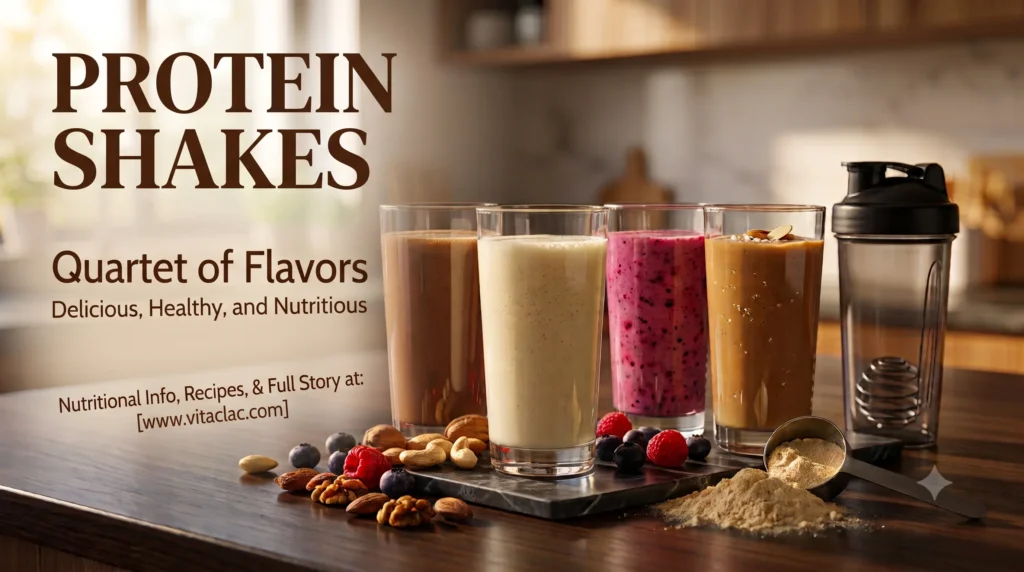
If you’re trying to gain weight and struggling to eat enough through regular meals, protein shakes can genuinely help. They’re quick to make and easy to drink, even when you’re not that hungry. And they pack a lot of calories and protein into one glass. But they’re not magic, and using them the wrong way won’t get you the results you want.
Here’s how protein shakes actually fit into a weight gain plan, and where they tend to fall short.
How Does Weight Gain Actually Work?
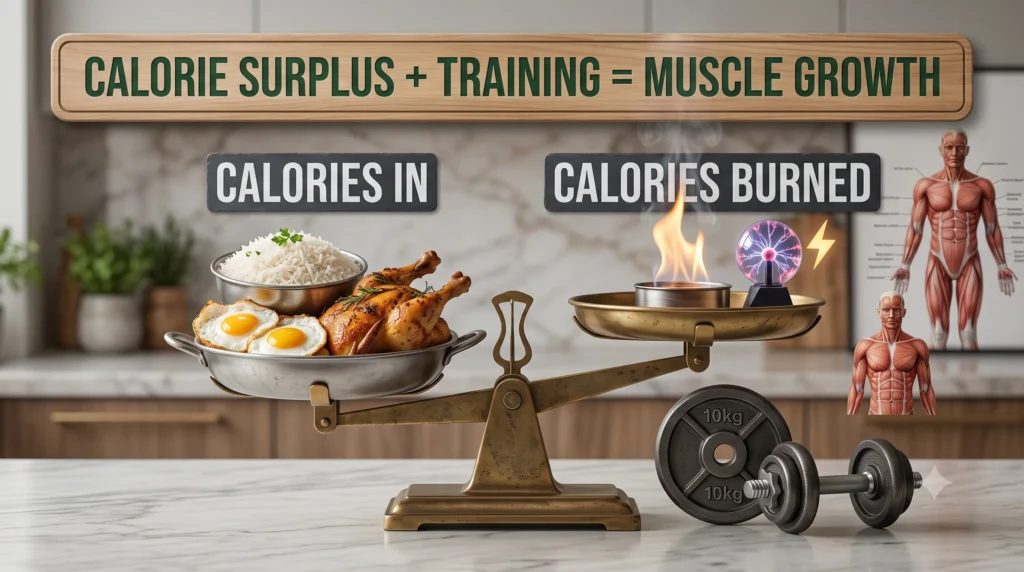
Gaining weight comes down to one basic rule: eating more calories than your body burns. This is called a calorie surplus, and it’s the foundation everything else builds on. Without a surplus, no amount of protein will make you gain weight.
It’s worth being clear about something else too. Drinking protein alone won’t build muscle. Muscle grows in response to resistance training, like lifting weights or doing bodyweight exercises.
Protein simply gives your body the raw material it needs to repair and build that muscle after a workout. Without exercise, extra calories are more likely to end up as fat rather than muscle.
Can Protein Shakes Actually Help You Gain Weight?
Yes, they can, and here’s why they work well for this goal. Protein shakes are calorie-dense and easy to drink quickly. That makes them useful for people who struggle to eat enough food through meals alone. This is especially helpful for anyone with a small appetite or a busy schedule that makes frequent full meals difficult.
That said, a shake works best as one part of a bigger plan, not a replacement for real food. Think of it as a convenient way to close the gap between what you’re eating and what your body actually needs.
Protein Shakes vs. Weight Gainer Supplements: What’s the Difference?
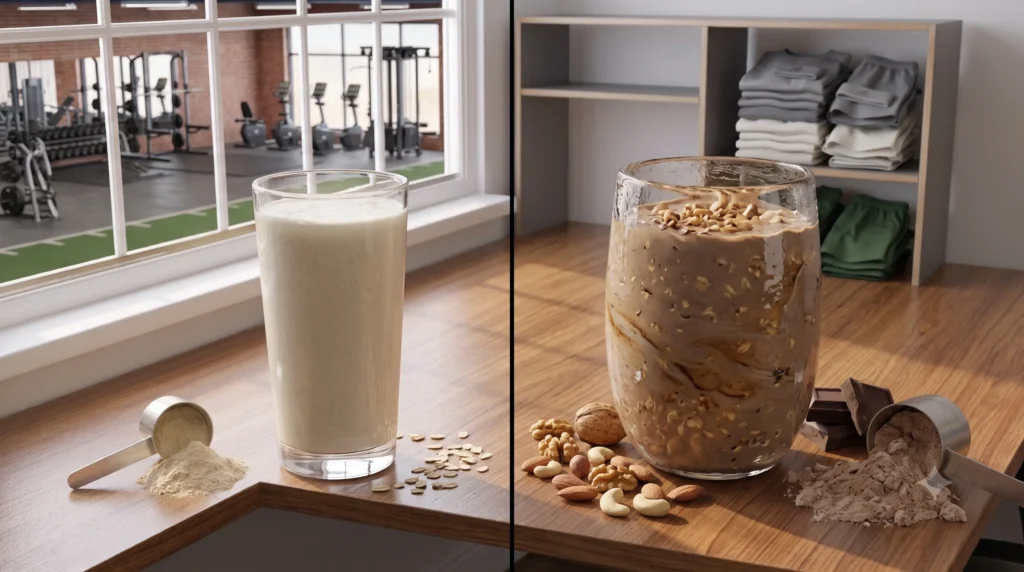
Many people confuse protein shakes with mass gainers, but they’re not the same thing. Protein shakes focus mainly on protein content, with moderate calories. Mass gainers, on the other hand, pack far more calories, often 500 to 1,500 per serving. They include extra carbs and fats alongside protein.
Mass gainers work well for people with very high calorie needs, like hard-gainers or serious athletes. But they can also lead to unwanted fat gain if used carelessly. Protein shakes give you more control over your calorie intake. This makes them a better starting point for most people.
If you’re unsure which one to use, start with a protein shake. Add whole food calories around it first. Only consider a mass gainer if you’re still struggling to hit your surplus after that.
How Much Protein Do You Actually Need?
For general weight gain and muscle building, most people do well with about 1.6 to 2.2 grams of protein per kilogram of body weight each day. For someone who weighs 70kg, that works out to roughly 112 to 154 grams daily.
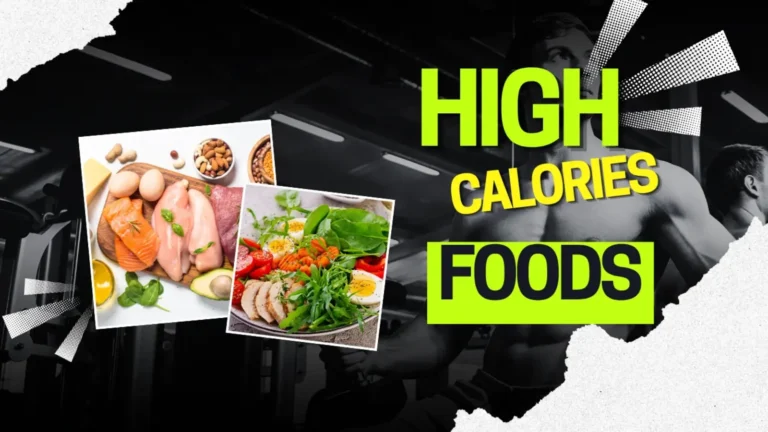
This doesn’t need to come entirely from shakes. Whole foods like chicken, eggs, fish, and dairy should still make up most of your protein intake. Shakes are best used to fill gaps, not to carry your entire protein target on their own.
Best Times to Drink a Protein Shake for Weight Gain
Timing isn’t as critical as total daily intake, but a few windows tend to work especially well. After a workout is one of the most useful times. Your muscles are primed to absorb nutrients for repair and growth during this period.
Between meals is another good option, especially if you’re struggling to hit your calorie target through meals alone. A shake here adds calories without requiring you to sit down for a full meal.
Before bed can help too, particularly with a slower-digesting protein like casein. This provides a steady supply of amino acids overnight. That’s when a lot of muscle repair actually happens.
Simple Protein Shake Ideas You Can Make at Home
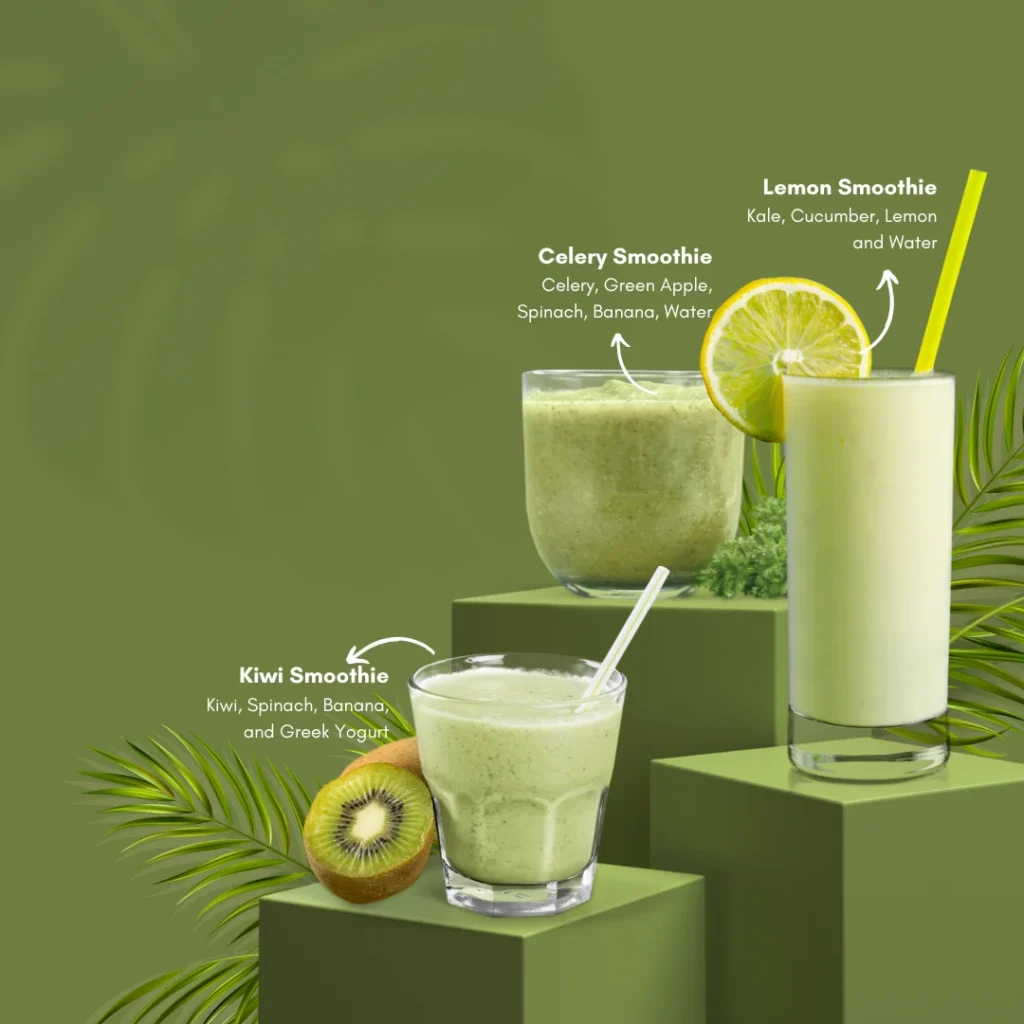
You don’t need fancy ingredients to make an effective weight gain shake. A few reliable combinations work well:

A basic peanut butter banana shake combines milk, a banana, two tablespoons of peanut butter, and a scoop of protein powder. This delivers a solid mix of calories, protein, and healthy fat in one glass.
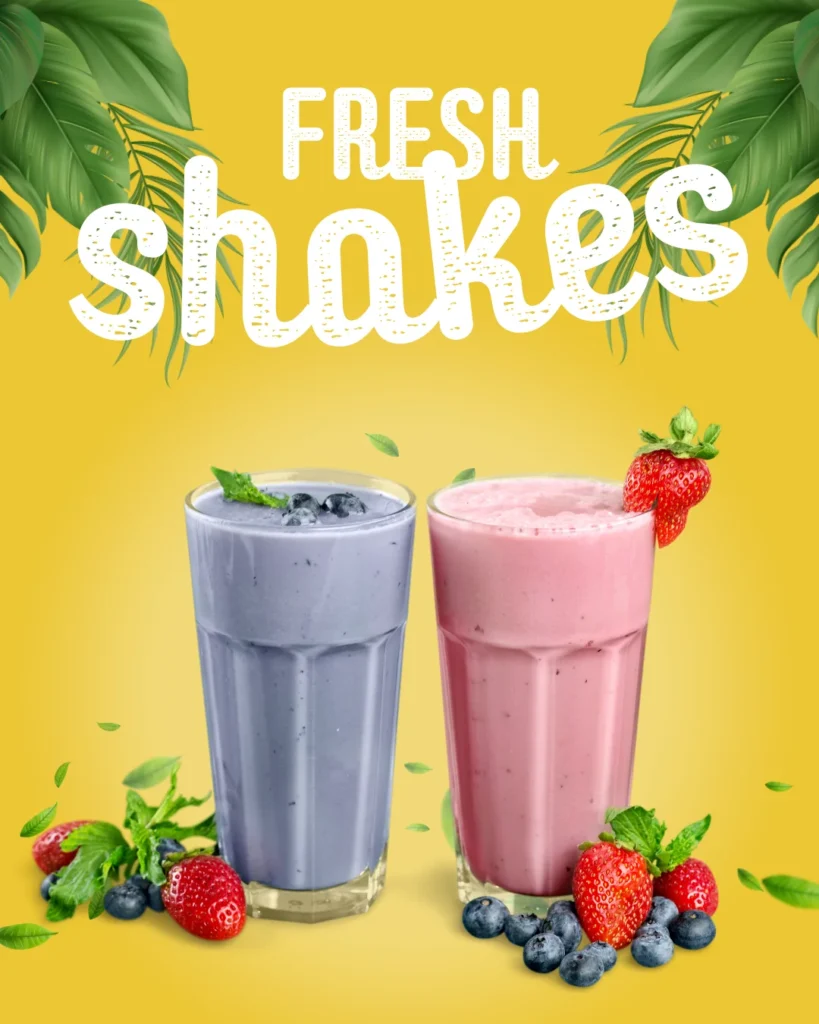
A berry and yogurt shake blends Greek yogurt, mixed berries, milk, and protein powder. This option adds extra protein from the yogurt along with some fiber from the fruit.
A chocolate avocado shake mixes half an avocado, milk, cocoa powder, and protein powder. The avocado adds healthy fats and extra calories without making the shake taste heavy.
An oat and honey shake combines cooked oats, milk, a spoon of honey, and protein powder. The oats add extra carbohydrates, which helps push the total calorie count higher for anyone who needs a bigger surplus.
Possible Downsides of Relying on Protein Shakes
Shakes aren’t without drawbacks, and it’s worth knowing them before you build your plan around them. Bloating is a common issue, especially with whey protein, which some people find harder to digest than other types.
Mis-measured servings are another problem. It’s easy to eyeball a scoop and end up with less protein than you think. This can quietly derail your progress over time. A kitchen scale or the scoop that comes with your protein powder helps keep this consistent.
Some products contain more added sugar or fat than people realize. This can push your calorie intake in an unwanted direction, without you noticing. Checking the label matters here.
Relying too heavily on shakes and skipping physical activity is a mistake too. Without exercise, the extra calories are more likely to end up as fat. That’s the opposite of what most people are hoping to build.
Does the Type of Protein Powder Matter?
The type of protein you choose does make some difference. Whey protein digests quickly and works well right after a workout, making it a popular choice for post-exercise shakes.
Casein protein digests slowly, which makes it a good fit before bed. It provides a steady release of amino acids overnight. Plant-based options, like pea or soy protein, work well for anyone who is vegan or vegetarian, or who simply prefers to skip dairy.
For weight gain specifically, the exact type matters less than simply getting enough total protein and enough total calories. Choose whichever type fits your diet and digests comfortably for you.
Tips for Using Protein Shakes Effectively
A few simple habits make shakes far more effective as part of a weight gain plan. Use shakes to supplement meals, not replace them. Whole foods provide a wider range of nutrients that shakes can’t fully replicate.
Track your total daily calories for at least a couple of weeks. This tells you whether you’re actually hitting the surplus you need. Add calorie-dense ingredients like peanut butter, oats, or full-fat milk to your shakes if you need more calories, rather than just relying on the protein powder alone.
Pair your shakes with regular strength training. This is what determines whether the extra calories build muscle or simply add fat. And be consistent. A shake here and there won’t move the needle much. Daily consistency over several weeks is what actually produces results.
Does the Type of Protein Powder Matter?

Not everyone trying to gain weight needs shakes to get there, and it helps to know where they genuinely make a difference. People with a naturally small appetite often benefit the most, since eating enough solid food to sustain a calorie surplus can feel like a real struggle. A shake solves this by packing calories into something quick to drink rather than something that has to be chewed through.
Busy schedules are another common reason people turn to shakes. If your day doesn’t leave much room for sitting down to a full meal, a shake you can drink in five minutes fills that gap without derailing your routine.
Athletes and people doing regular strength training also tend to benefit, since their protein needs are higher and more frequent than someone who’s mostly sedentary.
On the other hand, if you can comfortably eat enough through regular meals and already hit your protein target with whole foods, shakes become more of a convenience than a necessity. They’re a tool for specific situations, not a requirement for everyone trying to gain weight.
Not sure how many calories you need for healthy weight gain? Use our free Calorie Calculator to find your personalized target.
Bottom Line
Protein shakes can be a genuinely useful tool for gaining weight, especially for people who struggle to eat enough through meals alone. They work best as a supplement to real food, not a replacement for it.
And they only lead to muscle gain when paired with consistent strength training. Pay attention to serving sizes, and choose a protein type that agrees with your digestion. Stay consistent with both your shakes and your workouts.
None of this needs to be complicated. Start with a realistic calorie target, add one or two shakes a day where they genuinely help fill a gap, and build the rest of your intake around whole foods and regular training. Used this way, protein shakes can make a real, measurable difference in reaching your weight gain goals over time.
Disclaimer This article is for general informational purposes only and is not a substitute for professional medical or nutritional advice. Please consult a doctor or registered dietitian for guidance specific to your individual needs. vitaclac.com, its authors, and contributors make no warranties or guarantees regarding the accuracy, completeness, or reliability of the information provided on this site. Any action you take based on the content of this article is strictly at your own risk. We shall not be held liable for any loss, injury, illness, or damage direct or indirect arising from the use of, or reliance on, the information presented here.
Frequently Asked Questions
Find Your Personalized Calorie Target
Know exactly how many calories you need before adding shakes to your routine.
Was This Article Helpful?
Your feedback helps us improve our content. This form is not connected to customer support — for questions, please visit our Contact Us page.



One Comment