How to Lose 80 Pounds Safely: A Complete Plan

Losing 80 pounds is a major goal, and it plays by different rules than a smaller weight loss target. It takes time, patience, and a plan built for the long haul, not a quick fix.
The good news is that it’s absolutely achievable with the right approach. This guide covers what a safe, realistic timeline looks like. It also covers the steps that actually matter, and how to keep the weight off once you get there.
Is Losing 80 Pounds Realistic?
Yes, and for many people, it’s more achievable than it feels at the start. What it really requires is a shift in mindset. This isn’t a goal you’ll reach in a few weeks. It’s a journey measured in months, often a year or more, and accepting that upfront actually makes the process easier. Once you stop chasing shortcuts, you can focus on building habits that genuinely last. Big goals need big timelines, and that’s completely normal.
How Long Does It Realistically Take to Lose 80 Pounds?
A safe, sustainable rate of weight loss is about 0.5-1kg (1-2 pounds) per week. At that pace, losing 80 pounds takes roughly 9-18 months. Your exact timeline depends on your starting weight, activity level, and consistency.
Progress often moves fastest in the first few months, since higher starting weights tend to create a bigger initial calorie deficit. That pace typically slows as you get closer to your goal, which is completely normal and not a sign anything is wrong.
Several factors shape this speed. Starting weight matters, since larger bodies often lose weight faster at first simply because they burn more calories at rest. Activity level plays a role too, though diet still carries more of the weight. Age has some effect as well, since metabolism naturally slows with time, though usually by less than people expect.
Above all, consistency matters most steady, moderate effort sustained over many months will always outperform intense bursts followed by burnout.
The Core Steps to Losing 80 Pounds
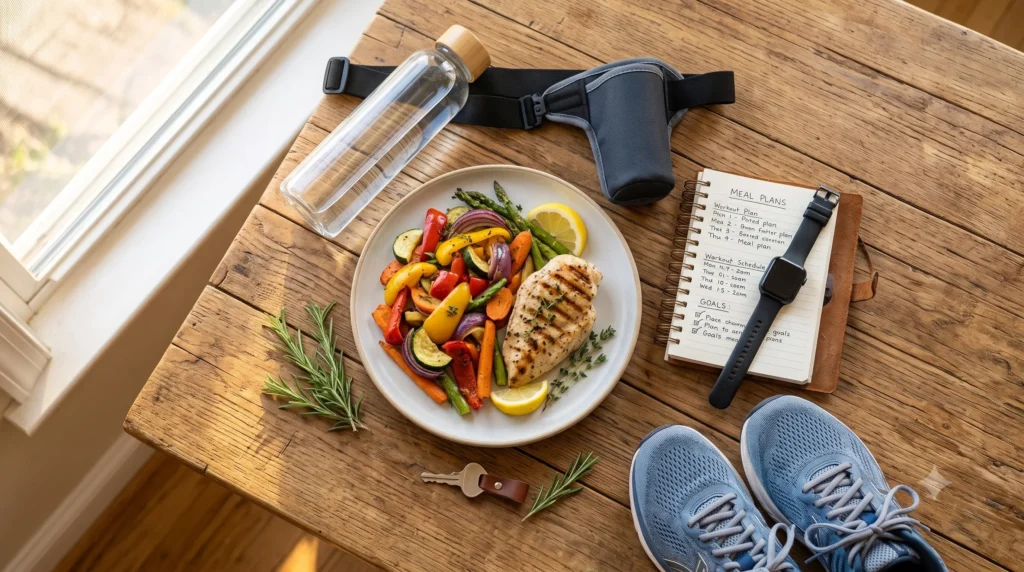
The fundamentals matter more than any specific diet trend:
- Prioritize protein at every meal, from sources like chicken, fish, eggs, beans, and dairy. It keeps you full and helps protect your muscle while you lose fat.
- Add fiber-rich vegetables and whole grains too. They fill you up on fewer calories and add real volume to your plate, which helps meals feel satisfying even in a deficit.
- Move your body daily, even if it’s just walking. A 20-30 minute walk most days can add up to a meaningful difference over months.
- Stay hydrated throughout the day. Thirst is often mistaken for hunger, and many people eat when they’re really just dehydrated.
- Eat mindfully by slowing down and paying attention to your meals instead of rushing through them or eating while distracted. This one shift alone can reduce how much you eat.
- Prioritize sleep. Poor sleep disrupts hunger hormones and makes every other step harder to stick to. Aim for 7-8 hours most nights.
Sample Weekly Structure for a Big Weight Loss Goal
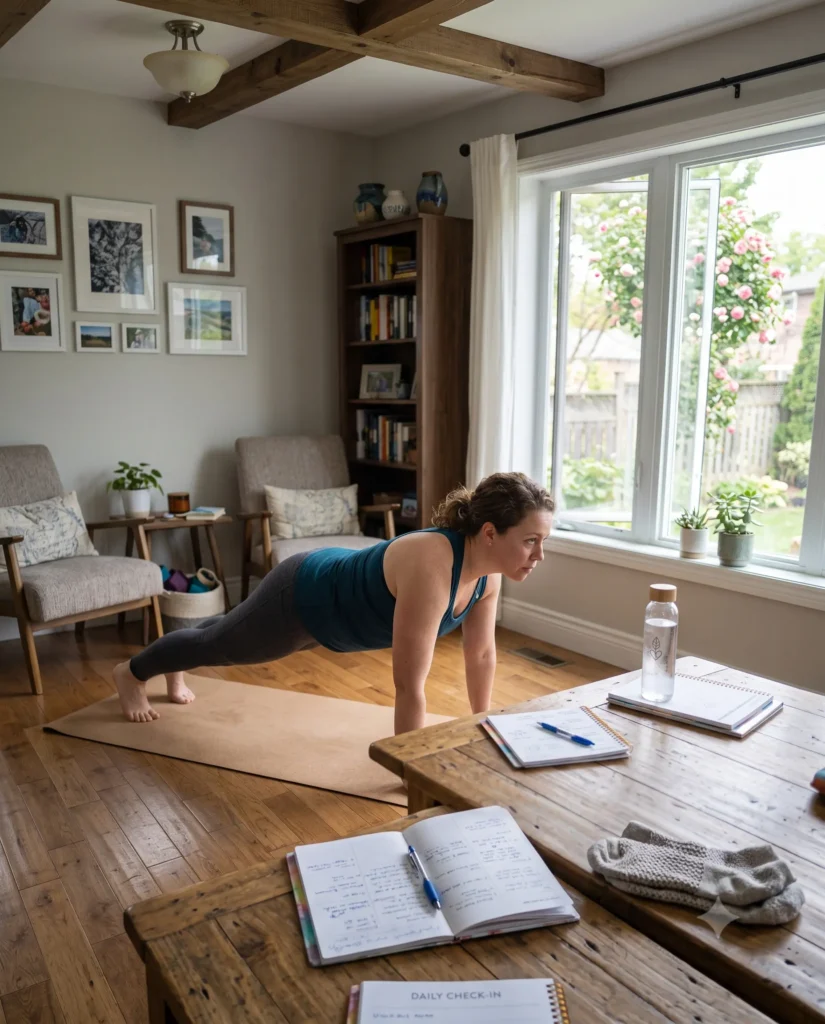
A goal this size benefits from a repeatable weekly rhythm, not a new plan every week. Aim for 4-5 days of moderate exercise, mixing walking, bodyweight strength work, and light cardio. Plan your meals loosely in advance, keeping protein and vegetables at the center of each one. Build in one flexible meal or day each week too, since total restriction rarely holds up over a goal this long.
Weigh yourself once, maybe twice a week, at the same time of day. Daily weigh-ins often cause unnecessary stress over normal fluctuation. Then review your week, adjusting your plan slightly based on what worked and what didn’t, rather than overhauling everything at once.
Common Mistakes When Trying to Lose a Large Amount of Weight
Extreme calorie restriction is one of the biggest mistakes people make. It feels productive in the short term but usually backfires, leading to muscle loss, fatigue, and eventually giving up altogether. Very low-calorie diets are also nearly impossible to sustain for the months a goal like this actually requires.
Expecting a straight line of progress is another common trap. Weight loss naturally slows and plateaus along the way, especially over a journey this long, and a plateau doesn’t mean something is wrong. It usually just means your body has adjusted.
Skipping strength training is a mistake too, since cardio alone won’t protect your muscle mass the way some resistance work will. And comparing your timeline to someone else’s rarely helps starting weight, body type, and life circumstances all vary too much for it to be a fair comparison.
Building Habits That Actually Last
The habits you build along the way matter more than any single week’s results. Focus on habits you could realistically keep doing five years from now, not just for the next month. That might mean choosing a form of exercise you genuinely enjoy instead of one you’re forcing yourself through. Or it might mean learning a handful of simple, healthy meals you can make without much thought.
Small, boring consistency beats dramatic, unsustainable effort every time for a goal this size. The people who keep 80 pounds off long-term are rarely the ones who did anything extreme. They’re the ones who built a routine ordinary enough to actually live with.
When to Consider Medical or Professional Support

For a goal of this size, professional support can make a real difference. A registered dietitian can build a plan around your specific needs and preferences instead of a generic template.
A doctor, meanwhile, can check for underlying conditions, like thyroid issues or insulin resistance, that might be making weight loss harder than it should be.
For some people, especially those with significant health risks tied to their weight, medical options like prescription weight loss medication or bariatric surgery are worth discussing with a doctor. These aren’t shortcuts or signs of failure. They’re legitimate medical tools that work alongside lifestyle changes, not instead of them.
A doctor is best placed to help you understand whether they make sense for your situation.
How to Track Progress Beyond the Scale
The scale is useful, but it’s not the whole picture, especially over a journey this long. Track body measurements every few weeks, like your waist, hips, and arms these often reveal progress even when the scale briefly stalls. Progress photos help too, taken in similar lighting and clothing each month, since gradual changes are easy to miss day to day but obvious once compared side by side.
Pay attention to the non-scale wins as well. Better energy, improved sleep, clothes fitting differently, or simply feeling stronger during everyday activities often show up first, and they’re just as meaningful a sign that things are working.
Simple Meal Ideas to Support the Journey
Knowing the fundamentals is one thing, but actually planning meals day to day is where many people get stuck. You don’t need a complicated meal plan to lose 80 pounds. A handful of go-to meals you can repeat, with slight variation, tends to work better than trying to cook something new every single day.
Breakfast, Lunch, and Dinner
For breakfast, something like eggs with vegetables and a slice of whole grain toast, or oats topped with fruit and a spoon of nut butter, gives you protein and fiber to start the day without much effort. Both are quick, filling, and easy to make even on busy mornings.
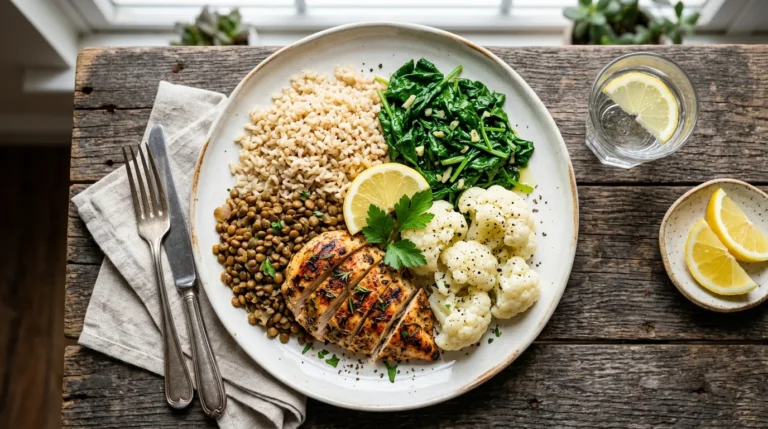
Lunch and dinner can follow a similar, repeatable pattern: a palm-sized portion of protein like chicken, fish, tofu, or beans, paired with a large serving of vegetables and a moderate portion of a carbohydrate like rice, potatoes, or whole grain bread. This kind of “protein plus vegetables plus a carb” formula works across almost any cuisine, which makes it flexible enough to stick with long-term without feeling restrictive.
Snacks and Staying Flexible
Snacks matter too, especially over a journey this long. Reaching for things like Greek yogurt, a piece of fruit, a small handful of nuts, or vegetable sticks with hummus tends to keep hunger in check between meals, without derailing your progress the way highly processed snacks often do.
None of this needs to be perfect. The goal isn’t a flawless diet it’s a realistic one you can actually follow for months at a time, adjusted occasionally based on what you’re craving or what’s available, rather than abandoned the first time it feels inconvenient.
Dealing With Setbacks Along the Way

Over a journey this long, setbacks are almost guaranteed at some point, whether that’s a week of poor eating, a missed string of workouts, or simply losing motivation for a while. How you respond to these moments matters more than whether they happen at all.
The most common mistake after a setback is treating it as proof the whole plan has failed, and either giving up completely or trying to over correct with extreme restriction the next day. Neither response tends to help
A single bad day, or even a rough week, has very little actual impact on an 80-pound goal spread across many months what matters is simply getting back to your normal routine as soon as you can, without turning it into a bigger event than it needs to be.
It can help to identify what triggered the setback in the first place, whether that was stress, a busy period at work, travel, or simply burnout from too rigid a routine.
Adjusting the plan slightly to account for that trigger, rather than blaming yourself, tends to prevent the same setback from repeating. Progress on a goal this size was never going to be a perfectly straight line, and expecting otherwise usually causes more damage than the setback itself.
Summary
Losing 80 pounds is a significant undertaking, but it’s genuinely achievable with a realistic timeline and sustainable habits. Focus on steady progress over many months rather than a quick fix measured in weeks. Build habits you can actually maintain, track more than just the scale, and don’t hesitate to bring in professional support if you need it. The slower, steadier path isn’t just safer — it’s what actually leads to results that last.
Disclaimer This article is for general informational purposes only and is not a substitute for professional medical advice. Please consult a doctor or registered dietitian before starting a significant weight loss plan. Vitaclac.com, its authors, and contributors make no warranties or guarantees regarding the accuracy, completeness, or reliability of the information provided on this site. Any action you take based on the content of this article is strictly at your own risk. We shall not be held liable for any loss, injury, illness, or damage direct or indirect arising from the use of, or reliance on, the information presented here.
Frequently Asked Questions
Plan Your Weight Loss Safely
Determine your personalized daily calorie target to lose weight safely and sustainably.
Was this article helpful?
Your feedback helps us improve our guides. Need support? Reach out via our Contact Us page.






One Comment