Best Exercises for Weight Loss: Burn Calories Faster
The best exercise for weight loss is the one you can keep doing week after week. In this guide you’ll find 6 proven workouts, roughly how many calories each one burns, who each suits best, and exactly how to get started. You’ll also find the habits that make any of them pay off.
There’s no single “magic” workout. Results come from a mix of consistency, decent food choices, and enough rest to recover. Let’s get into it.
Quick Comparison: Which Exercise Burns the Most Calories?
| Exercise | Approx. calories (30 min) | Difficulty | Best for |
|---|---|---|---|
| Brisk Walking | 120-160 | Easy | Beginners |
| HIIT | 250-350 | Hard | People short on time |
| Jump Rope | 300-400 | Hard | Fast calorie burn |
| Cycling | 250-300 | Medium | Joint-friendly cardio |
| Swimming | 200-300 | Medium | Full body, no joint impact |
| Strength Training | 110-200 | Medium | Long-term metabolism |
These are rough estimates for a person weighing about 70 kg. Your numbers will change with your body weight, speed, and intensity. Want a personal figure? Try our Body Calories Calculator.
1. Brisk Walking
The safest place to start, especially if your joints can’t handle anything intense. It needs no equipment, is gentle enough to do daily, is good for your heart, and lowers stress. Walk briskly for 30-45 minutes a day, fast enough to be slightly out of breath but still able to talk. Check your burn with our Walking Calorie Calculator.
2. HIIT (High Intensity Interval Training)
HIIT means short bursts of hard effort with brief rests, so it burns more calories in less time and helps you keep muscle while losing fat. Try this 20-minute round: jumping jacks, squats, and mountain climbers for 30 seconds each, with a 30-second rest after every move. Repeat the cycle 4-5 times. Skip HIIT on back-to-back days, because your body needs time to recover.
3. Jump Rope
Jump rope is cheap, portable, and one of the most underrated calorie-burners, working your legs, arms, and core together. Start with one minute of jumping and 30 seconds of rest, and repeat for 10-15 minutes. Land softly on the balls of your feet to protect your knees, and add time as it gets easier.
4. Cycling
Cycling, outdoors or on a stationary bike, builds leg strength and endurance with low impact on your joints. Aim for 30-45 minutes, four or five days a week. It’s a good pick if running hurts your knees, and a gym bike works just as well when the weather is bad.
5. Swimming
Swimming has zero joint impact and tones your arms, legs, core, and back at once, which suits people with joint or back problems. Water supports your weight, so it’s gentle yet effective. Swim for 30-40 minutes, three to four times a week, and switch between freestyle and breaststroke to work different muscles.
6. Strength Training
Muscle uses more energy than fat, even at rest, so strength training helps keep your metabolism up and makes results last. Do three sessions a week of squats, deadlifts, push-ups, and dumbbell work, with a rest day between them. If you’re new, start light and focus on form before adding weight.
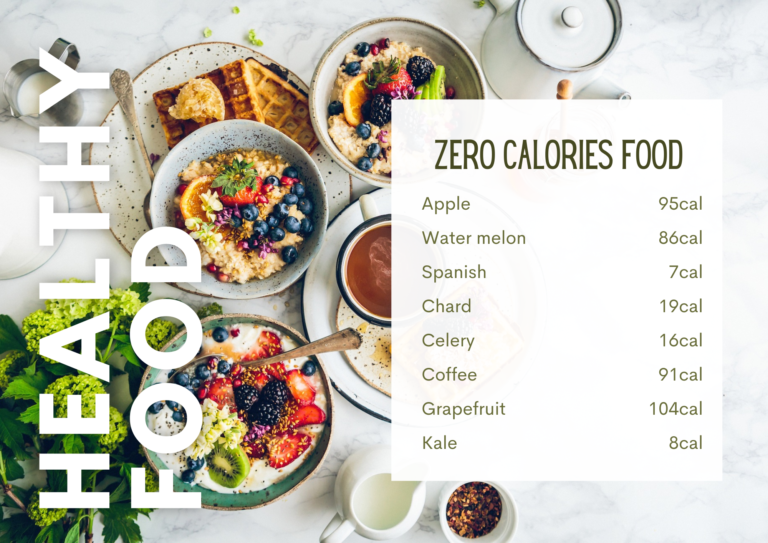
Pairing your workouts with the right food matters most. Check your meals with our Food Calories Calculator or read our High-Protein Diet Plan for Weight Loss.
Which Workout Is Best for You?
Short on time? Choose HIIT or jump rope. Dealing with joint pain? Choose swimming or cycling. New to exercise? Start with brisk walking and build from there. Whatever cardio you pick, add strength training for results that last.
Beginner Weekly Plan
Here is a simple 7-day plan you can start this week. Adjust the times to your fitness level.
| Day | Workout | Time |
|---|---|---|
| Monday | Brisk walking | 30-40 min |
| Tuesday | Strength training (bodyweight or dumbbells) | 30 min |
| Wednesday | Cycling or swimming | 30 min |
| Thursday | Rest or an easy walk | 20 min |
| Friday | HIIT | 20 min |
| Saturday | Strength training | 30 min |
| Sunday | Rest | – |
Want a longer plan? Try our 30-Day Weight Loss Challenge.
Smart Tips for Faster Weight Loss
Fix your diet first. One bad meal can undo an hour of exercise. Build a balanced, protein-rich plate with plenty of vegetables, since protein keeps you full and helps protect muscle.
Drink water and sleep 7-8 hours. Dehydration hurts your workouts, and poor sleep can raise hunger hormones so you eat more without meaning to.
Stay consistent. Working out 4-5 times a week, every week, beats occasional extreme sessions. Pick a fixed time each day so it becomes a habit.
Track more than the scale. Water retention and muscle gain change the number, so also track your waist, hips, progress photos, and how your clothes fit. Our Weight Loss Calculator helps too.
Set a realistic goal. A safe target is 0.5-1 kg a week. Turn it into a daily calorie target with our Calorie Calculator.
Rest and progress gradually. Take 1-2 rest days a week, warm up for 5-10 minutes, and slowly add weight, reps, or sets to avoid plateaus and injury.
Enjoy what you do. The best workout is the one you’ll stick to, so try dancing, sports, or cycling until something feels less like a chore.
Common Mistakes to Avoid
Doing only cardio. Without strength training you can lose muscle along with fat, which pulls your metabolism down.
Copying someone else’s routine. A plan that suits a friend may not suit your fitness level or joints, so start easy and adjust as you improve.
Ignoring food. It is easy to eat back the calories you burned, so watch your meals, not just your workouts.
Quitting too early. Visible changes usually take several weeks, so judge your progress over a month, not a few days.
Frequently Asked Questions
What is the best exercise for weight loss?
HIIT and jump rope burn the most calories in the least time, while walking, cycling, and swimming are easier to keep up. The best one is the one you enjoy enough to repeat.
How long should I exercise to lose weight?
Most people do well with 30-45 minutes on 4-5 days a week. The WHO recommends at least 150 minutes of moderate activity weekly for general health.
Can I lose weight with exercise alone?
It’s possible but slow, because it’s easy to eat back the calories you burn. Exercise plus sensible food choices works far better.
What is the best home exercise with no equipment?
Squats, push-ups, mountain climbers, and jumping jacks all work well. A jump rope adds intensity cheaply.
Conclusion
Combine the right workout with consistent effort and decent food choices, and results follow. Pick one that fits your body, fitness level, and schedule, then turn it into a habit. Weight loss is a marathon, not a sprint. Curious how much you burn on a normal day? Read How Many Calories Do You Actually Burn in a Day?
Sources
- World Health Organization (WHO): Physical activity fact sheet
- Centers for Disease Control and Prevention (CDC): Physical Activity for a Healthy Weight
- Harvard Health Publishing: Calories burned in 30 minutes for people of three different weights
Disclaimer
This content is for general informational and educational purposes only and should not be considered medical advice. Please consult your doctor or a qualified healthcare professional before starting any new exercise or weight loss program, especially if you have any pre-existing health conditions. This information is not a substitute for professional medical diagnosis or treatment.
Start Your Weight Loss Journey Today
Pair your workouts with the right nutrition plan and know your numbers first.