1300 Calorie Diet Plan: A Simple 7-Day Guide
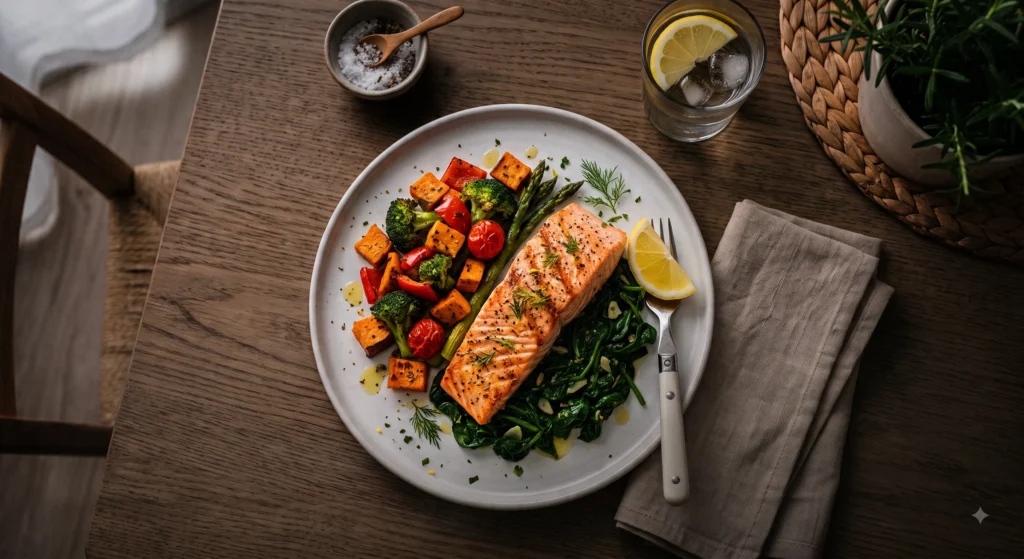
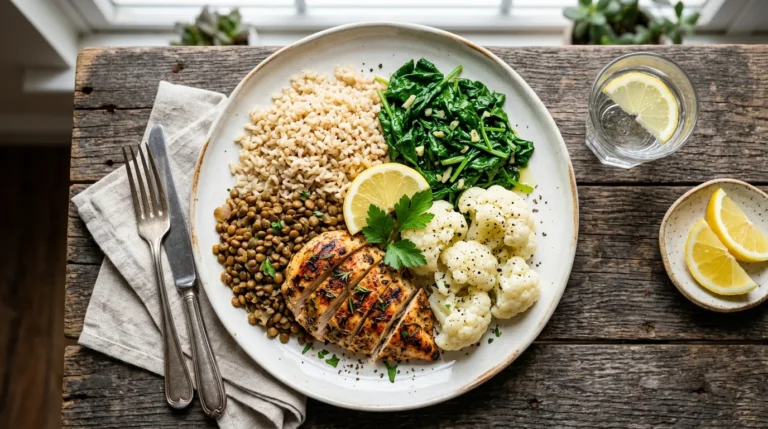
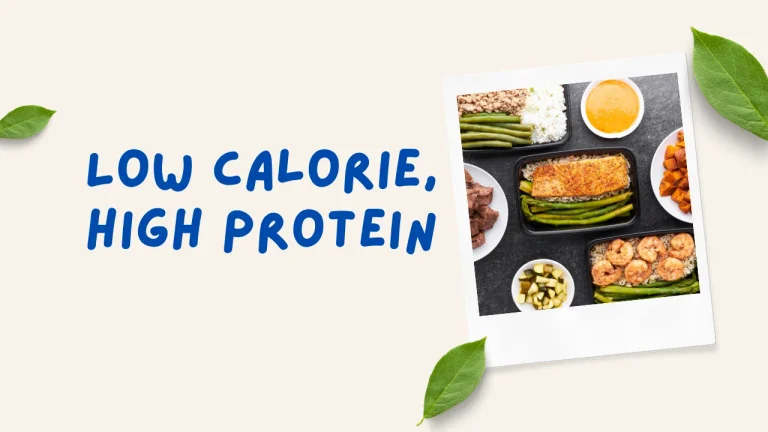
A 1,300 calorie meal plan is a moderate weight-loss approach that works well for people who don’t need or want an extreme calorie cut.
It’s low enough to create a steady deficit, but high enough that you’re not constantly hungry or missing key nutrients provided the meals are planned properly.
This guide breaks down who this plan suits, what a full week of eating looks like, how to shop for it, and the mistakes that quietly derail most people trying it..
Who Should Try This Plan
This calorie level isn’t right for everyone. It tends to work best for:
- Smaller-framed or shorter individuals with lower daily energy needs
- People with a mostly sedentary lifestyle (little to no structured exercise)
- Anyone who has plateaued on a higher-calorie plan and needs a short reset
It’s generally not a good fit, though, for:
- People who exercise 4+ times a week or do intense training
- Most men, who typically need a higher calorie floor
- Anyone with a history of disordered eating
First-time dieters usually find it easier to stick with the plan if they start higher and step down later, rather than jumping straight into a low-calorie target.
Individual health needs vary so much that if you have a medical condition, are pregnant or breastfeeding, or manage diabetes or another chronic illness, it’s worth checking with a doctor or registered dietitian before starting any calorie-restricted plan.
How Many Calories Do You Actually Need?
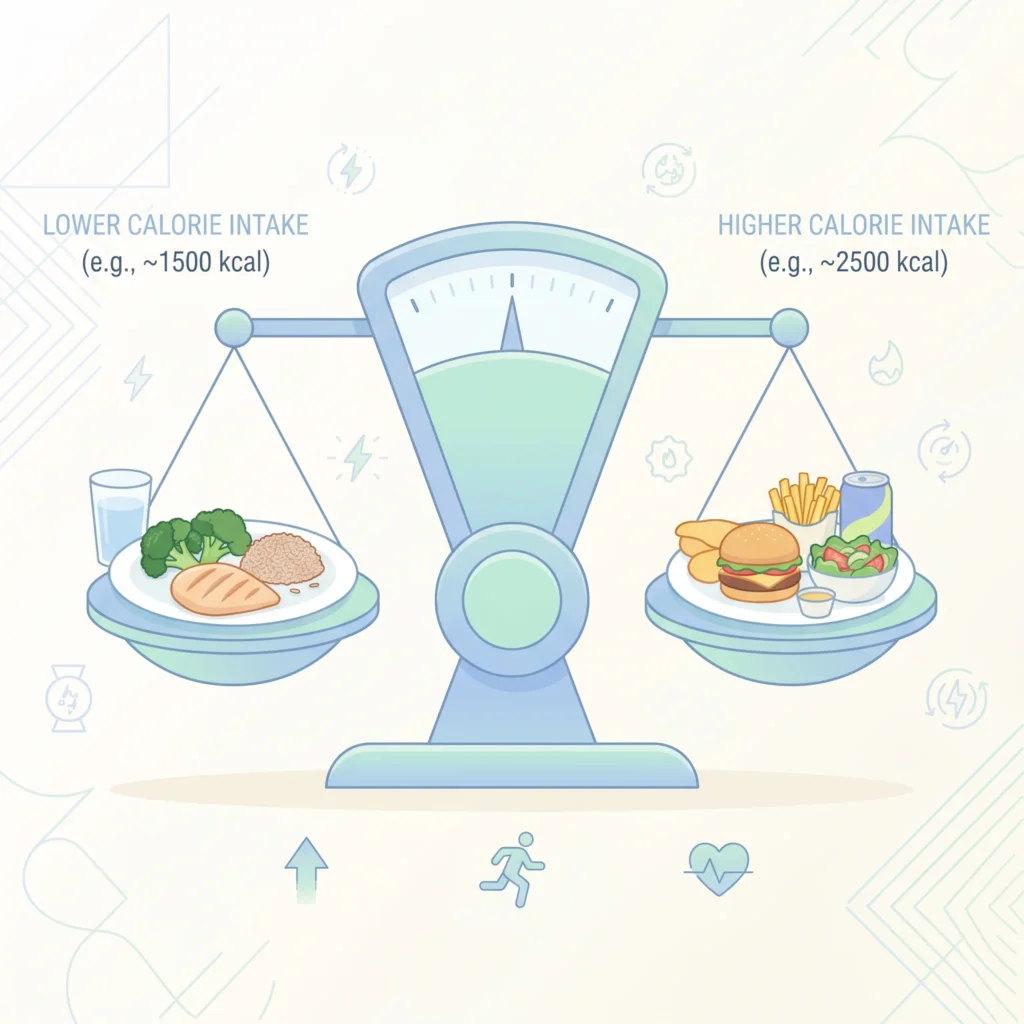
Daily calorie needs swing a lot depending on age, body size, and activity level. As a rough guide, women typically need 1,600–2,400 calories, while men usually sit higher, often above 2,000.
A 1,300 calorie plan sits noticeably below either window, and that’s the point. It works best as a short, focused push, not something to live on indefinitely.
A good rule of thumb: follow this plan for 6 to 8 weeks at a time, then take a one- to two-week break at a higher, maintenance-level calorie intake. That break isn’t optional, since staying in a deep deficit for too long can slow the metabolism a common reason weight loss stalls the longer someone stays on a restrictive plan.
The 7-Day Meal Plan
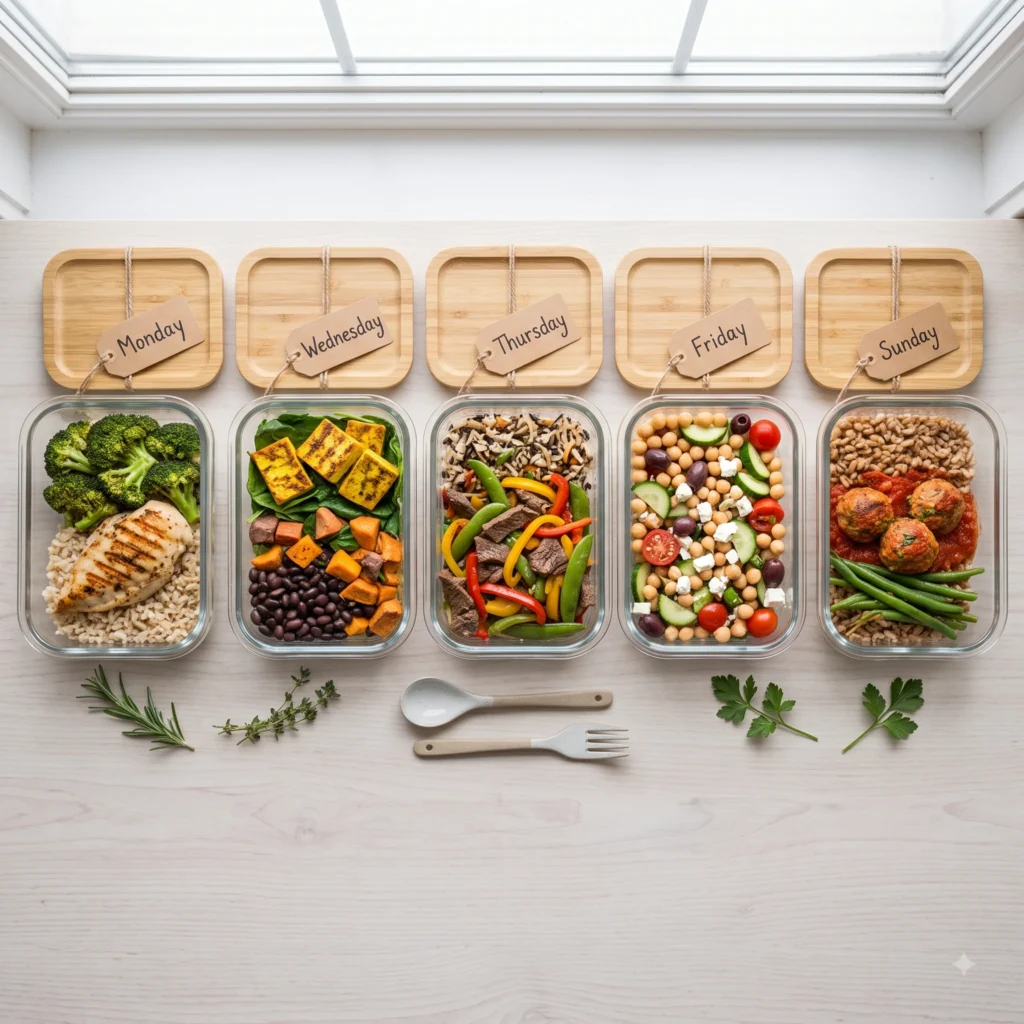
Each day below sits close to 1,300 calories and includes three meals plus a snack, with rough portion sizes so you’re not guessing. Use these as a starting point a few grams up or down won’t make a real difference.
Monday
| Breakfast | ¾ cup Greek yogurt topped with ½ cup mixed berries and 1 tbsp nut butter. |
| Lunch | ¾ cup cooked chickpeas with 1 cup roasted vegetables, finished with 1 tsp tahini mixed with lemon juice. |
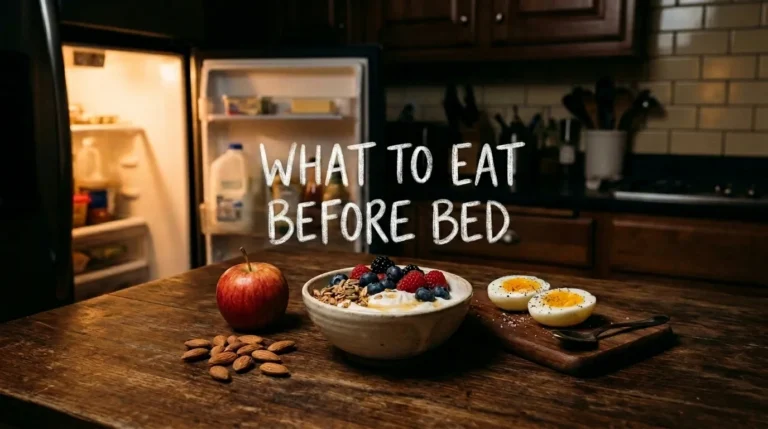
| Snack | An apple with 10–12 almonds. |
| Dinner | 4 oz pan-seared salmon with 1 cup sautéed spinach and one small baked potato. |
Tuesday
| Breakfast | Veggie omelet (2 whole eggs + chopped vegetables) with one slice whole-grain toast. |
| Lunch | Wrap: one whole-grain tortilla, 3 oz turkey breast, 2 tbsp hummus, sliced cucumber. |
| Snack | ½ cup cottage cheese with ½ cup pineapple chunks. |
| Dinner | 4 oz shrimp with 1 cup mixed vegetables and ½ cup cooked rice, tossed with ginger. |
Wednesday
| Breakfast | Overnight oats: ½ cup rolled oats, 1 tbsp chia seeds, half a sliced banana. |
| Lunch | 4 oz shredded chicken over greens with ¼ cup roasted corn and a spoonful of salsa. |
| Snack | Carrot and celery sticks with 2 tbsp hummus. |
| Dinner | One herb-roasted chicken thigh with ½ cup mashed sweet potato and 1 cup green beans. |
Thursday
| Breakfast | Smoothie: spinach, one scoop protein powder, ¾ cup mixed berries, water or milk. |
| Lunch | 1½ cups lentil soup with a small side salad. |
| Snack | A boiled egg and a medium orange. |
| Dinner | 4 oz baked cod with 1 cup steamed vegetables and ⅓ cup cooked couscous. |
Friday
| Breakfast | ½ cup cottage cheese with one sliced peach. |
| Lunch | ¾ cup chickpeas with 1 cup mixed vegetables and tahini dressing. |
| Snack | Two rice cakes topped with 1 tbsp peanut butter. |
| Dinner | 4 oz lean beef strips stir-fried with 1 cup bell peppers, served over ½ cup rice. |
Saturday
| Breakfast | Two scrambled eggs with a handful of spinach and one slice of toast. |
| Lunch | Two small tacos: 4 oz grilled shrimp with a light cabbage slaw. |
| Snack | ¾ cup Greek yogurt with a few chopped walnuts. |
| Dinner | 4–5 turkey meatballs in ½ cup marinara sauce, served over zucchini noodles. |
Sunday
| Breakfast | 1 cup whole-grain cereal, ½ cup milk, and half a banana. |
| Lunch | Shredded chicken simmered with carrots, celery, and light broth (about 1½ cups). |
| Snack | Cucumber slices with 2 tbsp tzatziki. |
| Dinner | 4 oz baked tilapia with 1 cup asparagus and ⅓ cup cooked quinoa. |
A simple trick for making this easier: repeat 3–4 of these meals across the week instead of cooking something new every day. It cuts prep time in half without making the plan feel repetitive.
Approximate Daily Macros
- Calories: ~1,300 per day
- Protein: 70–90 grams
- Carbohydrates: 110–130 grams
- Fat: 45–60 grams
Protein is the number worth watching most closely. It’s easy to let protein slip too low at this calorie level, and doing so can speed up muscle loss during weight loss. If you’re active or strength training even lightly, aim for the higher end of that protein range swap a starchy side for extra chicken, fish, tofu, or Greek yogurt when you can.
Grocery List
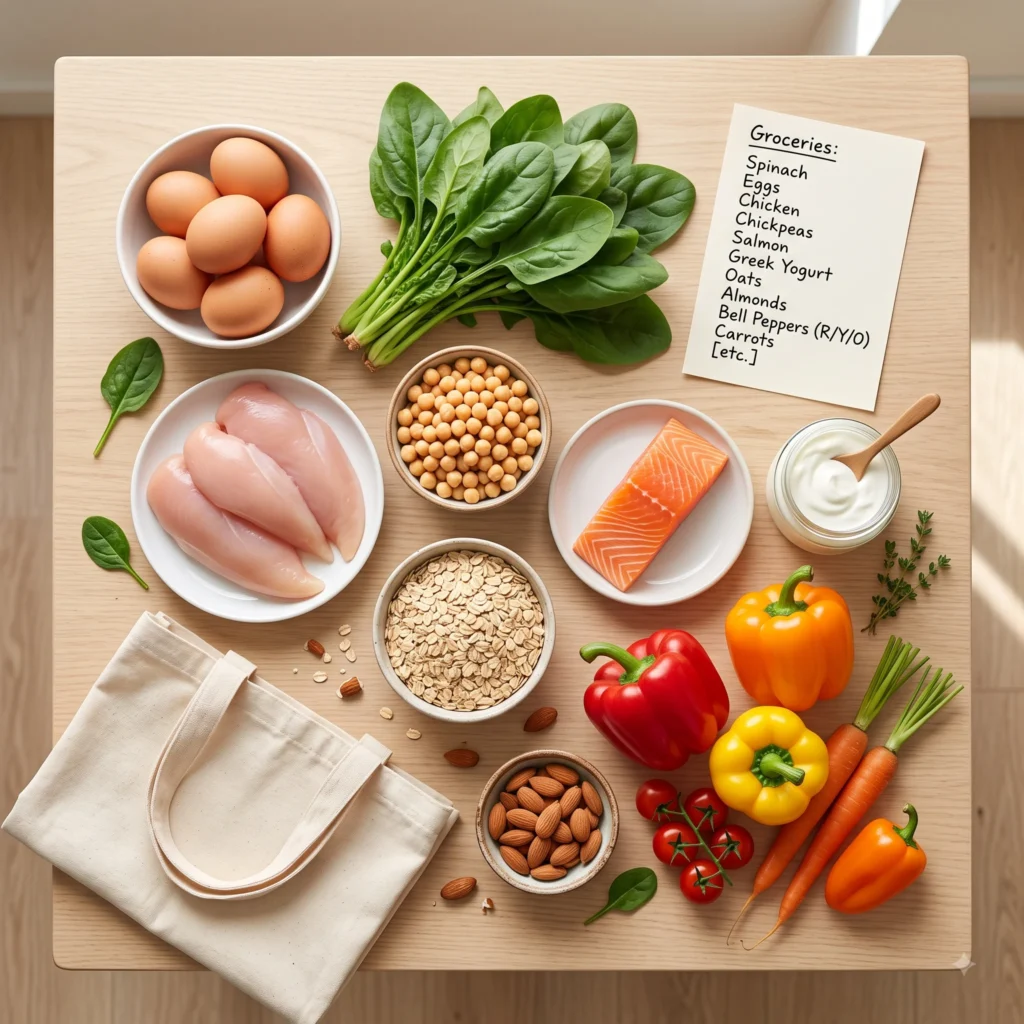
Shop by category to keep trips quick and avoid impulse buys.
Proteins: Eggs, chicken breast, turkey, salmon, cod, tilapia, shrimp, tofu, Greek yogurt, cottage cheese, lentils, chickpeas
Carbs: Oats, brown rice, quinoa, whole-grain bread, whole-grain crackers, sweet potatoes, couscous
Produce: Spinach, mixed greens, broccoli, zucchini, bell peppers, cucumber, carrots, celery, berries, banana, apple, orange, peaches, pineapple
Fats & Extras: Olive oil, almonds, walnuts, peanut butter, tahini, avocado, hummus
Pantry Staples: Marinara sauce, low-sodium soy sauce, herbs and spices, lemon
How to Adjust the Plan for Your Life
This plan is a template, not a rule-book. Here are a few easy ways to adapt it:
- Too hungry? Add more non-starchy vegetables first since they’re low-calorie but filling before adding more starch or fat.
- Not enough energy for workouts? Shift a starchy carb serving to earlier in the day, around your training time.
- Meals feel repetitive? Rotate two or three dinner options weekly instead of trying to make every day different — after all, most people don’t need that much variety to stay consistent.
- Want it higher calorie? Add avocado, nuts, or a slightly larger grain portion.
- Want it lower calorie? Trim added fats and starches first, not protein.
Common Mistakes That Slow Down Results
Skipping the diet break: Staying at 1,300 calories for months without a break usually backfires — hunger increases, energy drops, and weight loss stalls as the body adapts.
Letting protein drop too low: This is the fastest way to lose muscle instead of fat. Keep a protein source in every meal.
Not shopping with a list: Walking into a grocery store hungry and without a plan is how most diets get derailed in a single trip.
Doing this while training hard: If you’re exercising intensely more than a few times a week, 1,300 calories usually isn’t enough to recover properly you’ll likely feel it in your sleep, mood, and performance within a couple of weeks.
Repeating the exact same meals for too long: A little variety, even just rotating a few recipes, makes a big difference in whether people actually stick with a plan.
Disclaimer Talk to a doctor or registered dietitian before starting this plan especially if you have a health condition, are pregnant or breastfeeding, manage a chronic illness such as diabetes, or are trying calorie-restricted eating for the first time.vitaclac.com, its authors, and contributors make no warranties or guarantees regarding the accuracy, completeness, or reliability of the information provided on this site. Any action you take based on the content of this article is strictly at your own risk. We shall not be held liable for any loss, injury, illness, or damage direct or indirect arising from the use of, or reliance on, the information presented here.
Frequently Asked Questions
Plan Your Weight Loss Safely
Determine your personalized daily calorie target to lose weight safely and sustainably.
Was this article helpful?
Your feedback helps us improve our guides. Need support? Reach out via our Contact Us page.