Yoga for Muscle, Strength & Recovery
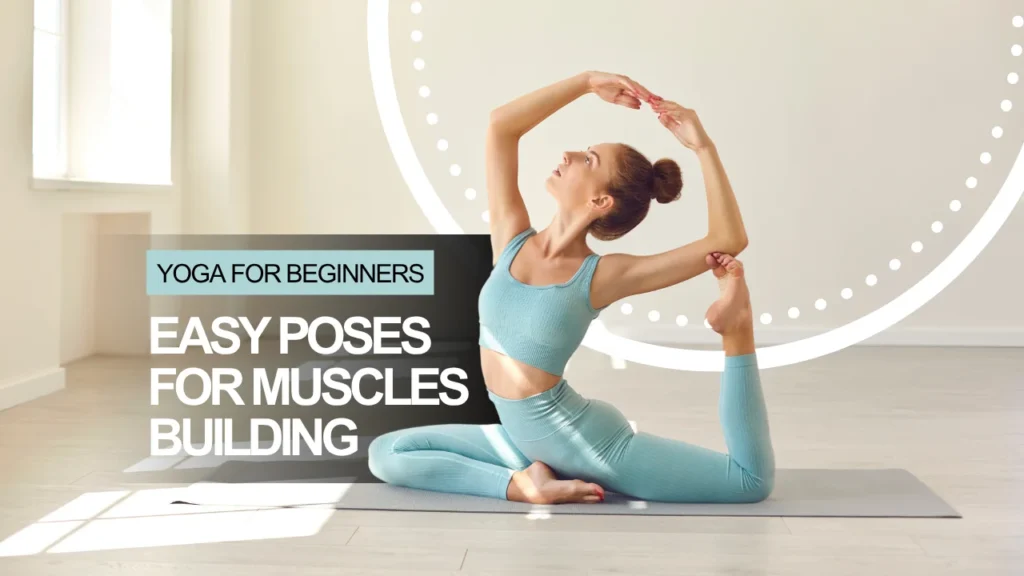
Most people underestimate how much a mat workout can demand even lifters who grind through heavy sets all week still get wrecked by a single round of Chaturangas, sweat dripping before the third rep even lands.
Fitness-focused yoga isn’t the soft, breathing-only session it’s often marketed as on social media. A Handstand hold, arm-balancing postures, or 15 breaths held steady in Crow Pose make it clear that raw intensity and inner calm aren’t opposites at all.
Experts back this up too. Denis Morton, a Peloton yoga instructor, and Raymond Agostino, a physical therapist at Agostino Athletics, both agree that strength training and yoga aren’t competing disciplines they’re complementary ones, each filling gaps the other leaves behind. Pairing resistance training with Warrior poses and isometric holds like Chair Pose gives you compounding benefits: better performance, quicker recovery, and more durable longevity over time.
Bodybuilders chasing mass often assume only iron builds real tissue. In reality, targeted yoga work contributes its own meaningful share of hypertrophy mobility and flexibility aren’t a consolation prize here, they’re part of what actually lets you build muscle and keep it long-term.
Does Yoga Build Muscle?
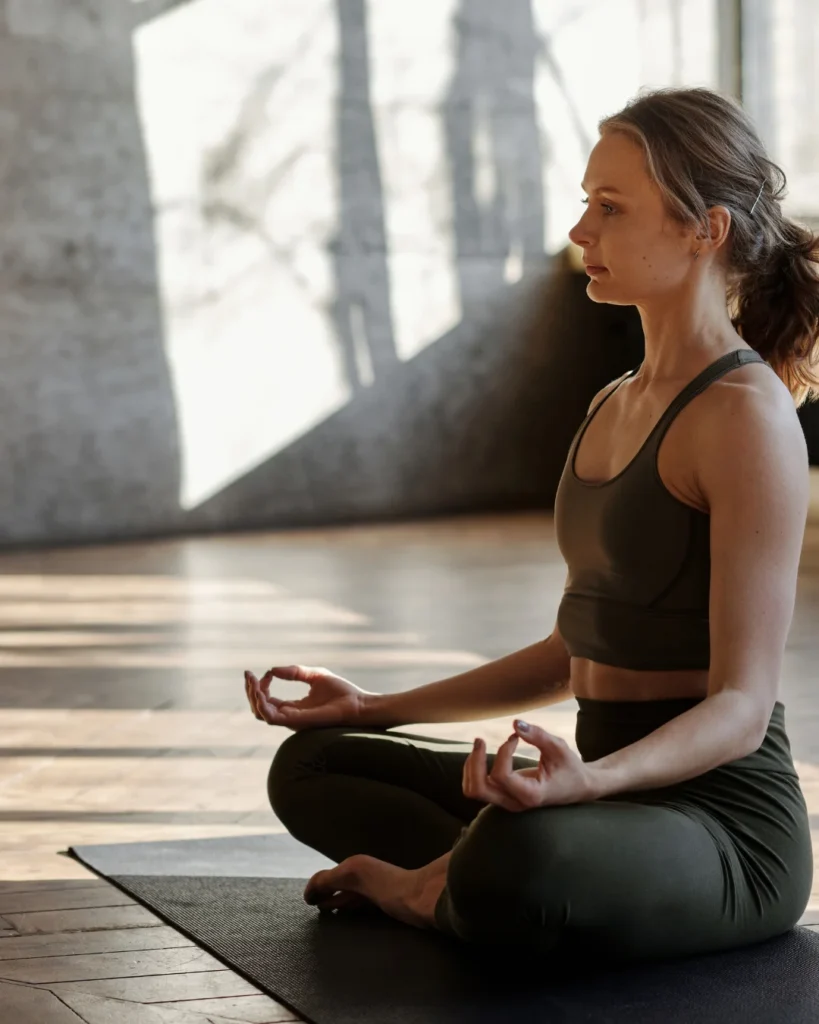
The same microscopic tears that drive growth under a barbell happen under a held lunge or squat. That deep burn is real muscle damage, and your body repairs it stronger the same mechanism behind skeletal muscle hypertrophy, where myosin filaments get added to each fiber using oxygen and ATP as fuel.
Yoga triggers this through isometric contractions, such as Plank and Warrior, and eccentric movements, like the slow, controlled descent into Chair Pose.
Together, these create the mechanical stress your body reads as a repair signal. Faster styles like Power Yoga and Ashtanga layer in metabolic stress too, pushing gains through a completely different pathway.
Full-body engagement is baked into most flows, so shoulders, biceps, legs, back, core, and glutes all get recruited in a single session. Regular practitioners develop functional strength and core stability almost as a side effect of consistent practice, while proper warm-ups and cool-downs build real, injury-free endurance over months of training.
Results scale with bodyweight, genetics, and effort though regularity matters more than any of those factors combined.
Should Yoga Replace Strength Training / Is Yoga Enough
If maximal strength or serious hypertrophy is the goal, yoga alone won’t get you there. Weight lifting offers progressive overload the real engine behind muscle growth and explosive power and no amount of posing replaces loading more plates onto the bar each week.
That said, “not enough for maximal gains” doesn’t mean “not enough, period.” For functional strength, yoga can stand entirely on its own, building balance, coordination, range of motion, and long-term joint health. Paired with lifting, it becomes excellent cross-training, protecting against age-related decline and covering the mobility work most strength programs quietly neglect.
What actually determines results, though, has less to do with poses and more to do with the basics diet, sleep, and stress management. Hydration and real warm-ups prevent the nagging injuries that stall bodybuilders mid-program. Yoga supports all of this through steady mobility work and consistent mindfulness, filling gaps a strength routine alone never quite reaches.
Combining Yoga With Strength Training
Instead of treating yoga as a separate hobby bolted onto lifting, weave it directly into training. For example, use it as bookends: sun salutations to warm up, then a cool-down to close. As a result, this drives activation through the hips and upper back, sharpens movement efficiency, and corrects long-broken patterns.
Consequently, core strength and endurance climb, along with injury prevention and better joint mobility. Additionally, mindfulness cuts stress eating, which supports genuine emotional wellbeing alongside physical gains.
Structuring the Combination Around Your Goal
Start by building the dose around your specific goal. If functional strength is the target, aim for 45–60 minutes of yoga several times a week, tracked against fixed benchmarks like extending a vinyasa flow a little further each session or pushing Plank holds past the previous week’s mark.
If maximal strength sits higher on your priority list, flip the ratio entirely: lift as the main event, and use yoga purely as cross-training for flexibility and recovery on the side. Either way, you gain mind-body-breath awareness, plus attention to fascia, balance, and the deep stabilizing muscles most strength training ignores altogether.
Muscle-Building Yoga Poses
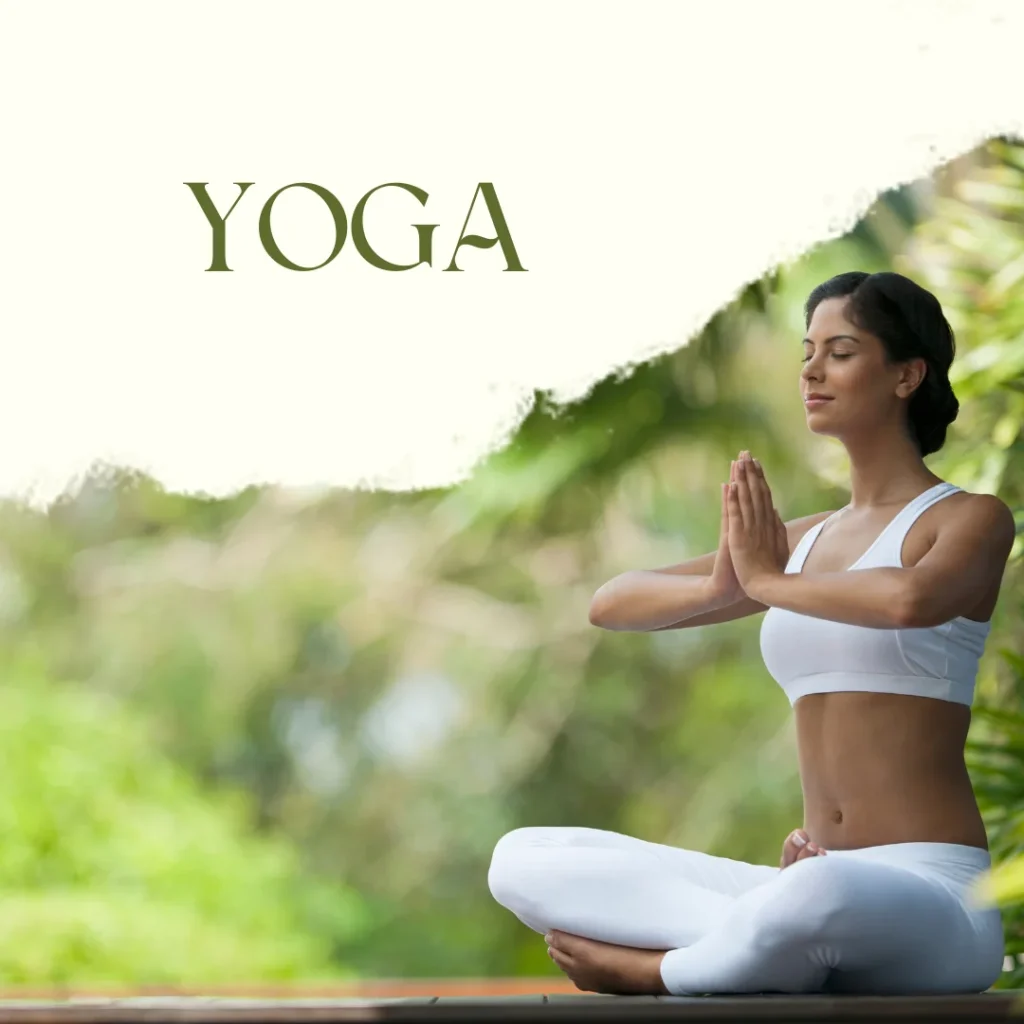
Five poses do most of the job. Plank Pose builds total-body core control, while Chaturanga drives that same shape into the triceps, bridging naturally into Upward-Facing Dog.
Chair Pose (Utkatasana) hits the quads and glutes while also training ankle mobility along the way. Warrior 2 and Warrior 3 go further still, demanding hamstring flexibility, isometric engagement, and real balance under fatigue.
Round things out with Dolphin Pose for shoulder flexibility, since it carries over directly to handstands and Crow along with Goddess Pose, Warrior 1, and Shoulder Bridge, which together build whole-body engagement across every major muscle group.
As a beginner, prioritize form over depth every single time. Count breaths instead of racing the clock, keep knees down if Plank starts to sag, and chase a long, elongated back on every single rep.
Can You Be A Bodybuilder & Do Yoga?
Yes — in fact, it’s one of the lower-friction additions to a lifting schedule. Because it takes just 15–30 minutes, it fits around existing training without disrupting it.
Lifting builds the muscle and stamina that make yoga easier, while yoga in turn returns strength, mobility, and faster recovery. Because of that mutual benefit, fold it into your routine rather than treating it as separate.
3 Reasons Why Bodybuilders Turn To Yoga
Injury prevention comes first. Training under a qualified teacher and respecting your own limits protects against the kind of career-ending damage that ends athletic careers early. Recovery is the second draw: better circulation and faster lactic acid clearance, driven by consistent stretching paired with proper hydration and rest.
The physical case is backed by solid research too. A study of adults aged 45–59 showed measurable improvement in strength, endurance, and flexibility across curl-up, push-up, and sit-and-reach tests. Poses like Pigeon and Dolphin directly counter the age-related stiffness that creeps in over the years.
Is Yoga Enough To Maintain Muscle Mass?
Chasing weight and duration increases too fast, without enough rest built in, stalls growth instead of building it further. Consistency paired with proper strength training beats aggression every single time.
Balance is the real struggle here specifically, managing recovery and fitting warm-up and cool-down time into an already packed day. For beginners especially, the biggest barrier often isn’t physical at all, it’s courage. Finding the right instructor solves more of that hesitation than any amount of willpower does on its own.
Which Yoga Is Best For Bodybuilding?
Not every style suits a lifter equally. Bikram Yoga delivers real intensity, but it offers minimal modification for anyone dealing with inflexibility. Hatha leans on postures over flow, which suits a different kind of practitioner entirely. Man Flow Yoga-style workouts, with their strength-focused sequencing, tend to map best onto real fitness goals for someone coming from a lifting background.
5 Reasons Why Bodybuilders Lose Their Gains Fast
Gains loss is usually five small mistakes stacked together over time: skipping warm-up or cool-down, constantly shifting goals and maxes, low training intensity, mismanaging muscle groups across sessions, and simply not doing enough sets each week. The last one is the quietest killer of them all, since you won’t notice it until progress has already quietly stalled.
Yoga & Bodybuilding: How To Maintain Your Muscle Mass
Nutrition carries more weight here than most training plans ever admit. Cut alcohol, sugar, and fried foods first, and build meals instead around real protein fish, chicken, lentils, and pinto beans. Layer in solid resistance training on top of that foundation, stay serious about hydration (eight 8-ounce glasses daily, minimum), and keep every workout mindful rather than mechanical.
Common Bodybuilder Calorie Burns & Diet Why Yoga Helps Digestion

Building muscle raises calorie and energy needs, and that real strain builds up on the gastrointestinal tract, sometimes causing gas and bloating along the way. Research supports that yoga meaningfully eases general discomfort and stress, and it also softens digestive symptoms linked to IBS a benefit most bodybuilders never credit their mat time for.
Yoga for men too: Is this trendy sport suitable as a workout?
Genuinely athletic men often walk out of yoga classes red-faced, admitting nothing in their training history ever felt quite this strenuous. Even so, what keeps them coming back isn’t the difficulty itself. It’s the absence of competition that dominates most other training environments the room isn’t watching who lifts heavier or runs faster. That shift is what lets yoga build real body awareness instead of ego.
Which types of yoga are best for building muscle?
Yin and Restorative Yoga rely on passive stretching, so they stay valuable for recovery but do little for actually building tissue. Vinyasa Flow, Power Yoga, and Ashtanga are where the real muscle-building work happens, since held positions combined with more repetitions produce a stronger effect than fast, flowing sequences ever could.
Coverage across the body is thorough once you commit to the right style consistently. Support positions like Plank build shoulders and core, standing postures hammer the legs directly, and arm balances demand serious upper-body strength on their own.
How do I combine meditation and muscle building?
Simply tie breath to movement, and training quietly becomes meditation in motion without any extra effort. Spend a few minutes on body awareness and breathing at the start and end of each session — that small habit builds real body connection faster than an extra set ever could on its own.
This won’t build dramatic size by itself, of course. Even so, it builds genuine strength and a freedom of movement that heavier, faster training rarely gives back in return.
Medical Disclaimer
This article is for informational purposes only and is not a substitute for professional medical advice. Always consult a doctor or certified fitness/yoga instructor before starting any new exercise routine, especially if you have an existing injury, medical condition, or health concern .vitaclac.com is not liable for any loss or injury resulting from reliance on this information.
Frequently Asked Questions
It depends on your goal. For functional strength, mobility, and recovery, 15–30 minutes of yoga daily is genuinely effective it fits around existing training without disrupting it, and builds core stability, joint health, and body awareness almost as a side effect. However, if maximal strength or serious hypertrophy is the target, yoga alone won’t get you there because weight lifting offers progressive overload the real engine behind muscle growth. Aim for three to four sessions weekly for best results, and pair yoga with resistance training if building size matters to you.
Yes the same microscopic tears that drive muscle growth under a barbell happen under a held lunge or squat in yoga. Yoga triggers real hypertrophy through isometric contractions (like Plank and Warrior holds) and eccentric movements (like the slow descent into Chair Pose), creating the mechanical stress your body reads as a repair signal. Because full-body engagement is baked into most flows, shoulders, biceps, legs, back, core, and glutes all get recruited. Results scale with bodyweight, genetics, and effort, but regularity matters most consistency beats intensity every time.
They’re not competing disciplines they’re complementary ones. Experts like Denis Morton (Peloton yoga instructor) and Raymond Agostino (physical therapist) both agree that pairing resistance training with Warrior poses and isometric holds like Chair Pose gives you compounding benefits: better performance, quicker recovery, and more durable longevity. Lifting builds the muscle and stamina that make yoga easier, while yoga returns strength, mobility, and faster recovery. For functional strength, yoga can stand entirely on its own but for maximal gains, use it as cross-training alongside lifting.
Not every style suits a lifter equally. Vinyasa Flow, Power Yoga, and Ashtanga are where the real work happens held positions with more repetitions produce a stronger muscle-building effect than fast sequences. Yin and Restorative Yoga rely on passive stretching, so they stay valuable for recovery but not for building tissue. Personally, Man Flow Yoga-style workouts with strength-focused sequencing map best onto real fitness goals. For poses, prioritize Plank, Chaturanga, Chair Pose, Warrior 2 and 3, Dolphin Pose, Goddess Pose, and Shoulder Bridge together they build whole-body engagement.