Can Juicing Really Help You Lose Weight?
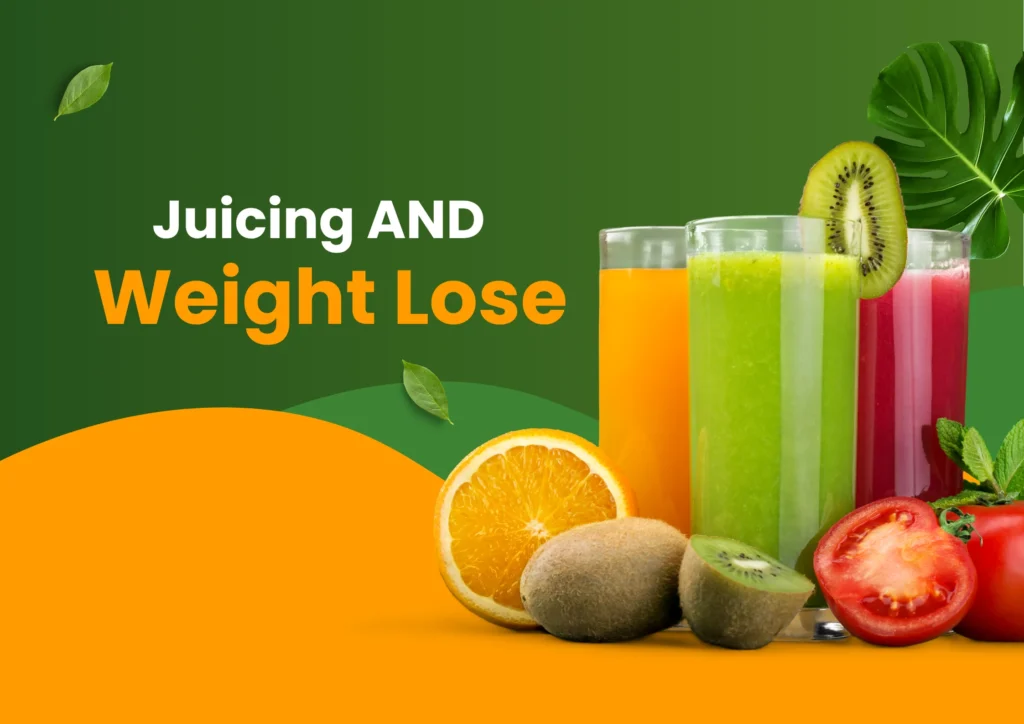
Juicing does not burn fat on its own. No drink, however green, melts weight off your belly or any other spot.
What juice can do is smaller. It can replace higher-calorie drinks, and it can add more vegetables to your day. Used that way, it may support weight loss. Treated as a crash diet, it usually backfires.
This article explains how juice fits into weight loss. It also compares juice with whole fruit and smoothies, using real numbers, and covers the risks of cleanses.
The Short Answer
Juice helps only when it replaces something worse. Swapping a can of cola for a small vegetable juice saves roughly 70 calories. Do that every day and it adds up to about 500 calories a week.
Weight loss still depends on a steady calorie deficit. Juice can support that deficit. It cannot create it alone.
Juice, Whole Fruit, and Smoothies Compared
The table shows why form matters. Values are approximate and vary by brand and recipe. Check USDA FoodData Central or our Food Calories Calculator for exact figures.
| Drink or food | Serving | Calories (approx.) | Sugar (approx.) | Fiber (approx.) |
|---|---|---|---|---|
| Cola | 12 oz can (355 ml) | 140 kcal | 39 g | 0 g |
| Apple juice, unsweetened | 1 cup | 115 kcal | 24 g | 0.5 g |
| Whole apple | 1 medium | 95 kcal | 19 g | 4.4 g |
| Orange juice | 1 cup | 110 kcal | 21 g | 0.5 g |
| Whole orange | 1 medium | 60 kcal | 12 g | 3 g |
| Banana, spinach, and yogurt smoothie | 1 glass | 190 kcal | 22 g | 4 g |
| Green vegetable juice (recipe below) | about 1.5 cups | 70 kcal | 9 g | 1 g |
A cup of orange juice has close to double the sugar of a whole orange. It also has far less fiber. Apple juice shows the same pattern. Cola has the most sugar here and no nutrients to offset it.
Green vegetable juice is the lightest option. It has about half the calories of cola and a fraction of the sugar.
The Fiber Problem
Fiber is the main reason whole produce beats juice. It slows digestion, keeps you full, and steadies blood sugar. Juicing removes most of it.
What remains is a concentrated liquid that your body absorbs quickly. Sugar from fruit juice reaches your blood faster than sugar from whole fruit. Liquid calories also fill you up less than solid food. That makes it easy to drink a lot without noticing.
Keep fruit to a small share of any juice. Treat it as an addition to meals, not a replacement.
Juicing vs Blending
Blending keeps the whole fruit or vegetable, fiber included. Juicing throws the pulp away. That is why a smoothie usually fills you up more than a juice made from the same ingredients.
A smoothie of one banana, one cup of spinach, and half a cup of plain yogurt has about 190 calories and 4 grams of fiber. It works well as a light breakfast or snack. Juice suits a lighter sip alongside a meal.
Cost matters too. A blender is cheaper and wastes no produce. A juicer costs more and leaves a pile of pulp. You can stir that pulp into soups or muffins.
Juice Cleanses and Fasts
A juice cleanse means living on juice alone for days. It is a crash diet with a healthy label.
Weight does drop, because you eat very little. Much of the early loss is water and some muscle, not fat. Losing muscle can lower the calories you burn at rest. That is one reason weight often returns quickly once normal eating resumes.
There is no good evidence that cleanses detox the body. Your liver and kidneys already do that job.
Cleanses also carry real risks. Very low protein and calorie intake can cause fatigue, weakness, and dizziness. Ending a long period of very low intake too fast can trigger refeeding syndrome, a serious medical problem. Extreme restriction can also feed unhealthy eating patterns. If you have a history of disordered eating, avoid cleanses completely.
Other Risks to Know
Spinach, kale, and beet greens are high in oxalates. Juicing them heavily every day may raise kidney stone risk in people who are already prone to stones.
Grapefruit juice can interfere with some medications, including certain statins. Ask your pharmacist if you take regular medicines.
Unpasteurized juice can carry harmful bacteria. Pregnant women, young children, older adults, and people with weak immune systems should choose pasteurized juice.
Juice also contains sugar that can raise blood glucose quickly. People with diabetes should check with their doctor first.
Simple Juice Recipes
These recipes keep vegetables first and fruit minimal. Calories are approximate.
For a green juice, juice one cucumber, two celery stalks, one cup of spinach, half a lemon, and a thumb-sized piece of ginger. It makes about 1.5 cups and has roughly 70 calories.
For a sweeter option, juice two medium beets and two carrots. This makes about two small glasses, with around 135 calories in total. The beets add natural sweetness, so no fruit is needed.
How to Use Juice Without Overdoing It
Use juice to replace something worse, not to replace meals. Swap an afternoon soda for a small vegetable juice. Drink a glass before dinner instead of snacking on bread. Keep servings to about one cup.
A few times a week is plenty, and daily is fine if you still eat real meals. Rotate your vegetables so you do not rely on one kind.
Expect gradual results. Cutting sugary drinks may help you feel better within days. Visible body changes take weeks of steady habits, including enough protein, sleep, and regular movement.
Read labels on bottled juice. Many bottles contain mostly fruit juice and added sugar. Choose vegetable-forward options with no added sugar.
Who Should Be Careful
Check with a doctor before making juice a regular habit if you are pregnant, have diabetes, or are prone to kidney stones. The same applies if you take regular medication. Children and anyone with a weak immune system should only have pasteurized juice. Anyone with a history of disordered eating should avoid cleanses and juice fasting.
Frequently Asked Questions
Does juicing help you lose weight?
Not on its own. It helps only when it replaces higher-calorie drinks or adds vegetables to your day. Weight loss still needs a calorie deficit.
Is juicing or blending better for weight loss?
Blending is usually better for fullness because it keeps the fiber. Juicing suits a light drink alongside meals.
Are juice cleanses safe?
Most dietitians advise against multi-day juice-only diets. Most of the weight lost is water and some muscle, and the weight often returns.
How much juice should I drink a day?
About one cup is a sensible amount, mostly from vegetables. Treat it as a small addition to meals.
What are the risks of juicing every day?
Heavy use of high-oxalate greens may raise kidney stone risk in prone people. Daily juice can also crowd out fiber and protein from whole foods.
Track Your Calories While Juicing
Juice works best inside a calorie-aware plan. Use our Calorie Calculator to find your daily needs. Then look up individual foods with the Food Calories Calculator.
References
- USDA FoodData Central. U.S. Department of Agriculture.
- U.S. Food and Drug Administration. “Grapefruit Juice and Some Drugs Don’t Mix.”
- U.S. Food and Drug Administration. Juice safety guidance for consumers.
- National Institute of Diabetes and Digestive and Kidney Diseases. “Eating, Diet, & Nutrition for Kidney Stones.”
- Dietary Guidelines for Americans, 2020–2025. U.S. Department of Agriculture and U.S. Department of Health and Human Services.
Disclaimer: This article is for general information only and is not medical advice. Please consult a doctor or dietitian before changing your diet.