How to Gain Weight Fast: Tips That Actually Work
If you want to know how to gain weight fast, the most reliable way is to eat 300 to 500 calories above your maintenance number every day, get enough protein at every meal, and lift weights two or three times a week. That combination adds muscle instead of just fat. You can eat more to go faster, but the quicker you go, the more of the gain tends to be fat.
Start with the numbers
Gaining weight requires a calorie surplus, which means eating more than your body burns in a day. Use our Maintenance Calories Calculator to find your baseline, then add 300 to 500 calories for steady progress.
Treat the result as a working estimate. Real metabolism can sit a few hundred calories off in either direction. Tracking your intake for a week or two is usually enough to calibrate, and after that most people can eat by feel.
How fast can you gain weight safely?
A surplus of about 500 calories a day works out to roughly half a kilo (1 lb) a week at best. Muscle is slower. Beginners can often build around half a kilo to a kilo of muscle a month with good training and food, and the rate drops with experience. If the scale climbs much faster than that, a large share is usually fat, and sometimes water.
A sample day of eating
This example adds up to roughly 3,000 calories. It shows what a high-calorie day looks like in real food, so scale the portions to your own target.
| Meal | What to eat | Approx. calories |
|---|---|---|
| Breakfast | ½ cup (40 g) dry oats cooked in 1 cup whole milk, 1 banana, 1 tablespoon almond butter, 2 eggs | about 640 |
| Snack | 170 g full-fat Greek yogurt, 1 ounce almonds, 2 dates | about 460 |
| Lunch | 6 ounces cooked chicken, 1½ cups cooked white rice, half an avocado, 1 tablespoon olive oil | about 870 |
| Snack | Shake with 1 scoop whey, 1 cup whole milk, 1 banana, 1 tablespoon peanut butter | about 470 |
| Dinner | 6 ounces cooked salmon, 1 large sweet potato, vegetables cooked in olive oil | about 650 |
Protein: the building block
The FDA’s general reference of 50 grams a day is a floor for the average adult, not a target for someone building muscle. Many people who lift regularly aim for around 1.6 grams per kilogram of body weight or a little more. Research is consistent that resistance training plus enough protein builds more muscle than training alone, and muscle rather than generic weight is the real goal for most readers.
Good sources don’t need to be exotic:
- Red meat: a cooked 6 ounce (170 g) steak gives roughly 40 to 50 grams of protein and plenty of leucine, an amino acid that helps trigger muscle growth.
- Fatty fish: salmon adds omega-3 fats on top of the protein.
- Eggs: cheap, easy, and one of the richest sources of choline.
- Protein powders: whey, soy, and pea all work depending on your diet. See our guide to using protein shakes for healthy weight gain.
One catch: protein is the most filling nutrient, so a very high-protein meal can kill your appetite early. Liquid protein, like a shake, is easier to get down than a full plate. Read the label on protein bars too, since some carry as much sugar as a candy bar.
Carbohydrates: cheap, easy calories
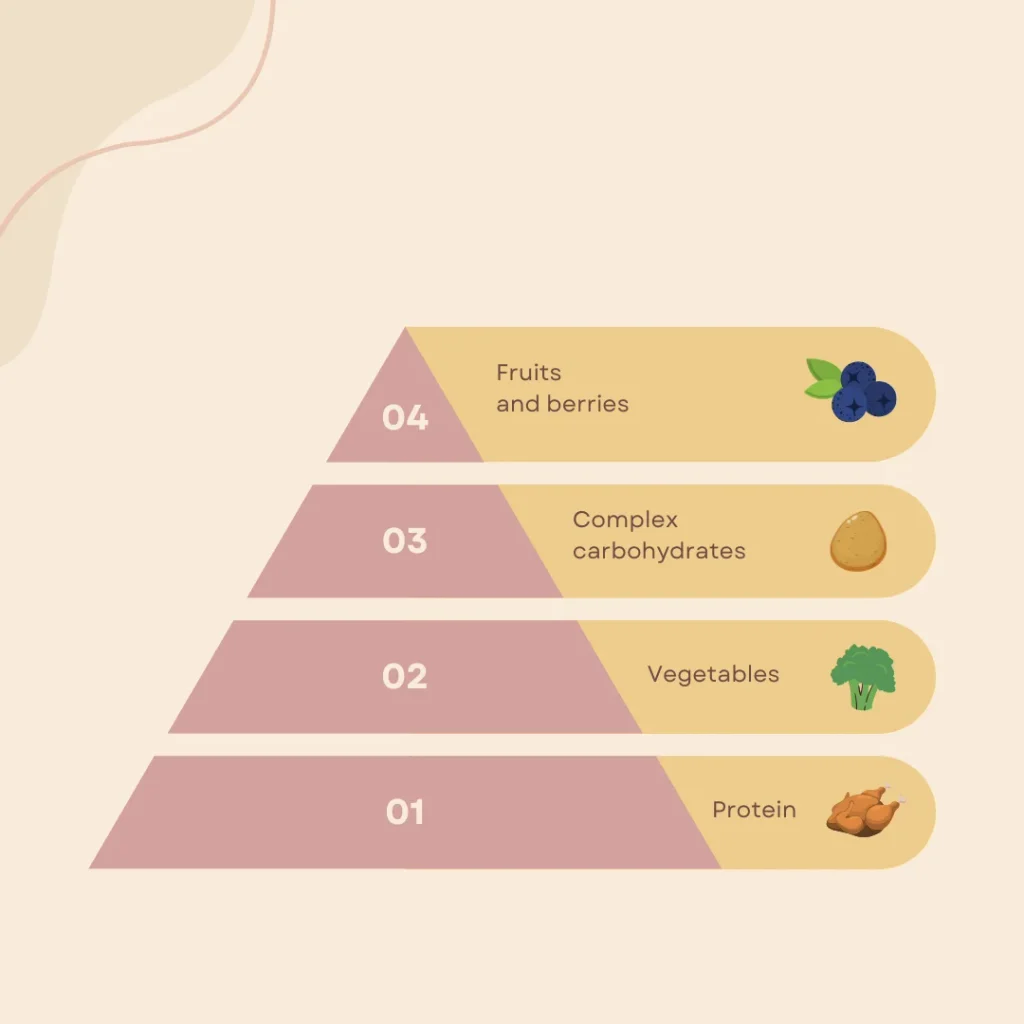
Carbs have an undeserved bad reputation. For someone gaining weight, they are the most efficient calorie source on the plate, and most guidelines suggest 45 to 65 percent of daily calories. Oats, bananas, sweet potatoes, and quinoa all fit easily.
Rice is a great anchor food because it takes on almost any topping. A 158 g serving of cooked white rice has about 204 calories and 44 g of carbohydrate with almost no fat. Brown rice adds more fiber, at about 123 calories per 100 g.
At breakfast, whole grain bread with nut butter or mashed avocado takes two minutes. Oatmeal cooked in whole milk instead of water, topped with fruit, adds a meaningful block of calories to an otherwise light meal. Check cereal labels, because some “whole grain” brands hide a lot of added sugar.
Potatoes, beans, chickpeas, and other starchy foods round things out. Your body stores their carbohydrate as glycogen in muscle, which is the fuel you actually use when lifting.
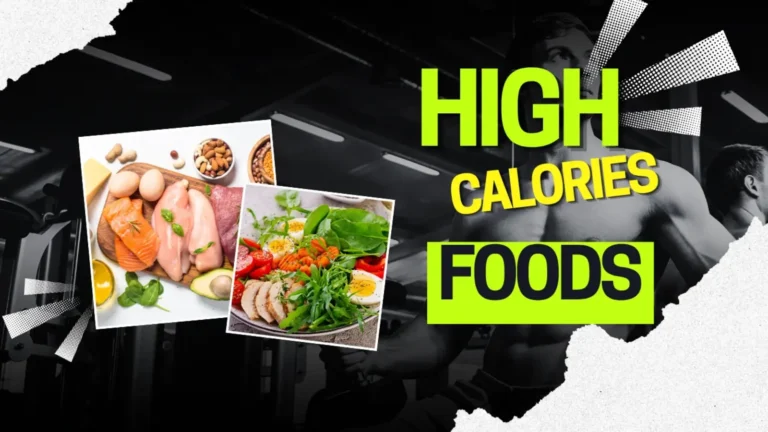
Calorie-dense foods worth building meals around
| Food | Serving | Approx. calories |
|---|---|---|
| Avocado | 1 whole (about 200 g) | 320 |
| Almonds | 1 ounce (about 23 nuts) | 165 |
| Olive oil | 1 tablespoon | 120 |
| Almond butter | 1 tablespoon | 98 |
| Whole milk | 1 cup | 150 |
| Full-fat Greek yogurt | 170 g | 165 |
| Medjool dates | 1 date | 66 |
| Cooked white rice | 158 g | 204 |
For a longer list, see our guide to high calorie foods for weight gain. A few of these deserve a closer look.
Avocado brings around 29 g of mostly unsaturated fat and 13 g of fiber, plus folate and potassium. Mash it into a sandwich or blend it into a smoothie and the calories come almost for free.
Salmon gives about 350 to 370 calories and 39 to 46 g of protein per 6 ounce fillet, and it supports heart and brain health at the same time.
Nuts add up fast. Two handfuls of almonds a day can add several hundred calories without feeling like overeating.
Dairy is a strong choice because milk combines casein, whey, carbs, and calcium. Cheese adds calories quickly but watch the saturated fat and sodium. Full-fat Greek yogurt is a good middle ground, with about 15 g of protein per 170 g serving.
Oils and nut butters add calories without adding volume, which helps on days when your appetite is low.
Dates and dark chocolate (70% cacao or higher) sweeten oatmeal or yogurt and add easy extra calories.
Habits that make a surplus easier
Drink most of your fluids between meals so water doesn’t take up space you need for food. Spread your eating over five or six smaller meals if three big ones feel like too much. Add calories you barely notice, like olive oil on vegetables or nut butter on toast. And season your food well, because food that tastes good is easier to finish.
Adding muscle without overeating

Resistance training, whether bodyweight or free weights, is what pushes your body to build muscle instead of just storing fat. Pair it with higher protein and the effect gets stronger. If you’re new to lifting, a session or two with a trainer can save you from form mistakes, and anyone with joint problems or a medical condition should check with a doctor first.
Special situations
Pregnancy: calorie and protein needs rise, often to somewhere between 2,200 and 2,900 calories a day depending on trimester and starting weight. Always follow your own doctor’s advice on how much to gain.
Toddlers: any diet change should start with the pediatrician. If more weight gain is appropriate, full-fat dairy and energy-dense foods like avocado and cheese pack calories into small portions.
Doing it the healthy way
The aim is to build muscle while keeping fat gain reasonable, not to add weight by any means possible. Excess body fat, especially around the midsection, raises the risk of type 2 diabetes even in people who aren’t overweight overall. Keep vegetables and fruit in your diet for their other benefits, but don’t load up on high-fiber foods right before a meal, since they can fill you up before you reach your calorie target.
For a plan built around macros, see the best way to gain weight with good macros, or read how to gain weight the healthy way for a slower, step-by-step approach.
The bottom line
Healthy weight gain comes from nutrient-dense food and muscle built over time, not a rushed few weeks of overeating. If a reasonable plan isn’t working, especially alongside unexplained weight loss, rule out a medical cause with a doctor first. A dietitian can also build a plan around your individual needs.
Disclaimer: This article is for general informational purposes only and is not medical advice. It should not replace consultation with a qualified doctor, dietitian, or healthcare provider. Nutrition needs vary, especially during pregnancy, childhood, or with an underlying medical condition. Speak with a healthcare professional before making significant changes to your diet.
Sources
- USDA FoodData Central (nutrition values for common foods)
- Dietary Guidelines for Americans (calorie and macronutrient ranges)
Frequently Asked Questions
Common questions about gaining weight fast.
Calculate Your Calorie Needs
Knowing your daily calorie target is the foundation of any weight gain plan. Use our free calculators to find your maintenance calories and look up the calorie content of individual foods.
Was This Article Helpful?
Your feedback helps us improve our content. This form is not connected to customer support — for questions, please visit our Contact Us page.



One Comment