What Can I Eat Before Bed to Lose Weight?
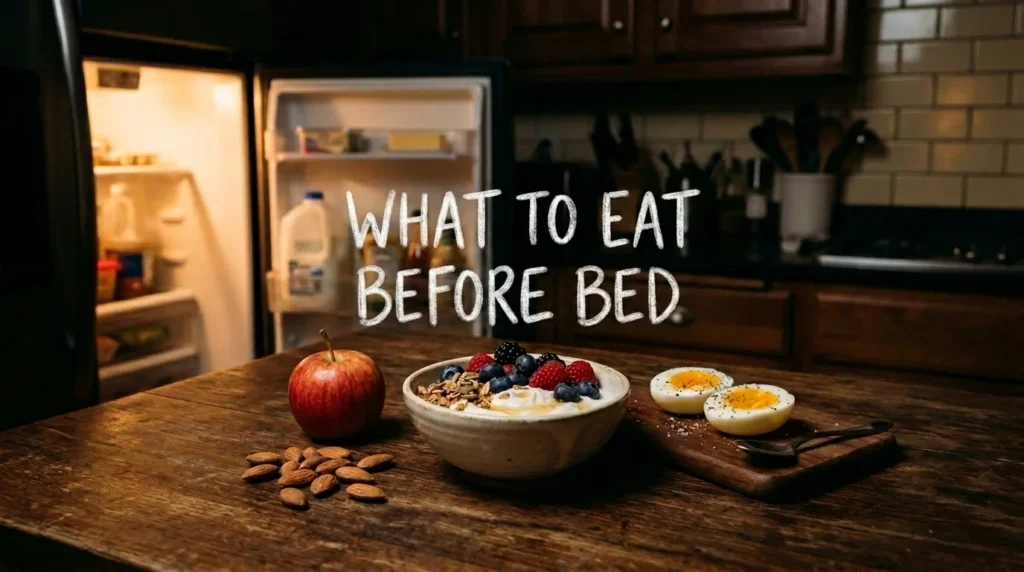
For years I believed the old rule that eating after 8 PM makes you fat. Then I noticed something odd. On nights I went to bed genuinely hungry, I woke up starving, skipped a proper breakfast and ended up overeating by lunchtime anyway. The problem was never the time on the clock. It was what I reached for when the craving hit.
So what can you eat before bed to lose weight? Pick one protein food and pair it with one fiber food, such as a boiled egg with a small apple or plain yogurt with berries, and keep the portion small, roughly 100 to 200 calories. The rest of this guide explains why that works, which foods fit, and what to avoid.
Why Late-Night Eating Gets a Bad Name
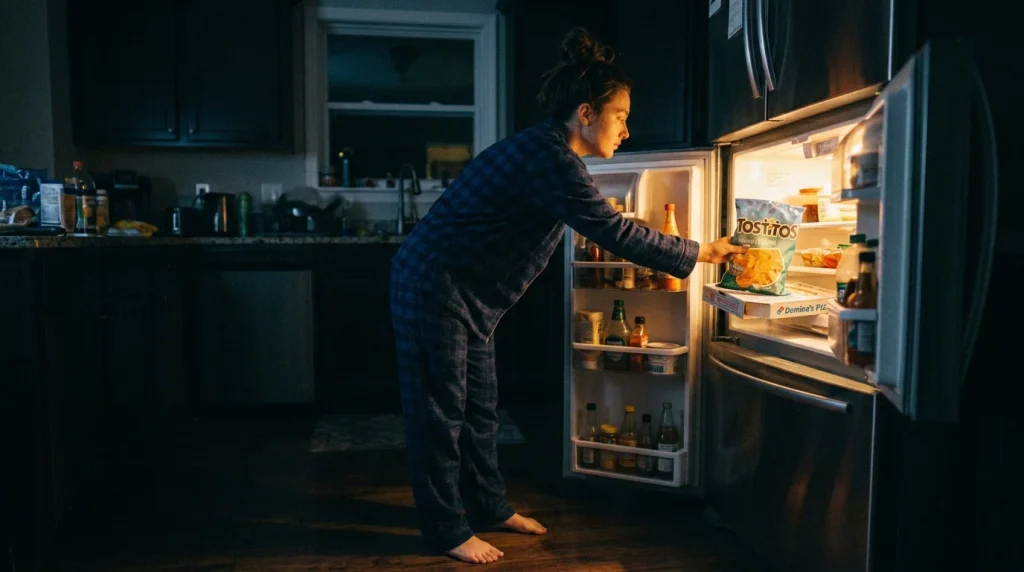
Late-night eating has earned some of its bad reputation, but not because eating late is harmful in itself. It is because of what most people eat late. Nobody raids the fridge at midnight for steamed broccoli. It is usually chips, ice cream or leftover pizza, driven by tiredness, boredom and stress rather than real hunger.
There may also be a small physiological effect, since some research suggests the body handles carbohydrates a little differently at different times of day. The effect appears modest and varies from person to person, so it is not a reason to fear every evening carb, but it does mean your choice matters more after dark.
Why Skipping Food Entirely Can Backfire
I used to think the disciplined move was to stop eating after dinner, full stop, and it backfired almost every time. Going to bed truly hungry rarely builds willpower. It tends to lead to restless sleep, and research links short or poor sleep with greater hunger and higher calorie intake the next day. The smarter approach is to choose something small and purposeful when hunger is real, instead of something random when boredom strikes.
It’s Never Really About the Clock
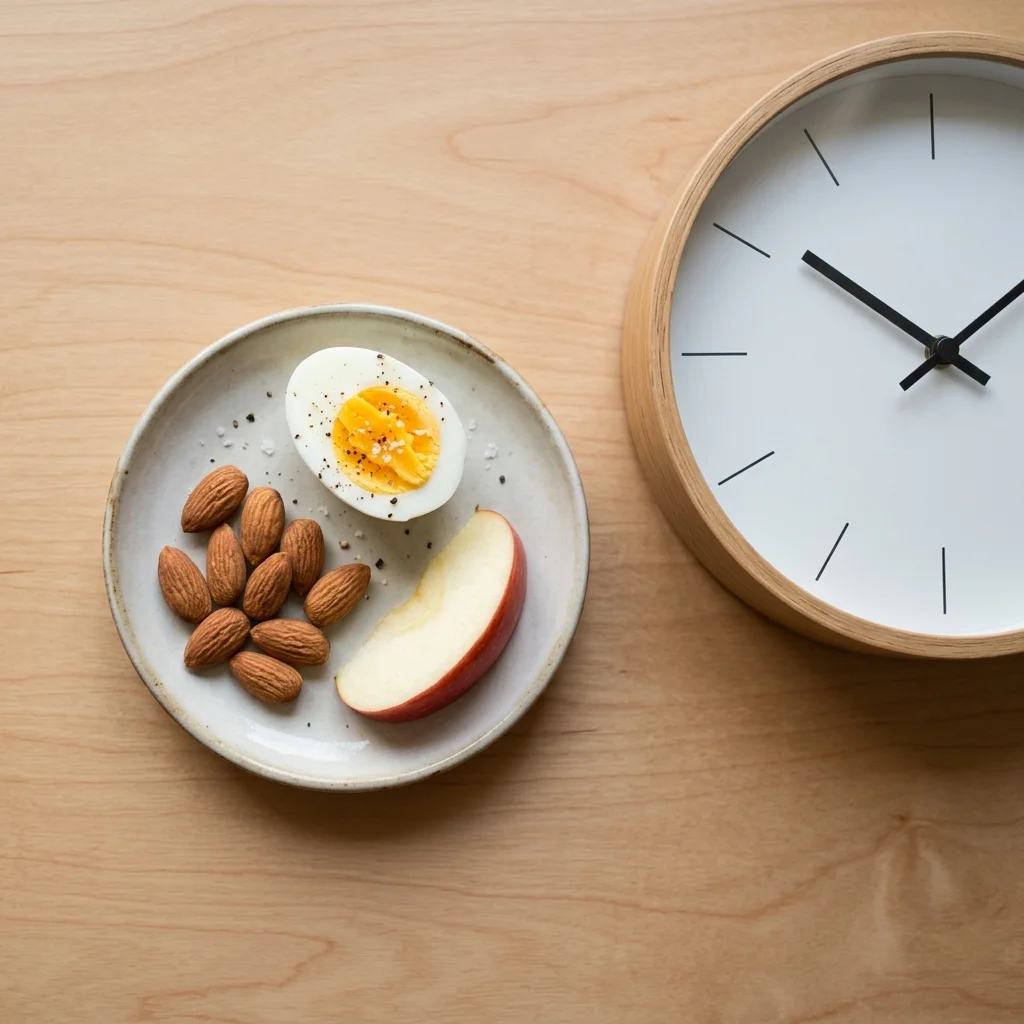
People often ask whether there is an hour after which eating stops being okay. For most people there is no meaningful cutoff. What matters is the gap between your last meal and how hungry you let yourself get before the next one. Dinner at 6 PM and bed at 9 PM is a different situation from dinner at 6 PM and bed at 1 AM. In the second case, you will probably need something in between.”
Watching your hunger instead of the clock removes most of the guilt people attach to eating late. If you are full from dinner and just craving something out of habit, skip it. If dinner was light, or it has been six hours or more, eat something small and move on.
How to Build a Smart Night Snack
The framework is simple: one food with some protein, paired with one food that has fiber. Protein slows digestion and blunts blood sugar spikes, and fiber adds bulk, so together they satisfy without turning into a second dinner.
These combinations all work, and none needs real preparation:
| Snack | Approx. calories |
|---|---|
| Boiled egg with a small apple | 150–170 |
| 1 slice of whole-grain toast with 1 tbsp nut butter | 160–190 |
| Plain yogurt (3/4 cup) with a handful of berries | 130–170 |
| Two boiled eggs with cherry tomatoes | 160–180 |
| Hummus (2 tbsp) with cucumber and carrot sticks | 90–110 |
| Rice cake with 1 tbsp peanut butter | 120–140 |
| Warm oats (3/4 cup cooked) with cinnamon | 120–160 |
These values are approximate and vary with brand and portion size, so check yours with our Food Calories Calculator and find your daily target with the Calorie Calculator.
Portion size matters as much as the food. A good rule of thumb is something you could finish in under five minutes, standing at the counter.
Foods Worth Keeping Stocked
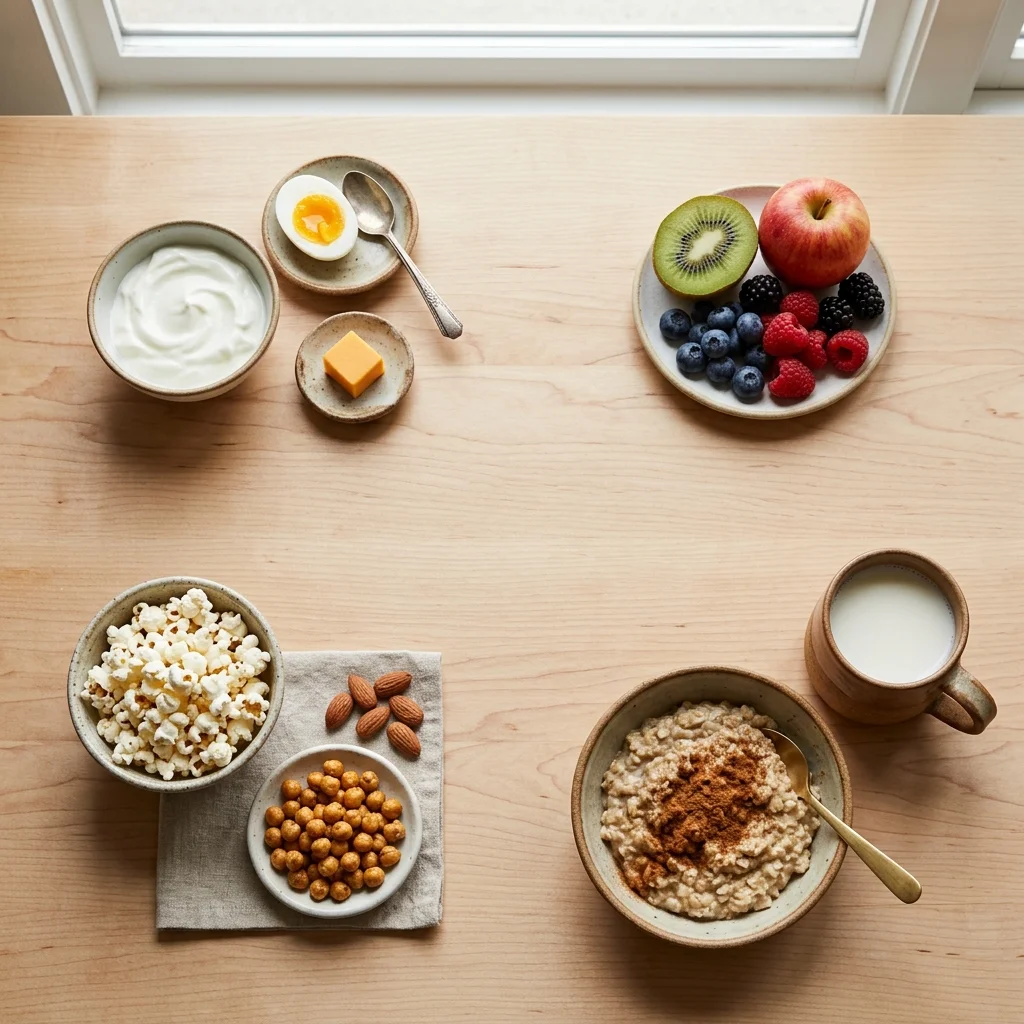
Think of this as a rotating cast of easy options, not a strict approved list. For protein, keep plain yogurt, cottage cheese and boiled eggs, which are easy to prepare in bulk. Good fruit choices are a kiwi, a small apple or a handful of berries, which tend to raise blood sugar less than a large bowl of grapes or a glass of juice. For crunch, try air-popped popcorn, roasted chickpeas or a small handful of nuts in a bowl, and for something warm, a small bowl of oats or a mug of warm milk with cinnamon.
For more ideas, see our list of 35+ low calorie foods for weight loss and our high-protein diet plan.
What Tends to Backfire After Dark
No food is evil, but a few categories make nighttime harder. Deep-fried and heavy, oily foods sit in your stomach longer, which can affect sleep. Alcohol may make you drowsy at first but can fragment sleep later in the night. Ultra-processed snacks are easy to overeat because they are often designed to be. One off night undoes nothing. It is the pattern over weeks that counts.
When to Be More Careful
“If you get acid reflux, lying down within two to three hours of eating can trigger nighttime symptoms, so leave that gap between your snack and bed, or keep the snack very light.” If you have diabetes or take medication that affects your blood sugar, ask your doctor what suits you before adding a nightly snack. And if night eating feels out of control or comes with guilt and bingeing, speak to a doctor or registered dietitian instead of trying to fix it with willpower alone.
A Simple Weekly Snack Plan to Steal
If you would rather not decide every night, a loose rotation removes the decision fatigue that usually leads to grabbing whatever is fastest. Swap days around based on what is on sale or what you are craving.
| Day | Snack |
|---|---|
| Sunday / Monday | Plain yogurt with berries, prepped in small containers on Sunday |
| Tuesday | Rice cake with peanut butter |
| Wednesday | Two boiled eggs, batch-prepped over the weekend |
| Thursday | Warm oats with cinnamon |
| Friday | Hummus with cucumber and carrot sticks |
| Saturday | Whatever is left from earlier in the week |
The Mindset Shift That Actually Helps
The biggest change is not a specific food. It is pausing long enough to ask whether you are actually hungry, or just tired, bored or stressed. That ten-second pause in front of the fridge does more for weight management than any snack on this list.
Eating at night is not the enemy. Choose something that works with your body, and do not treat one snack like a moral failure. For more ways to raise your daily burn, read our guide on how to burn calories without exercise, and see the 1300 calorie diet plan for how snacks fit into a full day.
Disclaimer: This article is for general information only and is not a substitute for advice from a doctor or registered dietitian. Nutritional needs differ from person to person depending on health history, activity level and other factors. If you have a medical condition, are pregnant or take medication, check with a professional before changing your diet.
Frequently Asked Questions
Take Control of Your Daily Nutrition
Find your daily calorie needs and check your meals with our free nutrition calculators.