Best Workout for Weight Loss: Complete Guide 2026
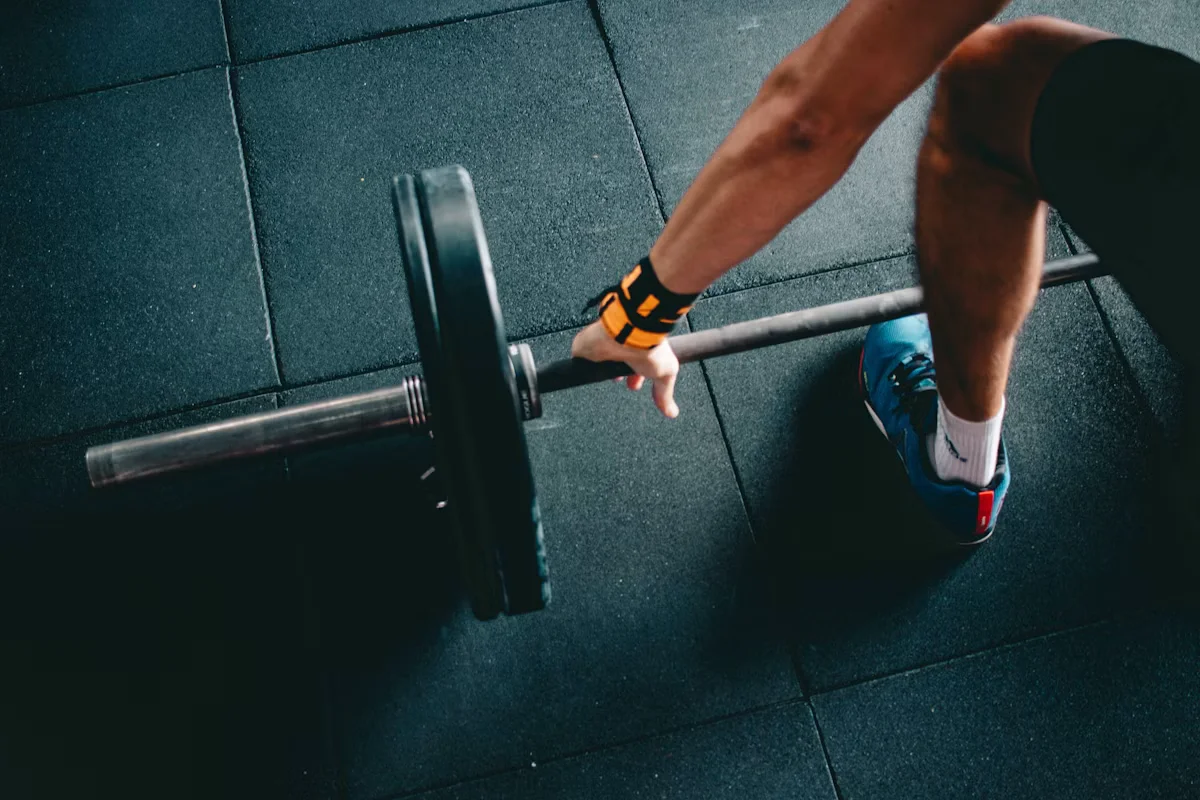
Diet gets most of the credit when people talk about weight loss, but the workout you pick matters just as much. Exercise regularly and your metabolism picks up the pace, fat burns off more efficiently, muscle tone improves, and honestly, everyday tasks start feeling easier too. This guide walks through the workouts that actually move the needle, plus the habits that make any of them pay off.
There’s no single “magic” workout here. Results come from a mix of consistency, decent food choices, and enough rest to recover. Let’s get into it.
1. Brisk Walking
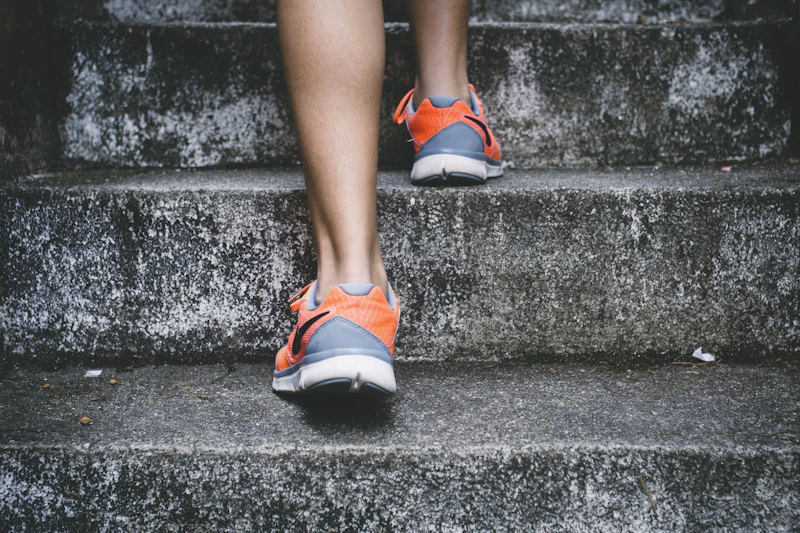
If you’re just starting out, or your joints aren’t up for anything intense, walking is the safest place to begin. No equipment needed, just a park, a treadmill, or your own street works fine.
Benefits
- Barely any strain on your joints
- 30-45 minutes a day is enough to see results
- Good for your heart
- Helps clear your head and lowers stress
How to do it
Walk briskly for 30-45 minutes, morning or evening, your pick. The pace should leave you a little out of breath, but you should still be able to hold a conversation without gasping for air.

2. HIIT (High Intensity Interval Training)
Short on time but still want fast results? HIIT is built for that. You go hard for a short burst, rest briefly, then repeat the cycle.
Benefits
- Burns more calories in less time
- Your body keeps burning extra calories for hours afterward (the afterburn effect)
- Helps you lose fat while holding onto muscle
Sample HIIT routine (20 minutes)
Jumping jacks for 30 seconds
30-second rest
Squats for 30 seconds
30-second rest
Mountain climbers for 30 seconds
30-second rest, then start over
Repeat the full cycle 4-5 times.

3. Jump Rope
It sounds like a playground activity, but jump rope is one of the most underrated calorie-burners out there. All you need is a rope, and you can do it pretty much anywhere.
Benefits
- Burns a surprising number of calories in one session
- Works your legs, arms, and core all at once
- Sharpens coordination and stamina
- Cheap, portable equipment
How to do it
Start with one minute of jumping, rest 30 seconds, and keep that cycle going for 10-15 minutes total. Add more time as it starts feeling easier.

4. Cycling
Whether it’s outdoors or on a stationary bike, cycling is easy on the joints and genuinely enjoyable once you find a rhythm. It’s a solid pick if running has never appealed to you or your knees complain about pavement.
Benefits
- Builds strength and endurance in your legs
- Solid boost to cardiovascular fitness
- You can keep going for long stretches without it feeling brutal
- Low impact on the joints
How to do it
Aim for 30-45 minutes, four or five days a week. A gym bike works just as well if the weather or traffic outside isn’t cooperating.

5. Swimming
Water takes your body weight out of the equation, which makes swimming one of the gentlest full-body workouts around, and one of the most effective, since nearly every muscle group gets involved. That’s why it works so well for people dealing with joint or back issues.
Benefits
- Zero impact on the joints
- Tones arms, legs, core, and back together
- Burns a lot of energy per session
- Builds lung capacity and heart health
How to do it
Swim for 30-40 minutes, three to four times a week. Switching between freestyle and breaststroke keeps different muscles engaged.

6. Strength Training (Weight Lifting)
People tend to think of weightlifting as a “build muscle” thing rather than a “lose weight” thing, but that’s a mistake. Muscle burns calories even when you’re doing nothing, sitting on the couch, sleeping, whatever. More muscle mass means a higher resting metabolism, full stop.
Benefits
- Raises your metabolism long-term
- Shapes your body, not just shrinks it
- Strengthens bones
- Tends to produce results that stick better than cardio alone
How to do it
Three sessions a week covering squats, deadlifts, push-ups, and dumbbell work. If you’re new to it, start light and get your form right before adding weight.

Bonus Tips for Faster and Smarter Weight Loss
1. Don’t Ignore Your Diet
You can undo an hour of exercise with one bad meal. Exercise alone can’t fix a poor diet. Lean toward a balanced, protein-rich plate with plenty of vegetables and whole foods. Protein especially matters here, since it keeps you full longer and protects your muscle while you’re losing fat.
2. Drink More Water
Water plays a direct role in metabolism, digestion, and energy levels. Even mild dehydration can leave you tired and hurt your workout performance. Try to drink throughout the day rather than only when you’re thirsty, and make a point of it before and after exercise.
3. Get Enough Sleep
Sleep is when your body actually recovers and repairs itself. Skimp on it and your cortisol climbs, your hunger hormones spike, and you end up eating more without really meaning to. Seven to eight hours a night isn’t a luxury, it’s part of the training.
4. Stay Consistent
Fat loss happens gradually, through repeated effort over weeks and months, not from one intense session. Working out 4-5 times a week, every week, will always beat occasional extreme sessions followed by long breaks. That consistency is what turns exercise into a lifestyle instead of a temporary effort.
5. Track Your Progress Properly
The scale doesn’t tell the whole story. Water retention, muscle gain, and hormonal shifts all mess with that number. Track body measurements (waist, hips, arms), progress photos, and how your clothes fit instead. Those give a much truer picture of real fat loss.

6. Warm Up and Cool Down
Skipping your warm-up raises your injury risk because your muscles aren’t ready for sudden effort. Spend 5-10 minutes on light movement or dynamic stretches before you start, and static stretching afterward to improve flexibility and speed up recovery.
7. Mix Cardio and Strength Training
Cardio burns calories while you’re doing it; strength training keeps burning them after you’ve stopped. Put both together and you get faster fat loss plus a body that actually looks toned, not just smaller.
8. Set Realistic Goals
Losing weight too fast usually means losing water and muscle, not fat, and it rarely lasts. A safe, realistic target is 0.5-1 kg a week. That pace keeps your metabolism stable and makes it far more likely the weight stays off for good.
Want to set a realistic calorie target for your 0.5-1 kg/week goal? Our Calorie Calculator can work that out for you in seconds.
9. Avoid Overtraining
More exercise isn’t automatically better. Without proper rest, your muscles don’t get time to repair, and you end up more tired, less effective, and closer to injury, all of which slow your progress down. Give your body at least 1-2 rest days a week, especially after tough strength or HIIT sessions.
10. Find a Workout You Actually Enjoy
The “best” workout is the one you’ll actually stick to. Force yourself through running every day when you hate it, and you’ll probably quit within a few weeks. Try a few different things instead, dancing, swimming, cycling, sports, until something feels less like a chore and more like something you look forward to.
11. Use Progressive Overload
Your body adapts fast, and doing the same routine forever leads straight to a plateau. Keep improving by gradually adding more weight, more reps, more sets, or cutting your rest time between exercises.
12. Work Out at the Same Time Daily
Habits stick better when they’re tied to a fixed time and routine. Working out at the same slot each day, morning, evening, whenever suits you, removes the daily debate over whether to do it, and it just becomes part of your day instead of something you have to force.

Which Workout Is Best for You?
Tight on time? HIIT or jump rope get you the most in the least. Dealing with joint pain? Swimming or cycling are your friends. New to all of this? Start with brisk walking and build from there. And whatever cardio you pick, strength training belongs in the mix if you want results that actually last.

Conclusion
The weight loss journey can feel like a grind at times, but combine the right workout with consistent effort and decent food choices, and results follow. Every workout on this list has its own strengths. The real trick is picking one that fits your body, your fitness level, and your schedule, then turning it into a habit. Weight loss is a marathon, not a sprint, and patience is what actually gets you there.
Start Your Weight Loss Journey Today
Pair your workouts with the right nutrition plan and know your numbers first.
Disclaimer
This content is for general informational and educational purposes only and should not be considered medical advice. Please consult your doctor or a qualified healthcare professional before starting any new exercise or weight loss program, especially if you have any pre-existing health conditions. This information is not a substitute for professional medical diagnosis or treatment.