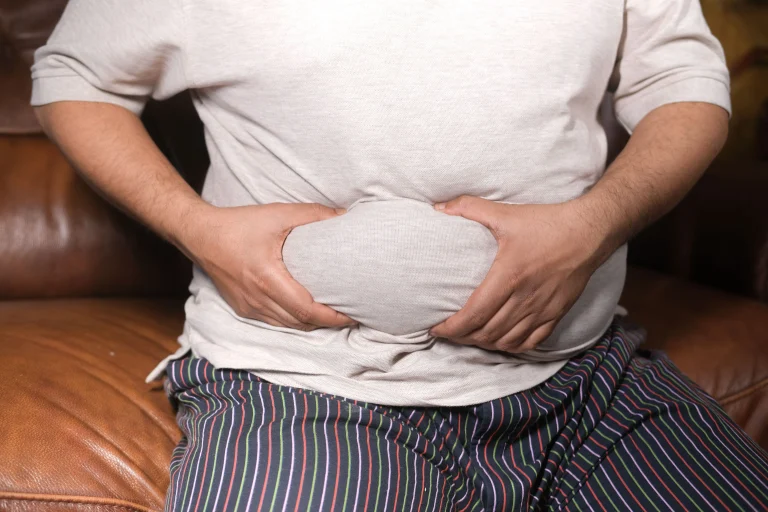
Does Diarrhea Make You Lose Weight? Explained

Have you ever had diarrhea and then noticed the number on the scale go down? You’re not imagining it. But before you think this is a good way to lose weight, it helps to know what’s really happening inside your body. Diarrhea can make the scale number drop, but what you’re losing is water, not fat. Here’s exactly why this happens, and why it’s not a safe or real way to lose weight.
What Happens to Your Body During Diarrhea
When you have diarrhea, food moves through your gut much faster than normal. Your large intestine doesn’t get enough time to soak up water from your waste like it usually does. So instead of solid stool, you pass loose, watery stool more often.
Every time this happens, your body loses essential fluids, including:
- Significant amounts of pure water
- Essential sodium minerals
- Vital potassium electrolytes
- Other critical minerals required for normal bodily functions
Since your body is about 60% water, even a small drop in fluid can change your weight by a kilogram or two in a day. Diarrhea speeds this process up significantly. In severe cases, you can lose several pounds of pure fluid in just 1-2 days, which explains why the scale drops so fast.
Why This Is NOT Real Weight Loss
There’s a major difference between losing fat and losing fluid:
- Fat loss happens gradually over time when your body burns stored energy through a healthy calorie deficit.
- Fluid loss, on the other hand, occurs rapidly and returns immediately once you rehydrate and your gut recovers.
Think of athletes who “cut weight” before a match by sweating heavily or restricting water. The scale number drops fast, but it returns within a day or two. Diarrhea affects your body the exact same way your actual fat remains unchanged, even though the scale temporarily shows a lower number.
Some people assume diarrhea means your body absorbs significantly fewer calories from food because digestion speeds up. This is true to a very small degree, but it’s a minor effect, and certainly not worth the severe health risks that come with it.
How Long Does This ‘Weight Loss’ Actually Last?
This is one of the most common follow-up questions, and the honest answer is: not long at all. Once your diarrhea stops and you start drinking water and eating normally again, your body typically restores its fluid balance within 24 to 72 hours. Most people see the scale number climb right back to where it was, and sometimes even slightly higher for a day or two as your body holds onto extra water while fully rehydrating.
That’s actually a healthy sign, not a setback. It means your body is doing exactly what it’s supposed to do replenishing lost water and restoring internal balance. If you find the number “bouncing back” discouraging, remember that this fluctuation was never fat loss in the first place. Your actual body composition never changed during the entire episode.
The Real Dangers of Losing Weight Through Diarrhea
A short case of mild diarrhea, such as from food poisoning, isn’t dangerous for a healthy adult. But using diarrhea intentionally or frequently as a weight loss method can seriously harm your body. Here’s how:
1. Dehydration
This is the biggest and fastest danger. Common signs of dehydration include:
- Persistent dizziness
- Extreme fatigue
- Severe headaches
- A dry mouth and throat
- Dark-colored urine
- A rapid heartbeat in serious cases
- Confusion in severe dehydration cases
Severe dehydration puts immense stress on your kidneys and heart, and it can turn dangerous very quickly particularly for children, older adults, or anyone with an underlying health condition.
2. Electrolyte Imbalance
Sodium and potassium are critical minerals that help your muscles, nerves, and heart function properly. Losing too much of them can trigger severe complications:
- Painful muscle cramps
- Generalized muscle weakness
- Irregular heart rhythms
- Life-threatening cardiovascular problems in severe cases
3. Poor Nutrient Absorption
If diarrhea happens frequently or lasts for an extended period, your body doesn’t get sufficient time to absorb essential vitamins and minerals from food. Over time, this leads to:
- Chronically low energy levels
- A weakened immune system
- Real and dangerous nutrient deficiencies
This is the exact opposite of what anyone striving for good health actually wants.
How to Recover Properly After a Bout of Diarrhea
If you’ve recently experienced diarrhea due to an illness, recovering properly matters far more than checking the scale. Here’s how to help your body bounce back safely:
- Rehydrate steadily sip water or an oral rehydration solution throughout the day rather than drinking a large amount all at once, which can be harder on your stomach.
- Replace electrolytes coconut water, broths, or oral rehydration salts help restore the sodium and potassium your body lost.
- Ease back into eating gradually bland, easy-to-digest foods like bananas, rice, applesauce, and toast are gentle on a recovering digestive system.
- Avoid dairy, caffeine, and very fatty or spicy foods for a day or two, since these can be harder to digest while your gut is still recovering.
- Prioritize rest your body uses energy to heal, so extra rest in the first day or two supports faster recovery.
- Watch for improvement , you should start feeling noticeably better within 24-48 hours; if not, it’s time to check in with a doctor.
A Serious Warning About Using Laxatives or Diarrhea to Lose Weight
It has to be said clearly: using laxatives, detox teas, or any method to induce diarrhea intentionally is not a safe way to lose weight. This behavior can often be a sign of disordered eating, which requires compassionate care and professional medical support.
Doing this regularly can lead to severe health consequences, including:
- Damaging your digestive system over time
- Making your bowel stop working normally on its own
- Worsening dehydration and electrolyte problems
- Creating a hard cycle that’s difficult to break alone
If you or someone you know is using laxatives or diarrhea to manage body weight, please consult a doctor or a mental health professional immediately. This is a serious health matter, not a diet strategy, and professional help is readily available.
When Should You See a Doctor?
Mild diarrhea from food poisoning or a stomach bug usually resolves on its own within a day or two. But you should seek medical attention promptly if you notice any of the following warning signs:
- Diarrhea lasting more than 2-3 days
- A high fever alongside it
- Blood in your stool
- Severe stomach pain
- Signs of serious dehydration, like dizziness or a fast heartbeat
Recurrent or chronic diarrhea could also point to an underlying medical condition, such as Irritable Bowel Syndrome (IBS) or a food intolerance. These conditions need proper medical evaluation, not a workaround for weight loss.
What Actually Works for Losing Weight the Healthy Way
Sustainable fat loss isn’t as rapid as fluid loss from an illness, but it’s safe, effective, and long-lasting. Here’s what actually drives healthy weight loss:
- Maintain a moderate calorie deficit , eat slightly less than what your body burns each day, consistently over time
- Know your real calorie needs , guessing often leads to eating too much or too little without realizing it
- Eat more protein and fiber , these help you stay full on fewer calories
- Move your body regularly , walking, strength training, or a mix of both supports fat loss and overall health
- Stay hydrated , drink water throughout the day, not just when thirsty
- Sleep enough , poor sleep messes with hunger hormones and makes healthy eating harder
- Manage stress , high stress can lead to overeating and slower progress
Quick Myth vs Fact Recap
Here’s a quick myth vs. fact recap to clear up any remaining confusion:
- Diarrhea helps you lose fat
- The weight loss from diarrhea is permanent
- Using laxatives is a safe shortcut to lose weight
- If the scale drops fast, it must be working
- Diarrhea causes water and electrolyte loss, not fat loss
- The weight typically returns within 1-3 days once you rehydrate
- Regular laxative use can seriously harm your digestive system and overall health
- Fast scale drops from illness or dehydration are not the same as real fat loss
The Bottom Line
While diarrhea can cause the scale number to drop quickly, what you’re losing is essential fluid and vital electrolytes, not body fat. That lost weight returns rapidly once your body rehydrates. Beyond being completely ineffective for fat loss, trying to cause diarrhea intentionally can harm your health through severe dehydration, mineral imbalances, and malnutrition.
If you experience persistent digestive issues, talk to a healthcare provider. If your primary goal is to lose body fat, the proven and safe method remains unchanged: maintain a moderate calorie deficit, stay physically active, prioritize quality sleep, and stay consistent. It takes time, but it delivers real, lasting results.
This article is for general information only and is not a replacement for medical advice. If you have ongoing digestive problems or are worried about disordered eating, please talk to a qualified healthcare provider.
Find Your Real, Personalized Calorie Target
Skip the shortcuts , get a number based on your actual body and goals.
Was This Article Helpful?
Your feedback helps us improve our content. This form is not connected to customer support for questions, please visit our Contact Us page.